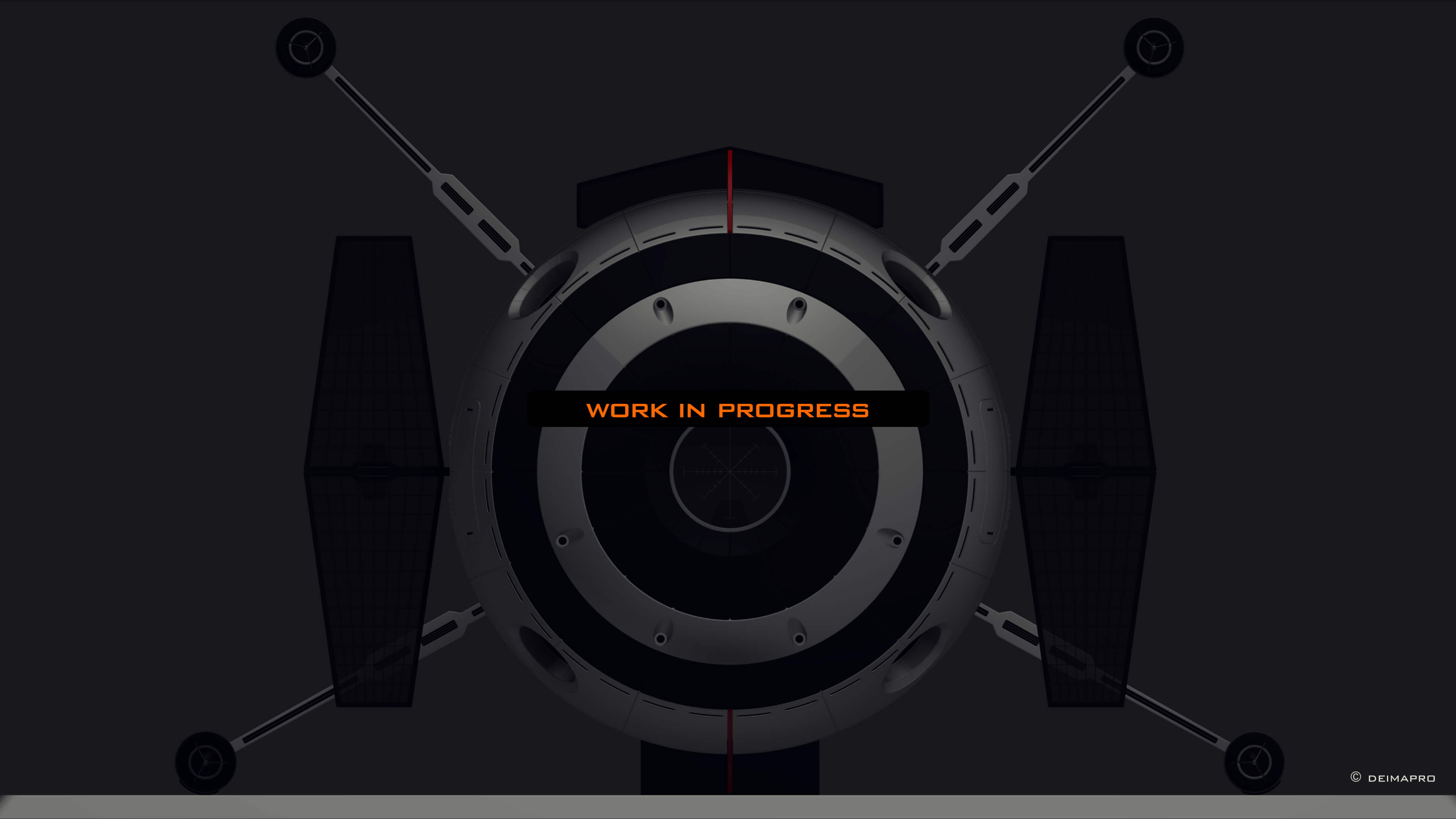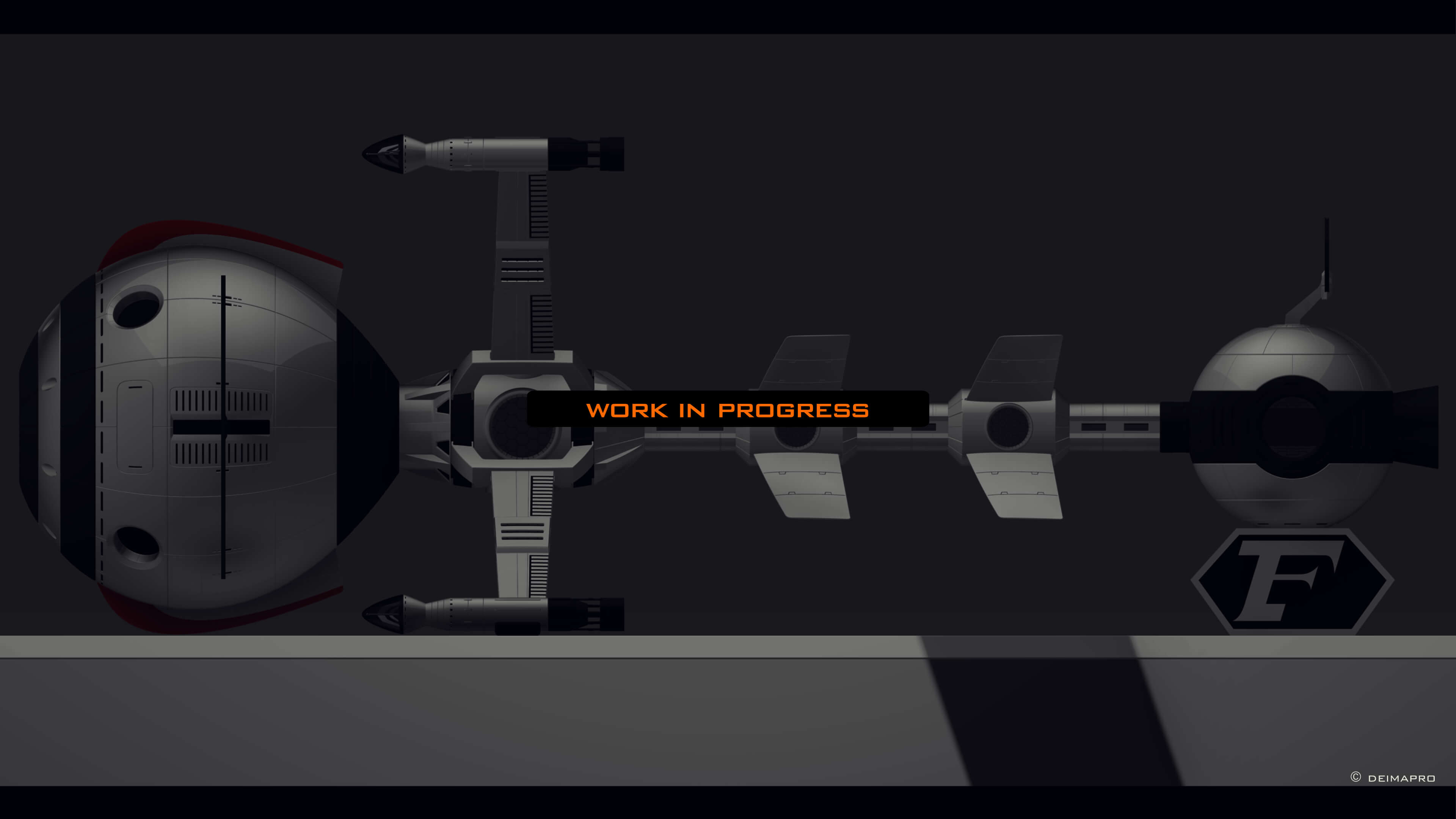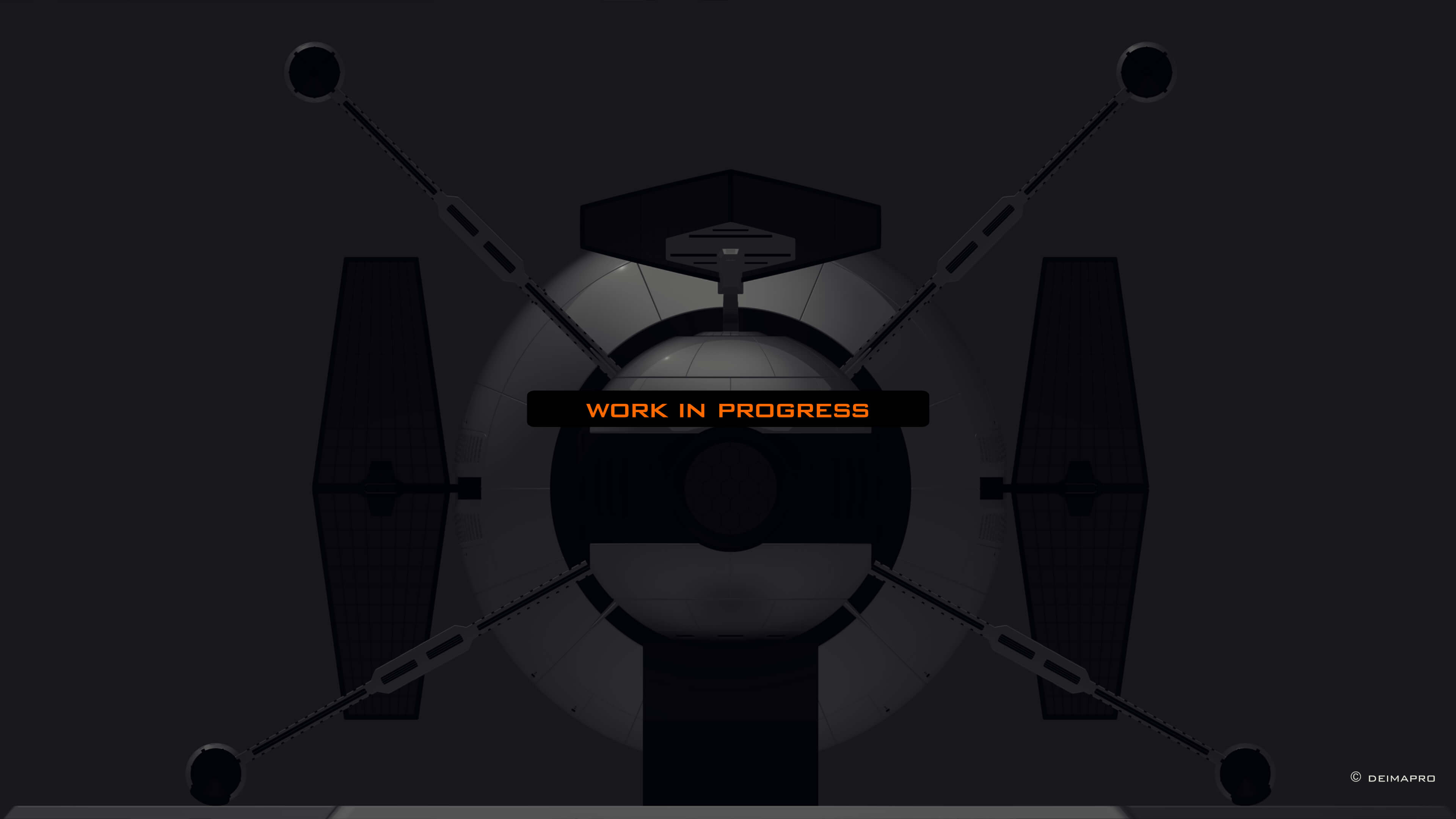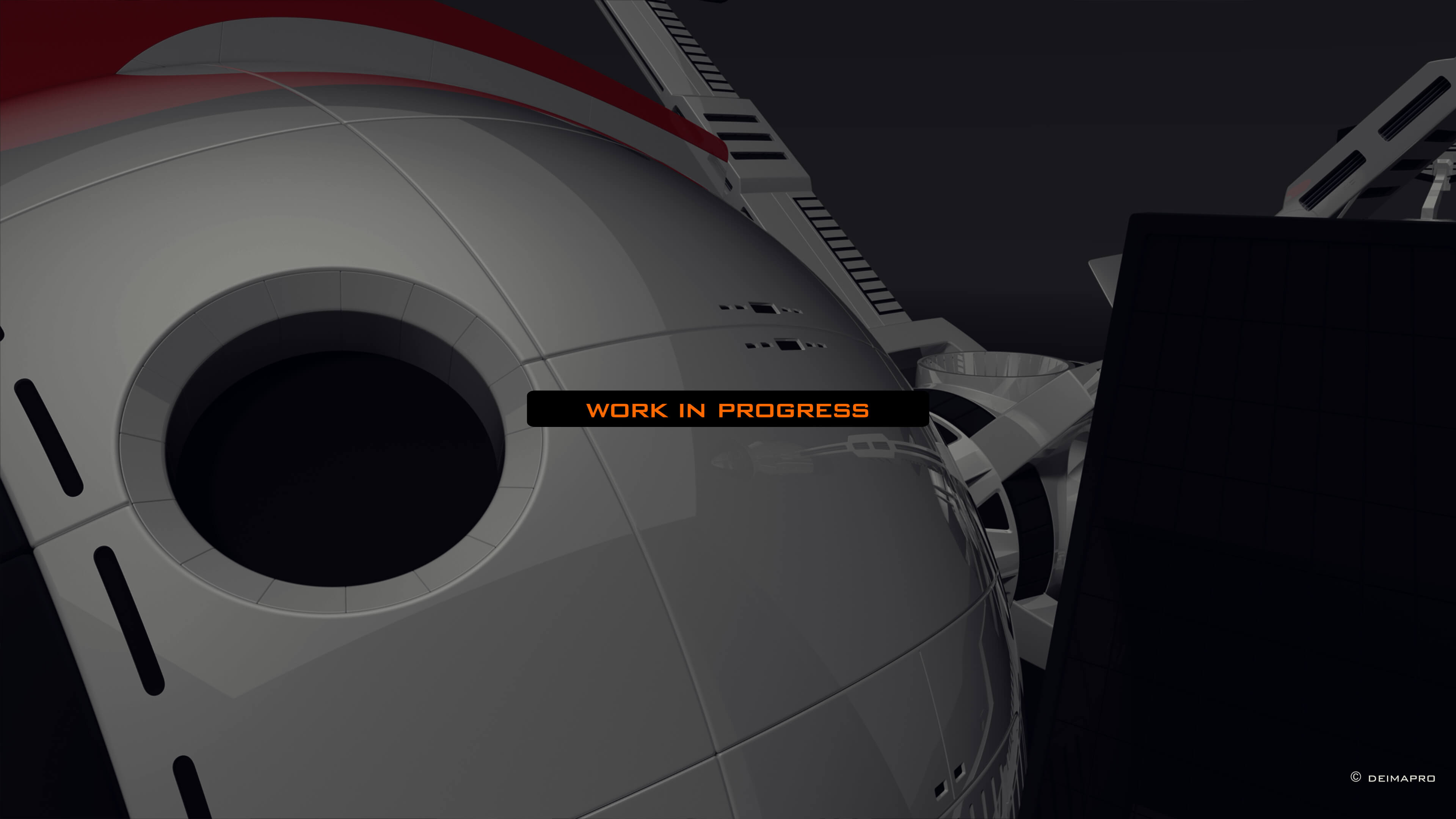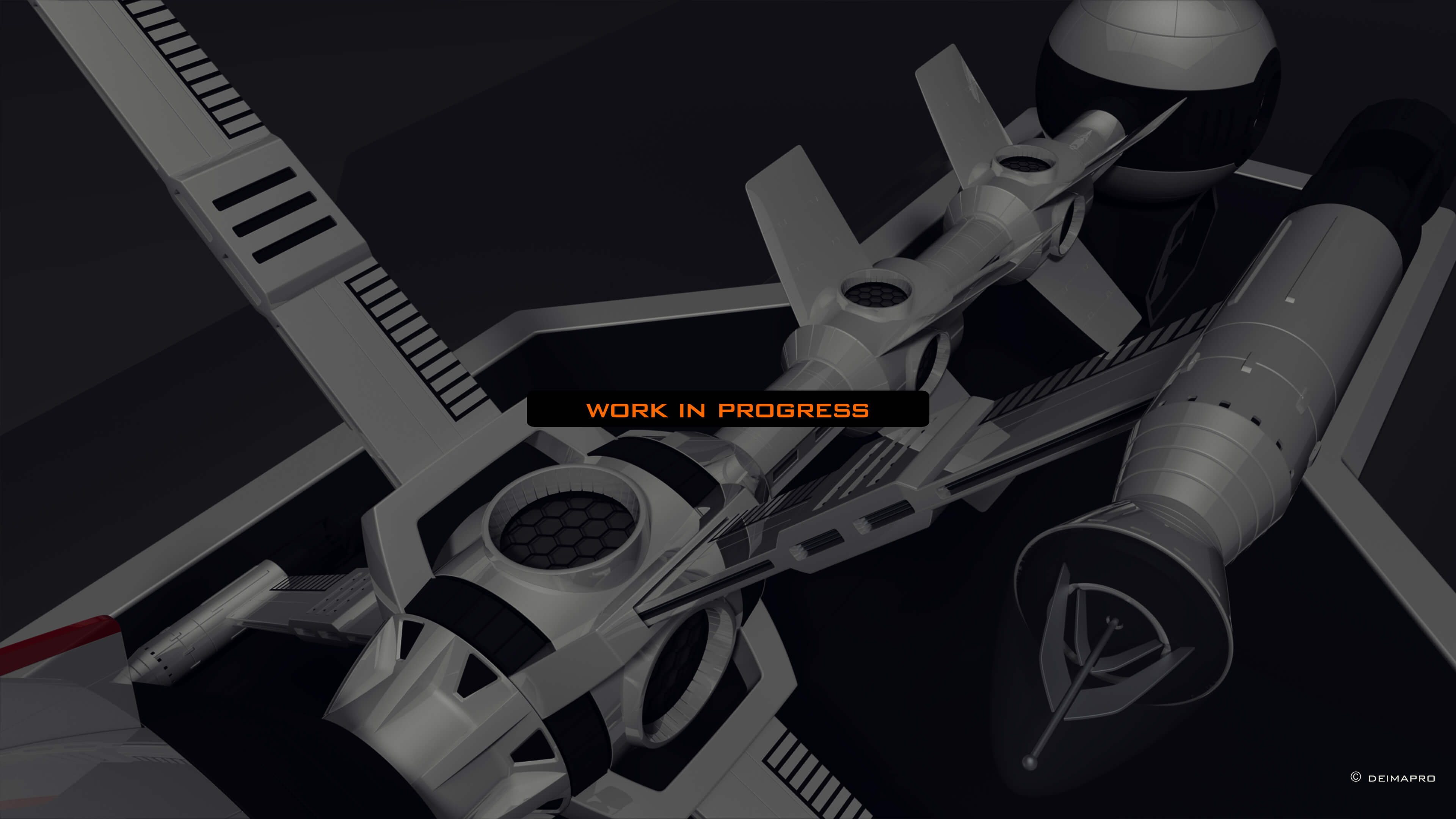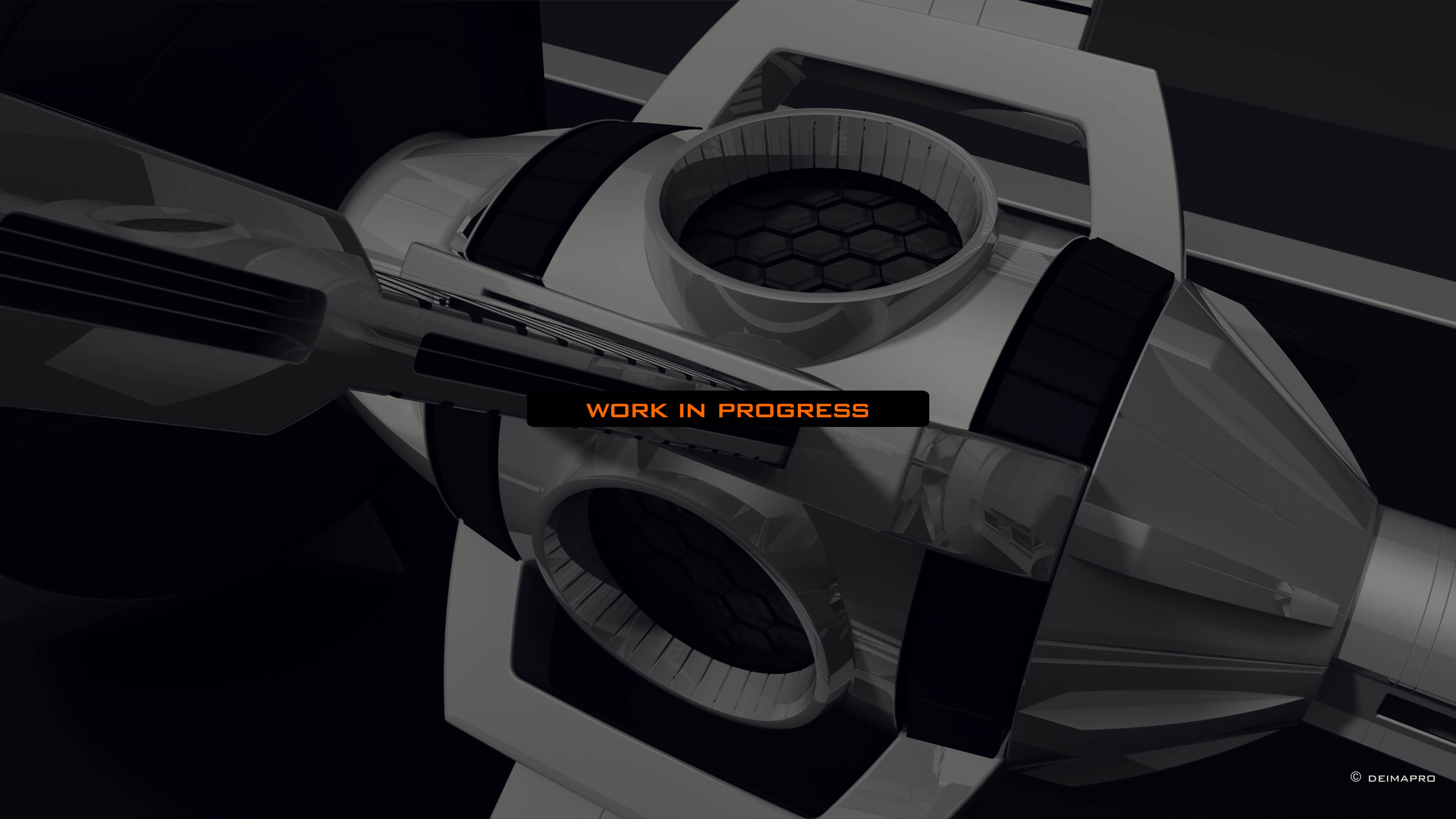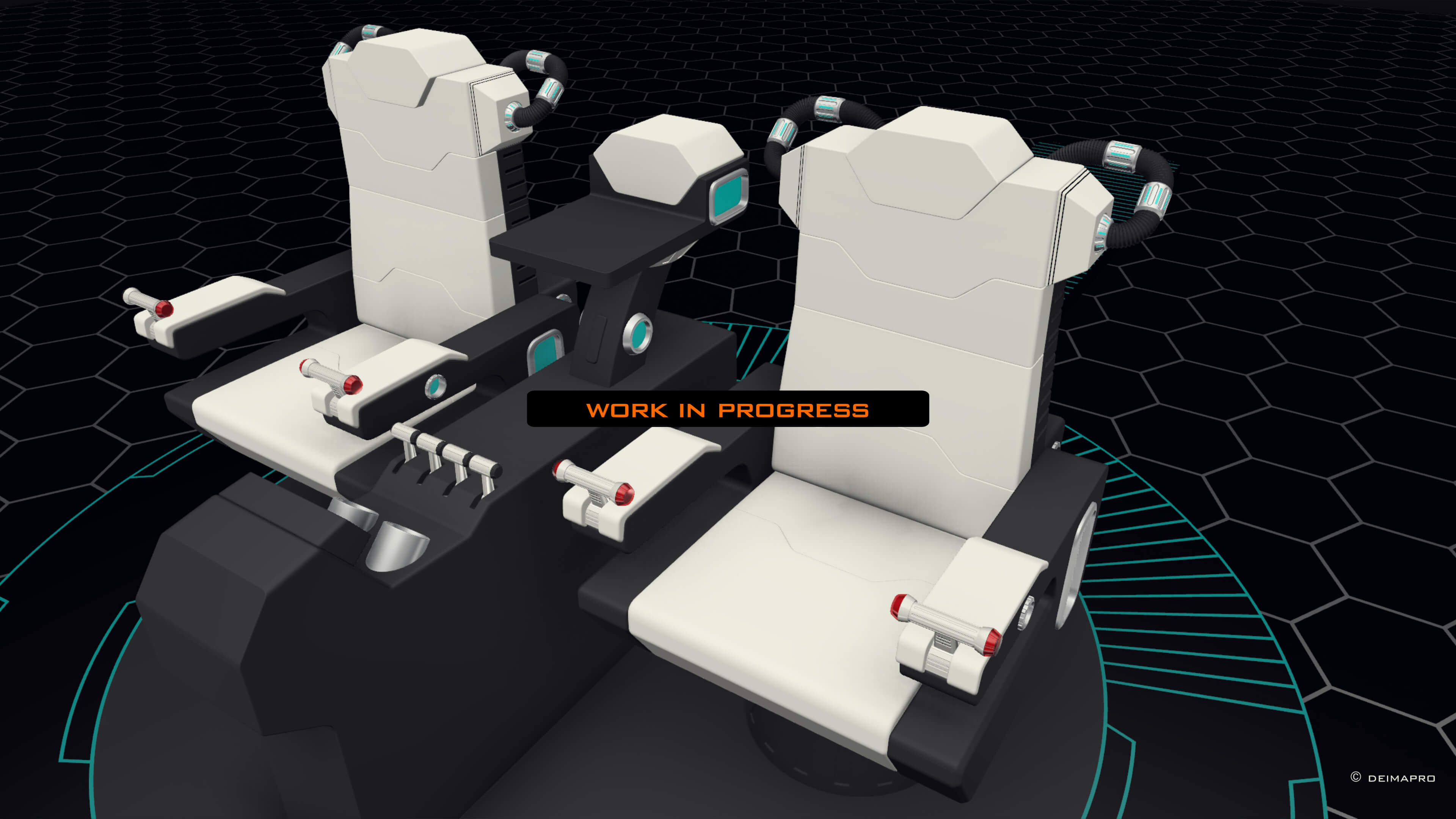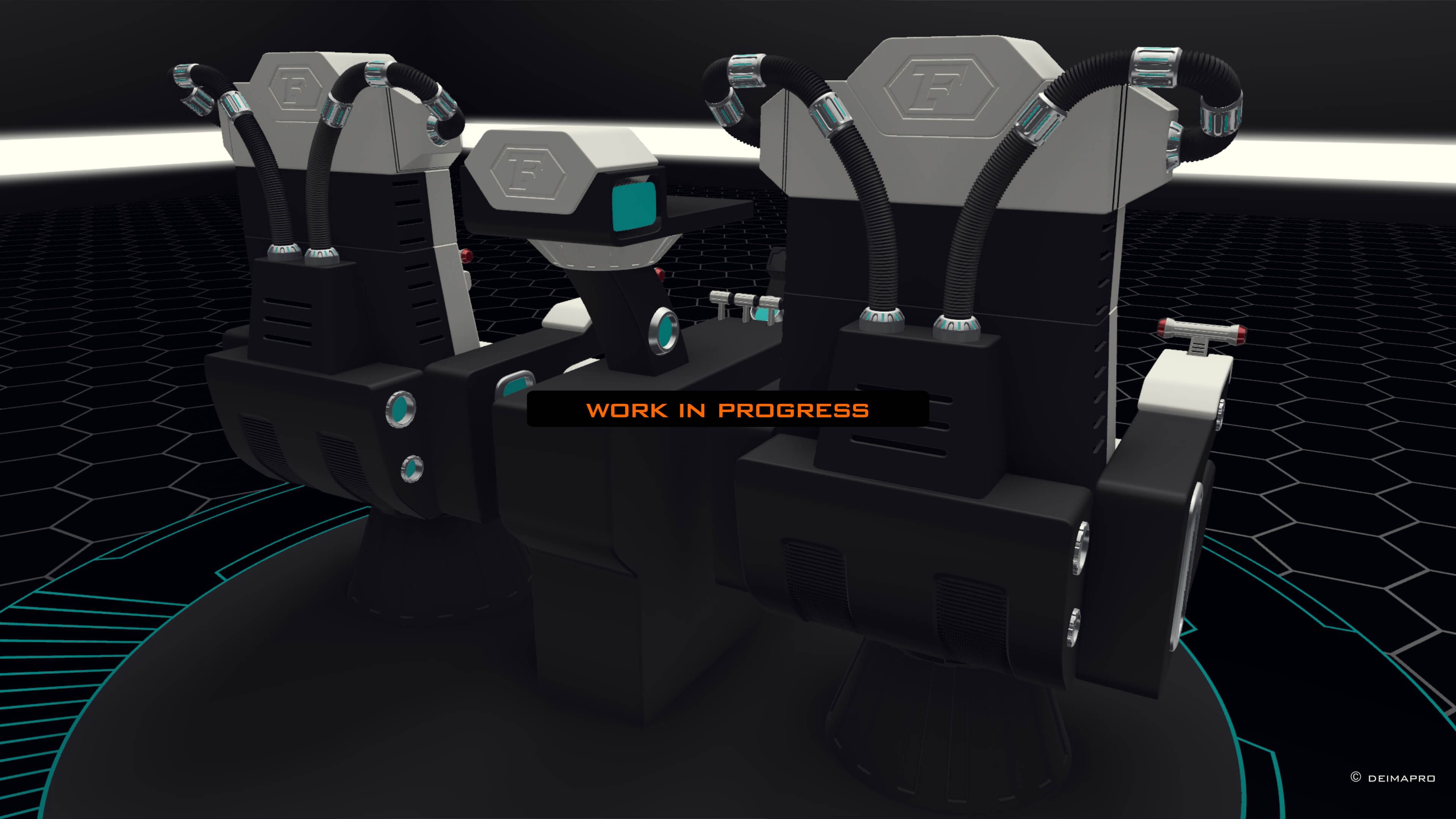
| sketchmodeling [cas].
It always starts with an idea. Information such as drawings, renderings, or a digitized form is sufficient
to create the first virtual surface data. In the form-finding phase, the main focus is initially
on proportions and aesthetics. Technical feasibility is still somewhat in the background.
Nevertheless, it is always advantageous to review initial technical specifications (package) and incorporate them if necessary.
This allows you to identify potential challenges early on that will most likely carry over into series production.
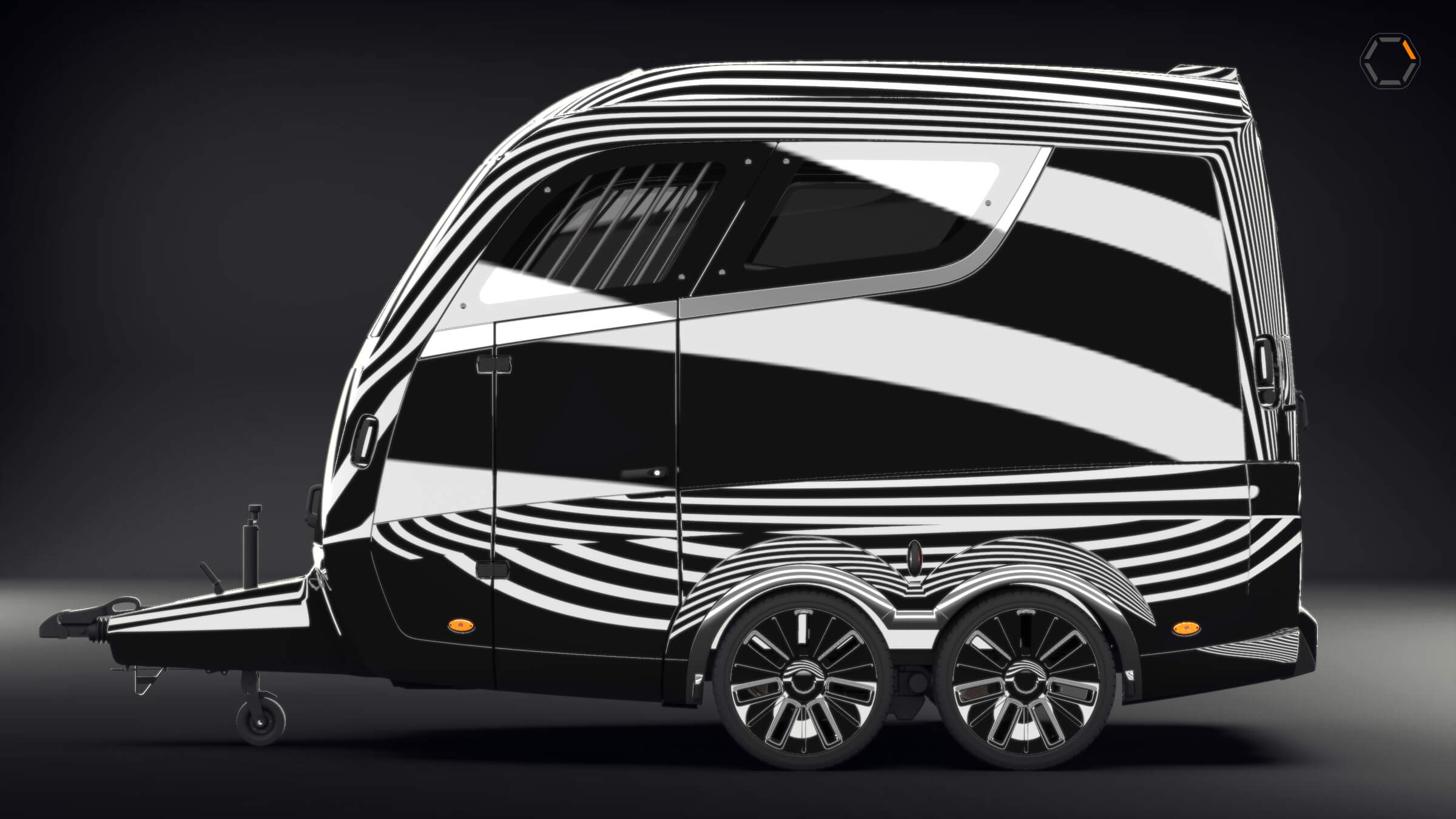
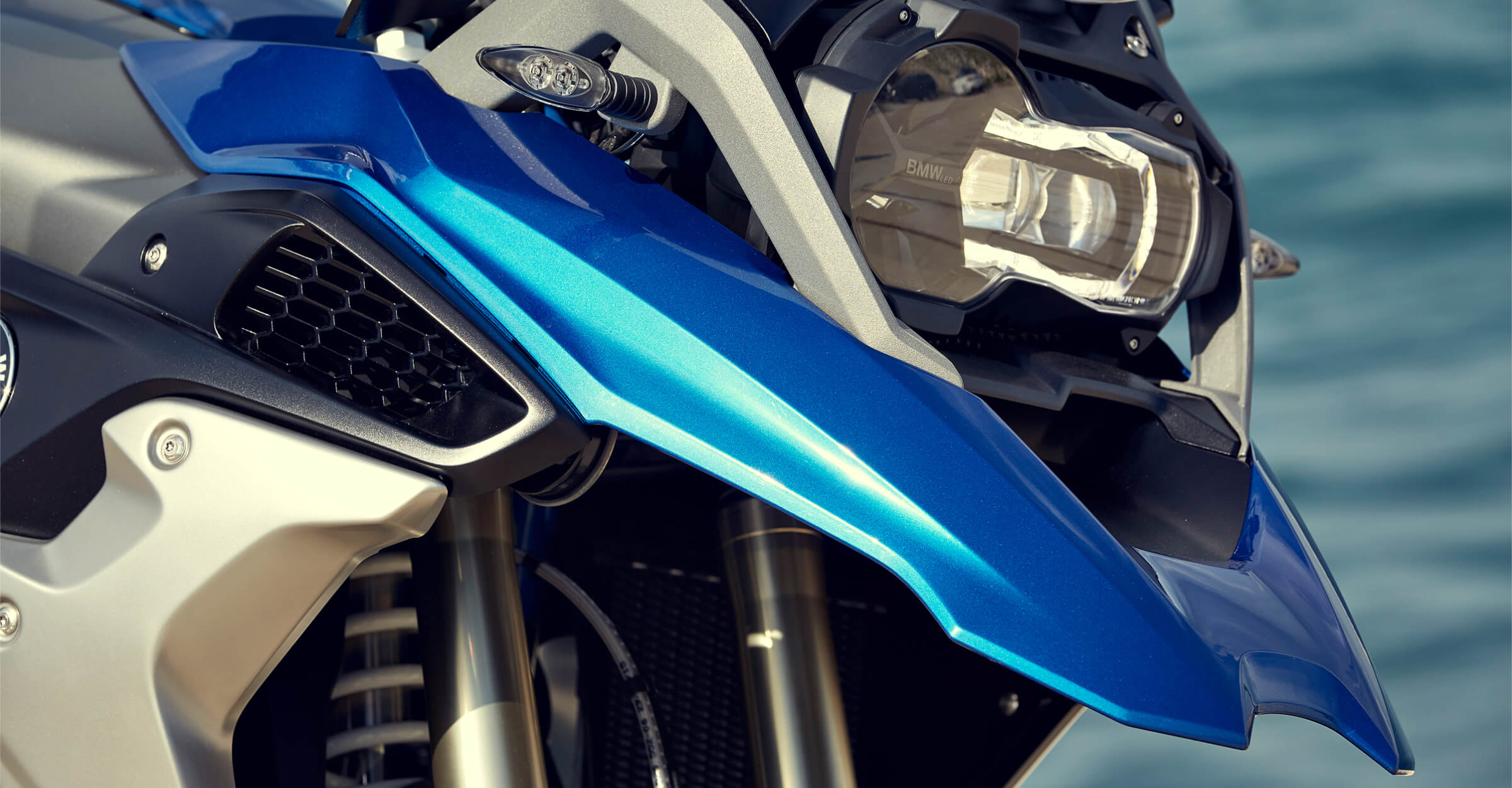
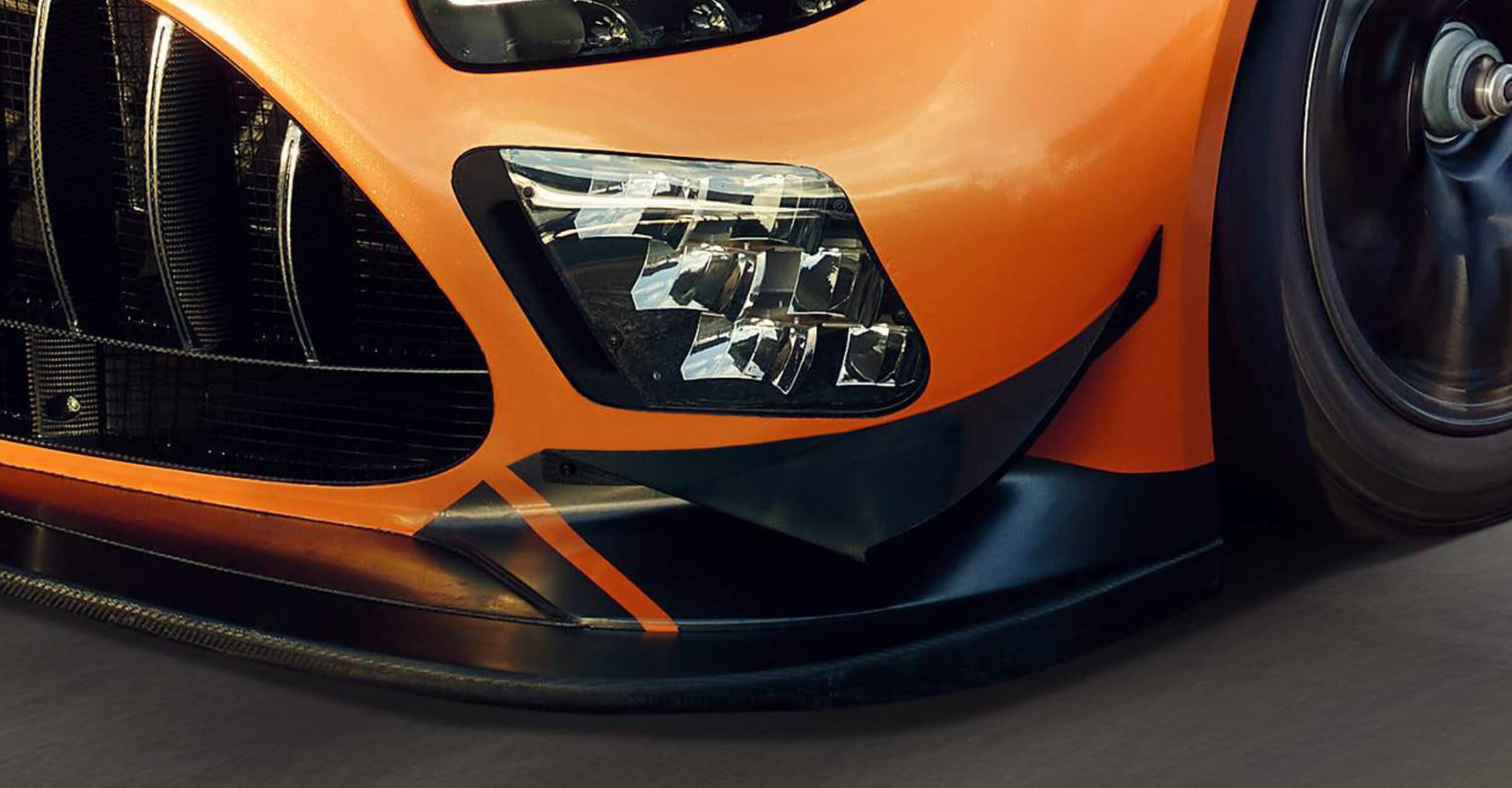
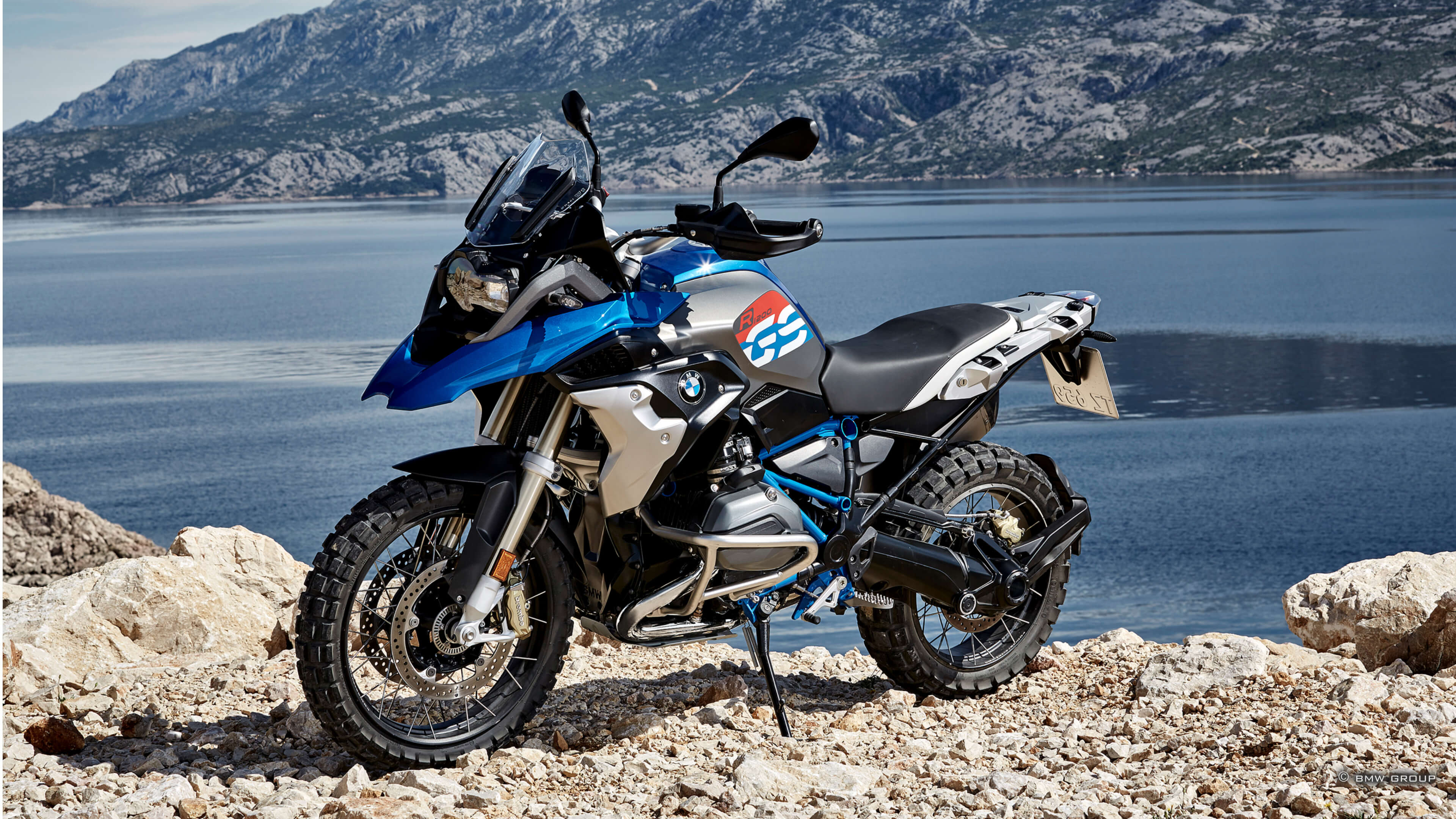
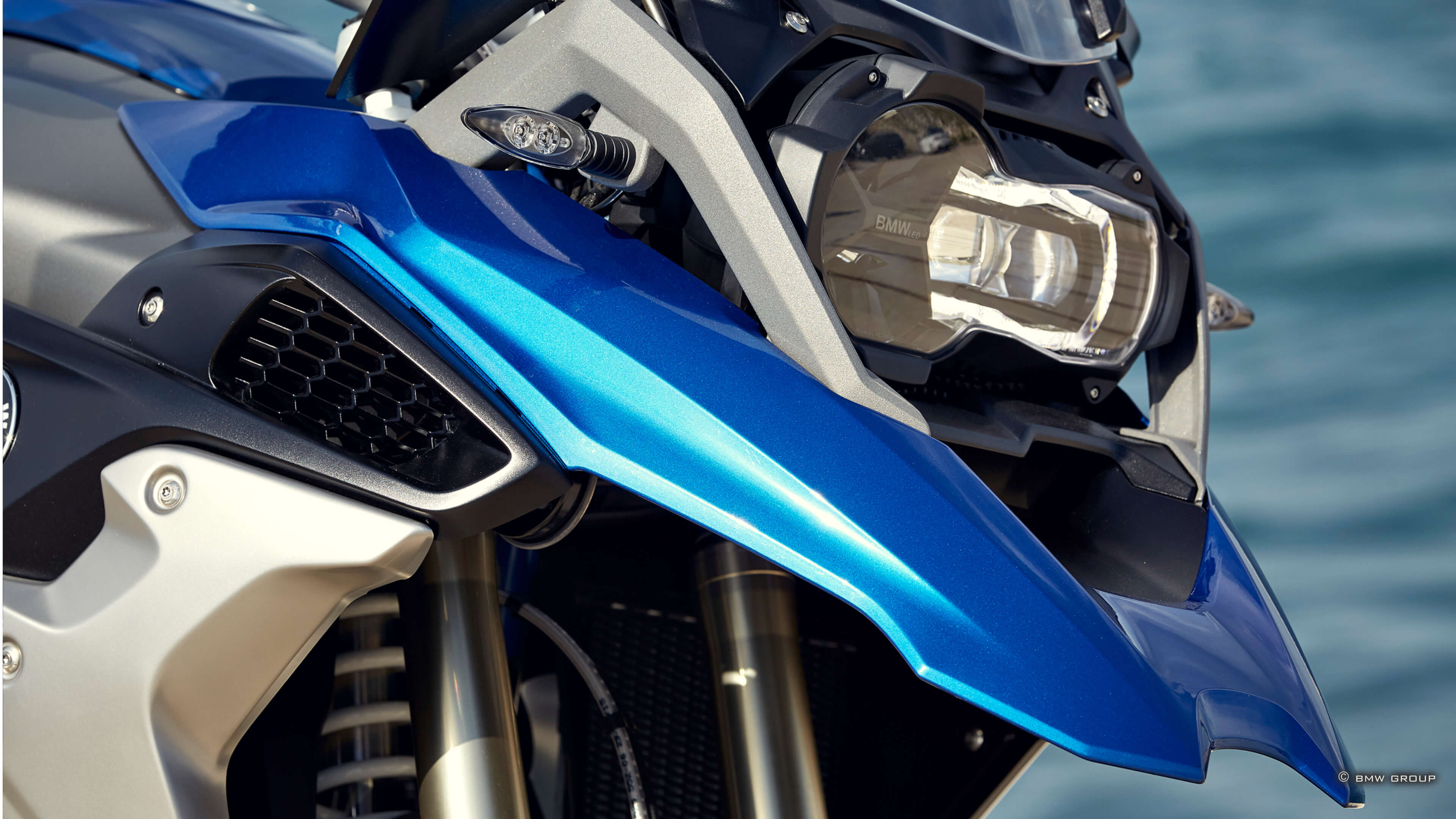
| class-a-surfaces [strak].
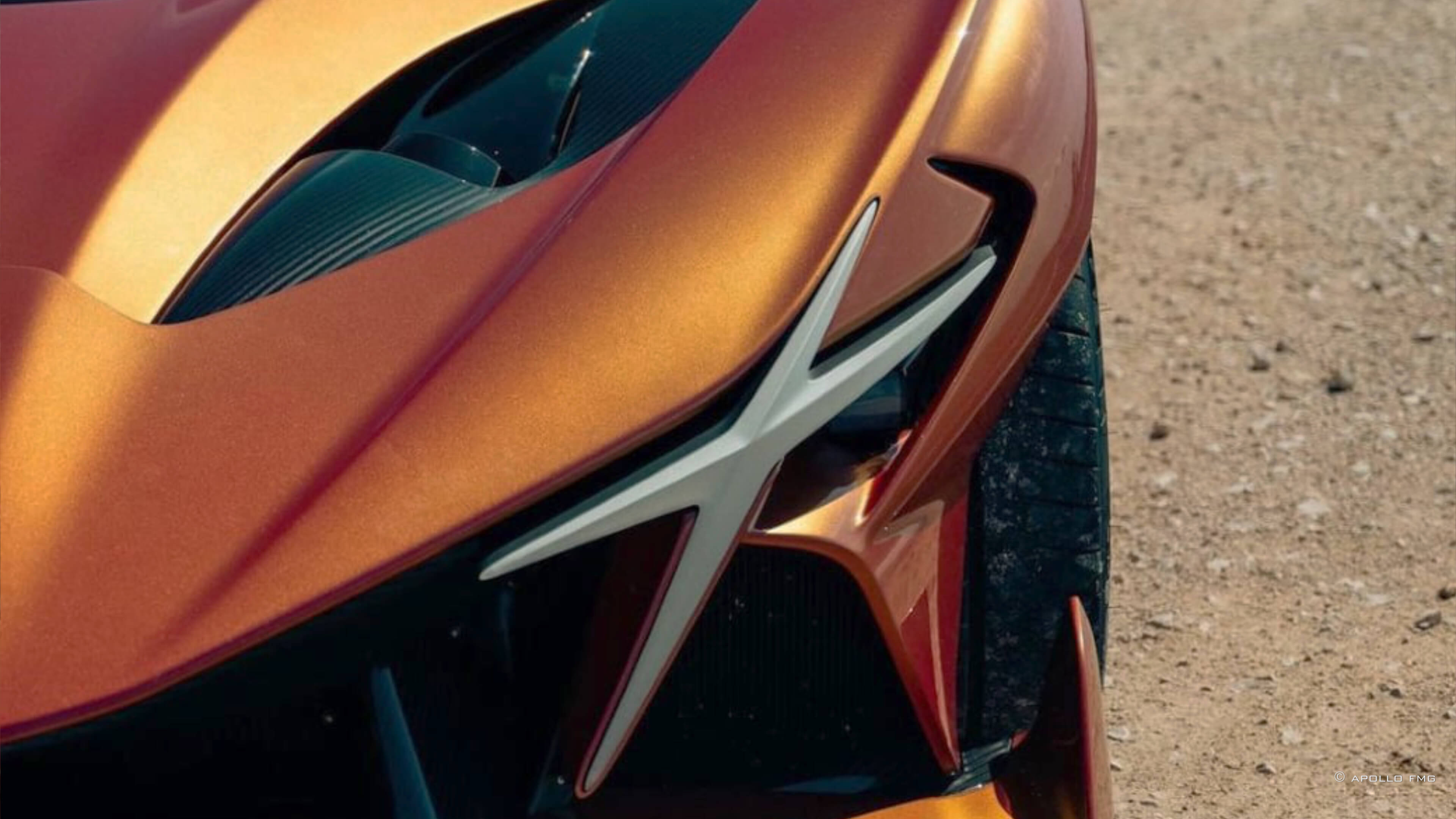
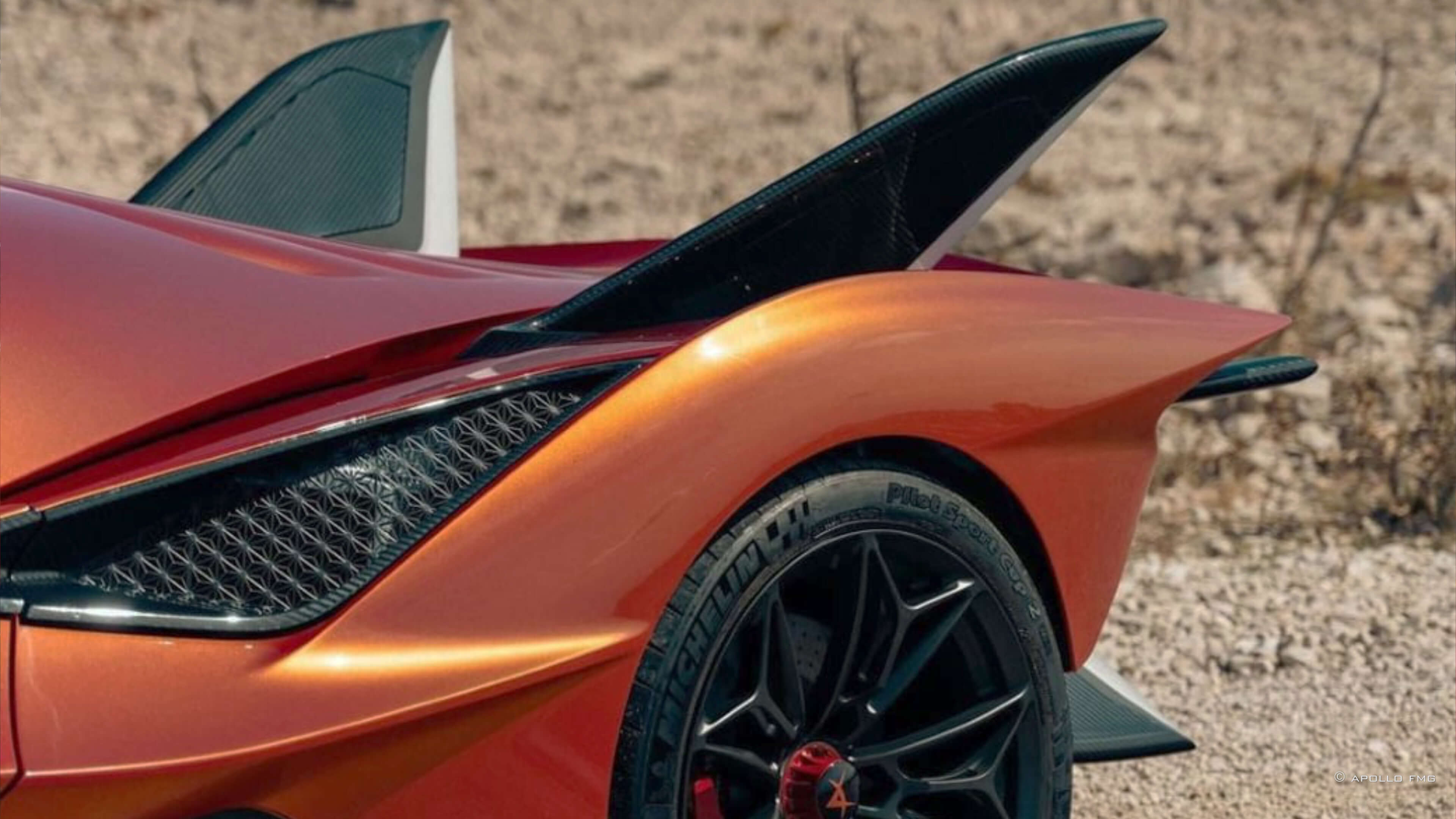
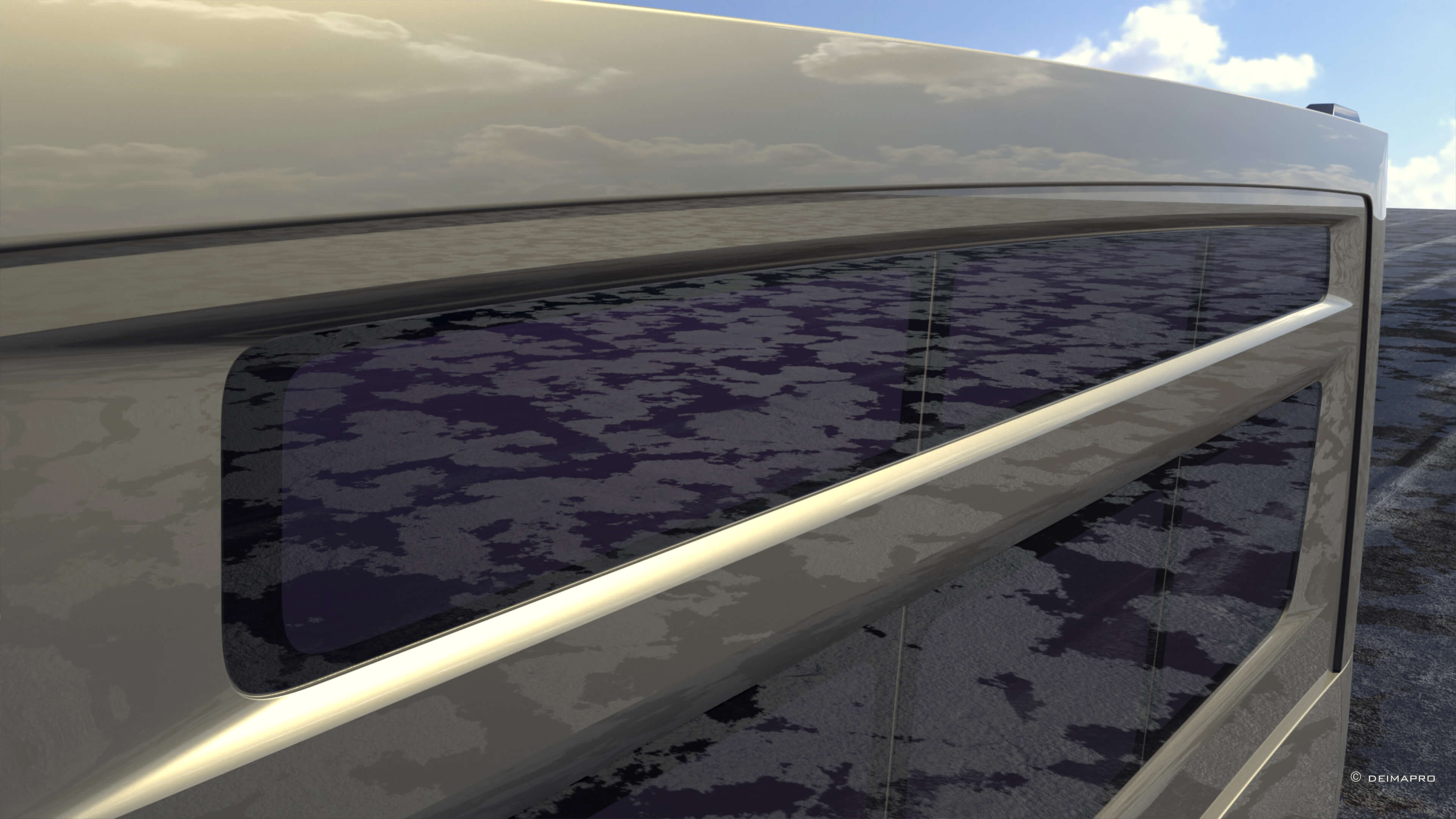
Once a design has been selected for series production, the surface model is further developed in terms of quality, manufacturability, and legal compliance.
This involves addressing issues such as highlights, contours, molded features, mold release, mold separations, minimum radii in the mold, and draft angles.
Strak always delivers data up to the “first placement,” which means that everything in the non-visible area of the component is created by the component design.
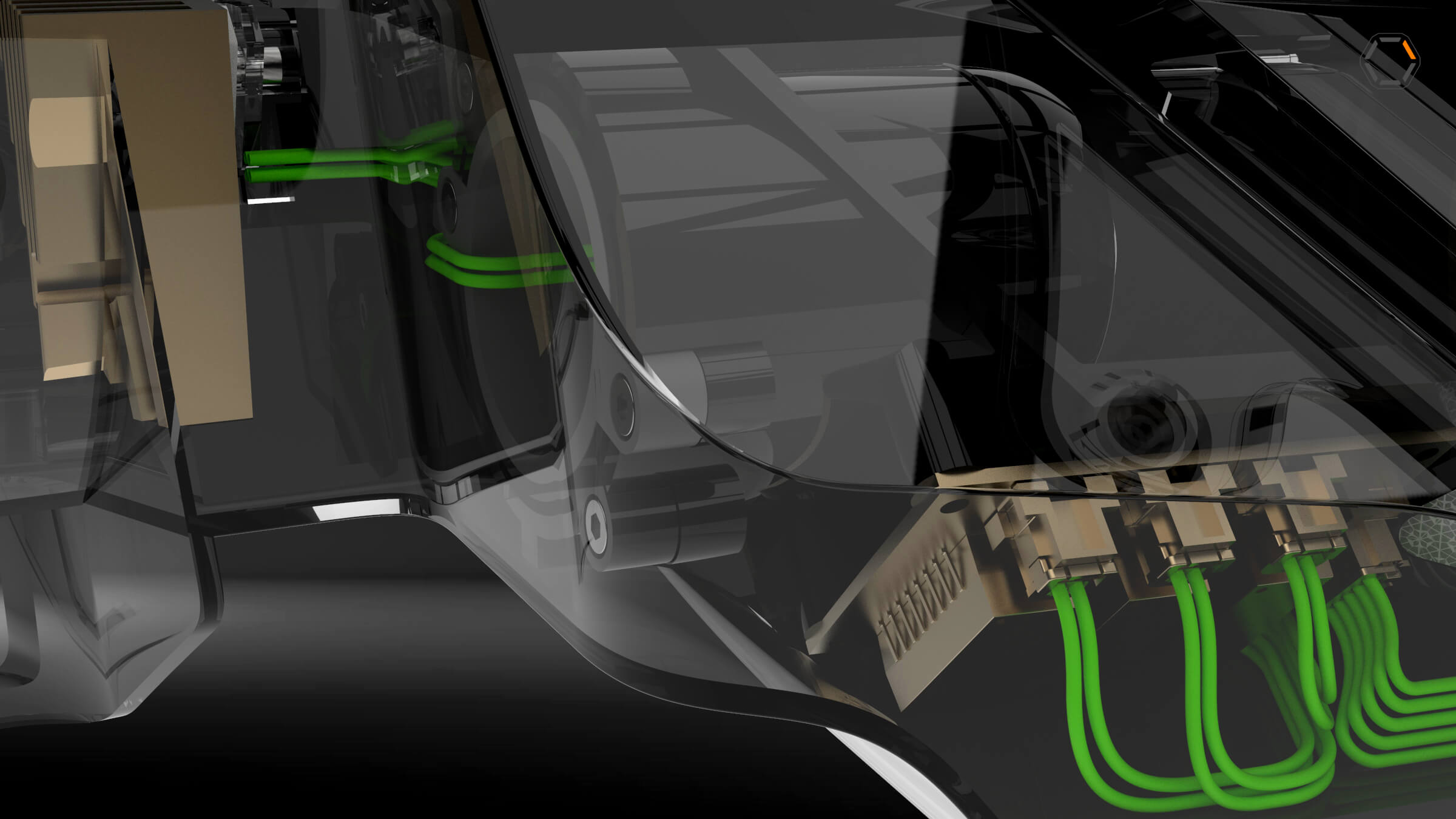
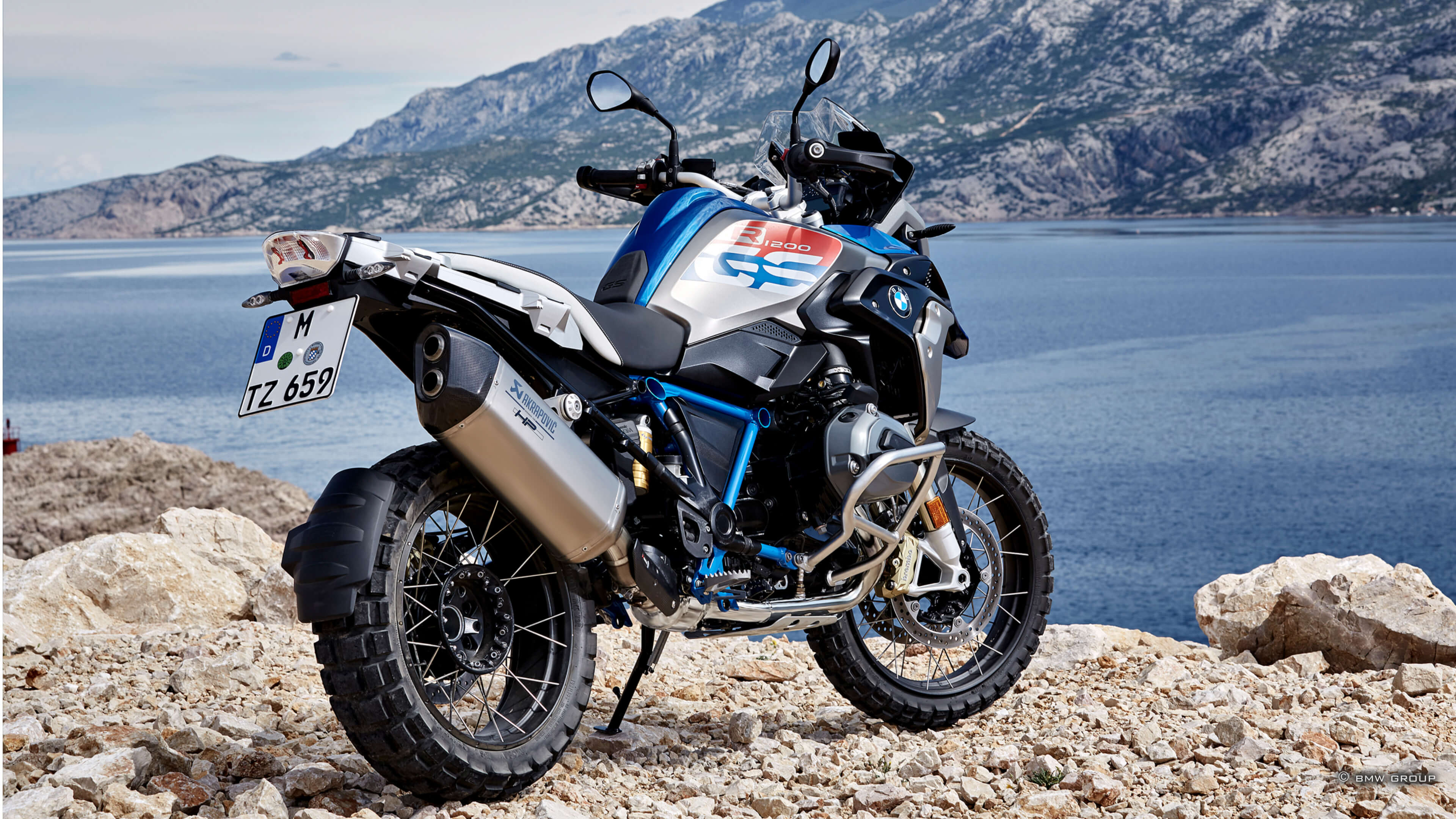
| component design [mtk][cad].
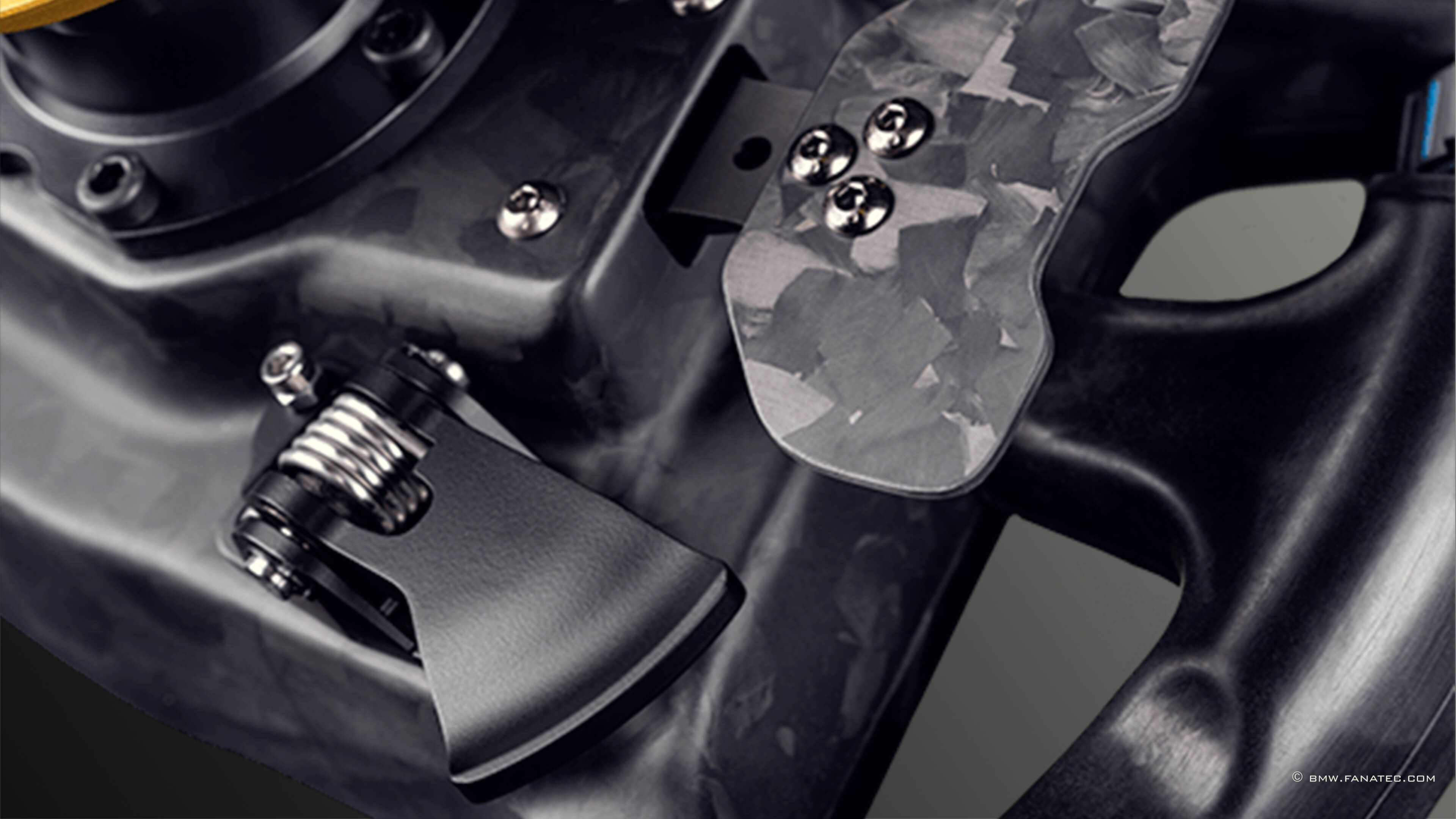
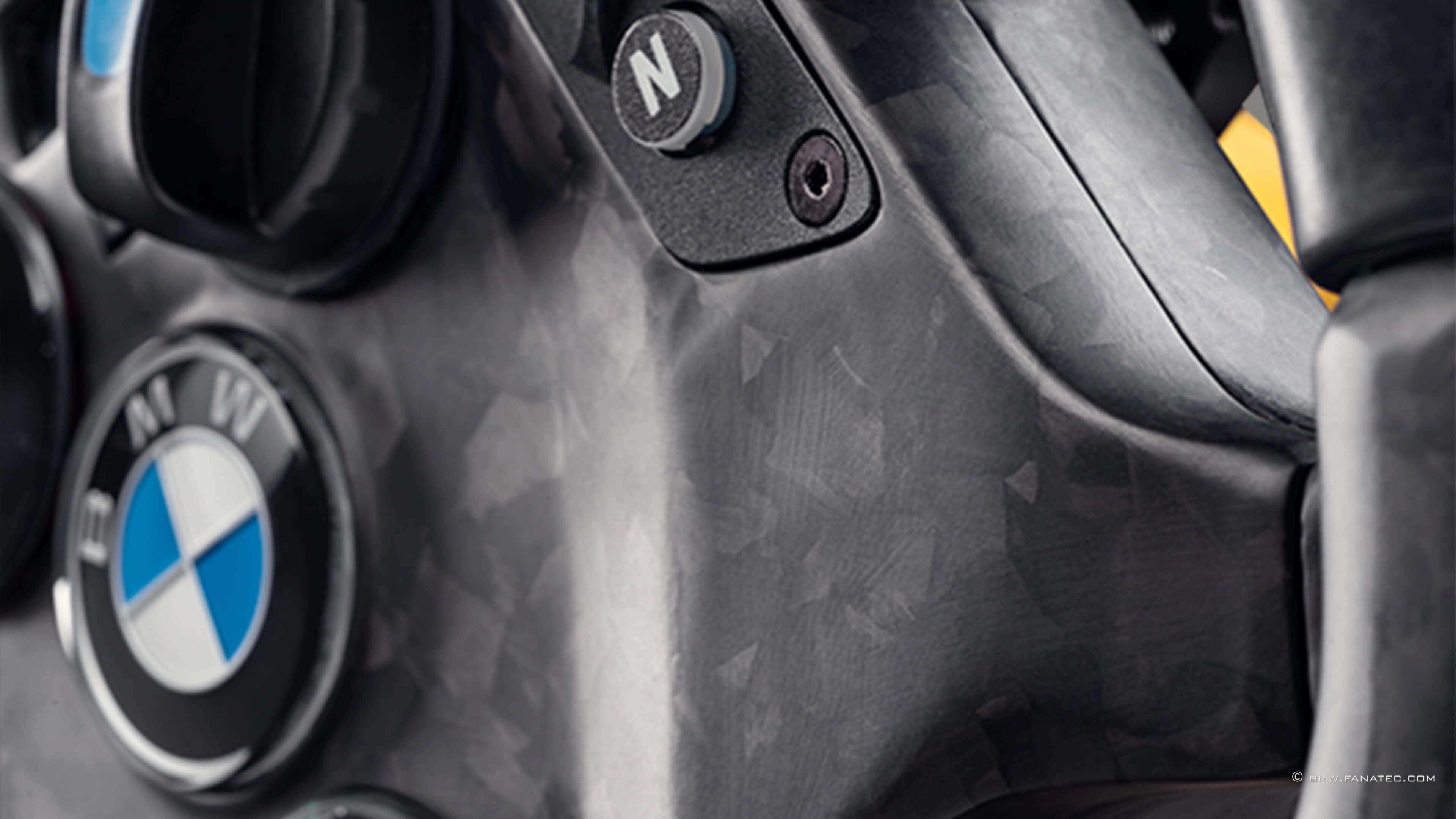
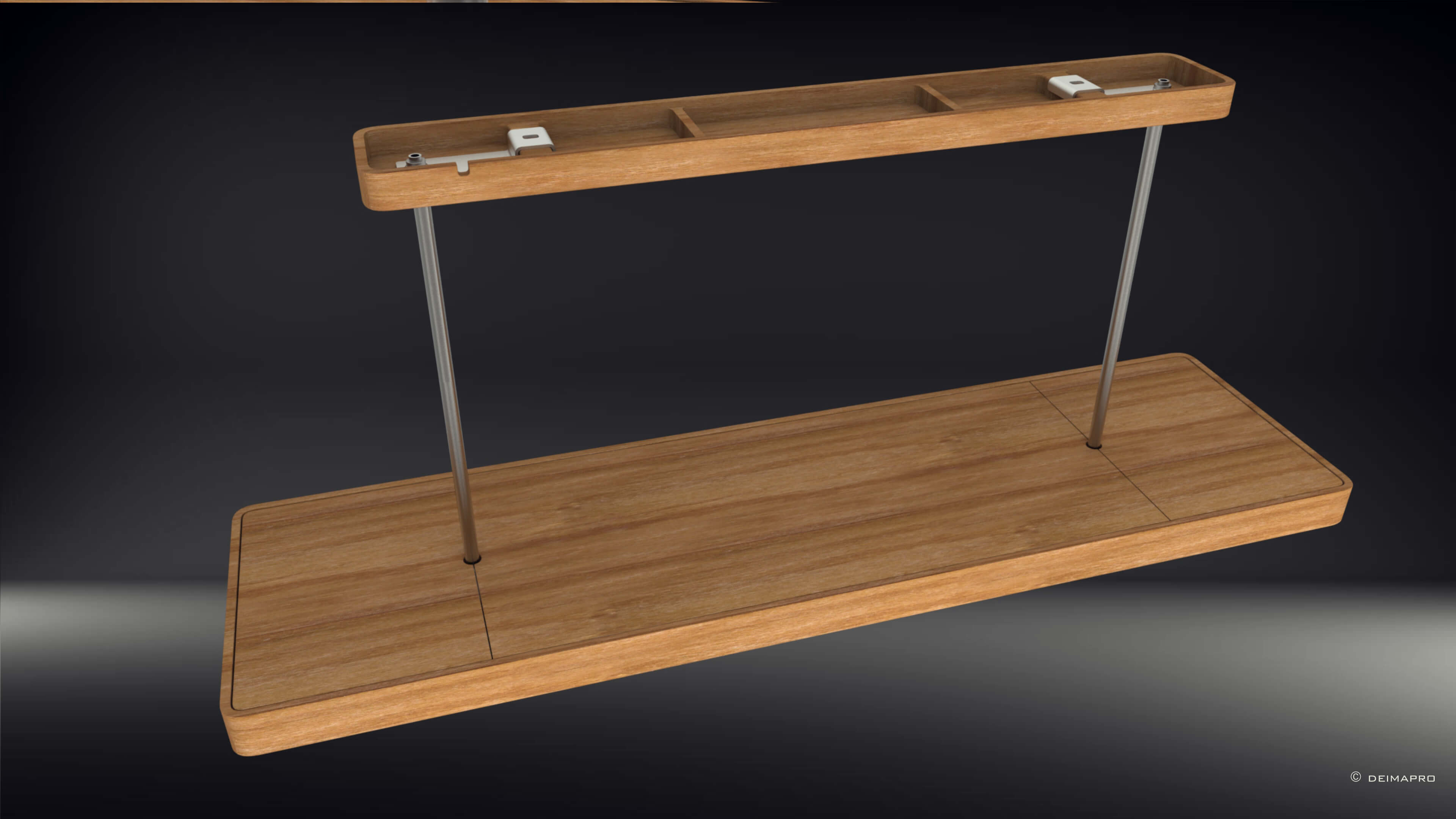
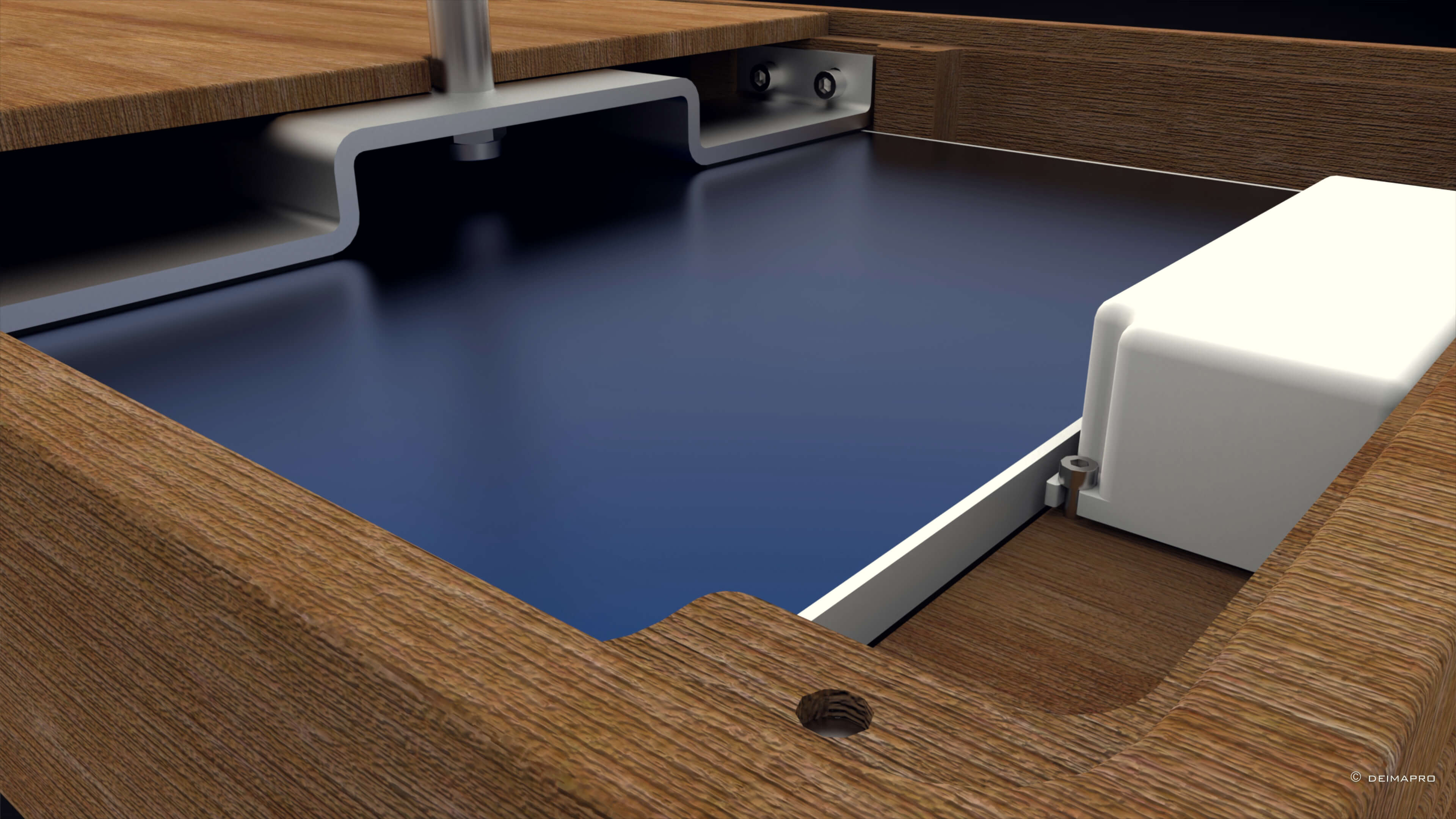
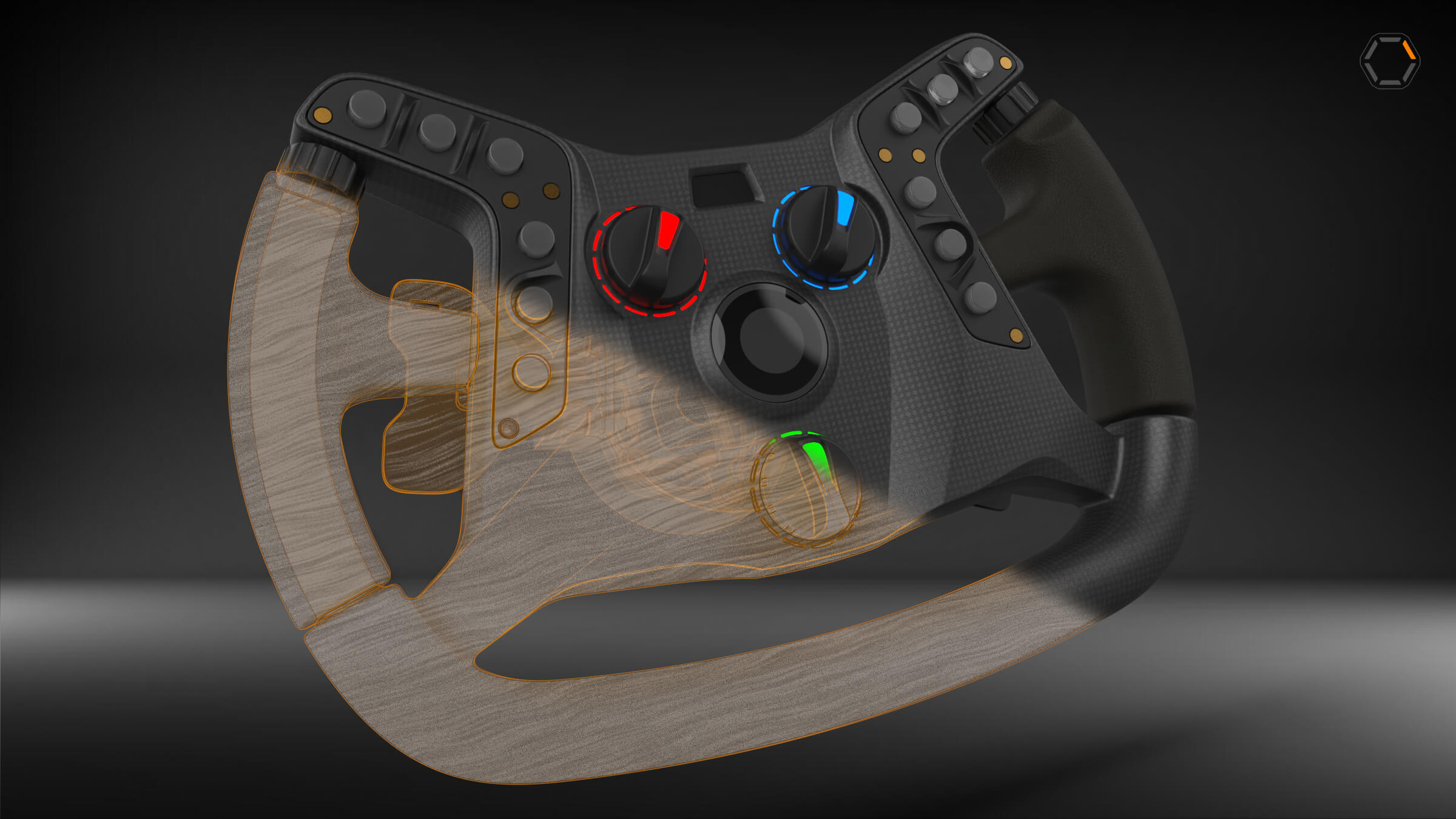
If physical models or prototypes are required during the development process, we provide support with the design.
Depending on the manufacturing process, the complexity, and the number of parts in the models, we take various aspects into account:
assembly, material thicknesses, fastenings, mold separations, demolding, color and material concepts.
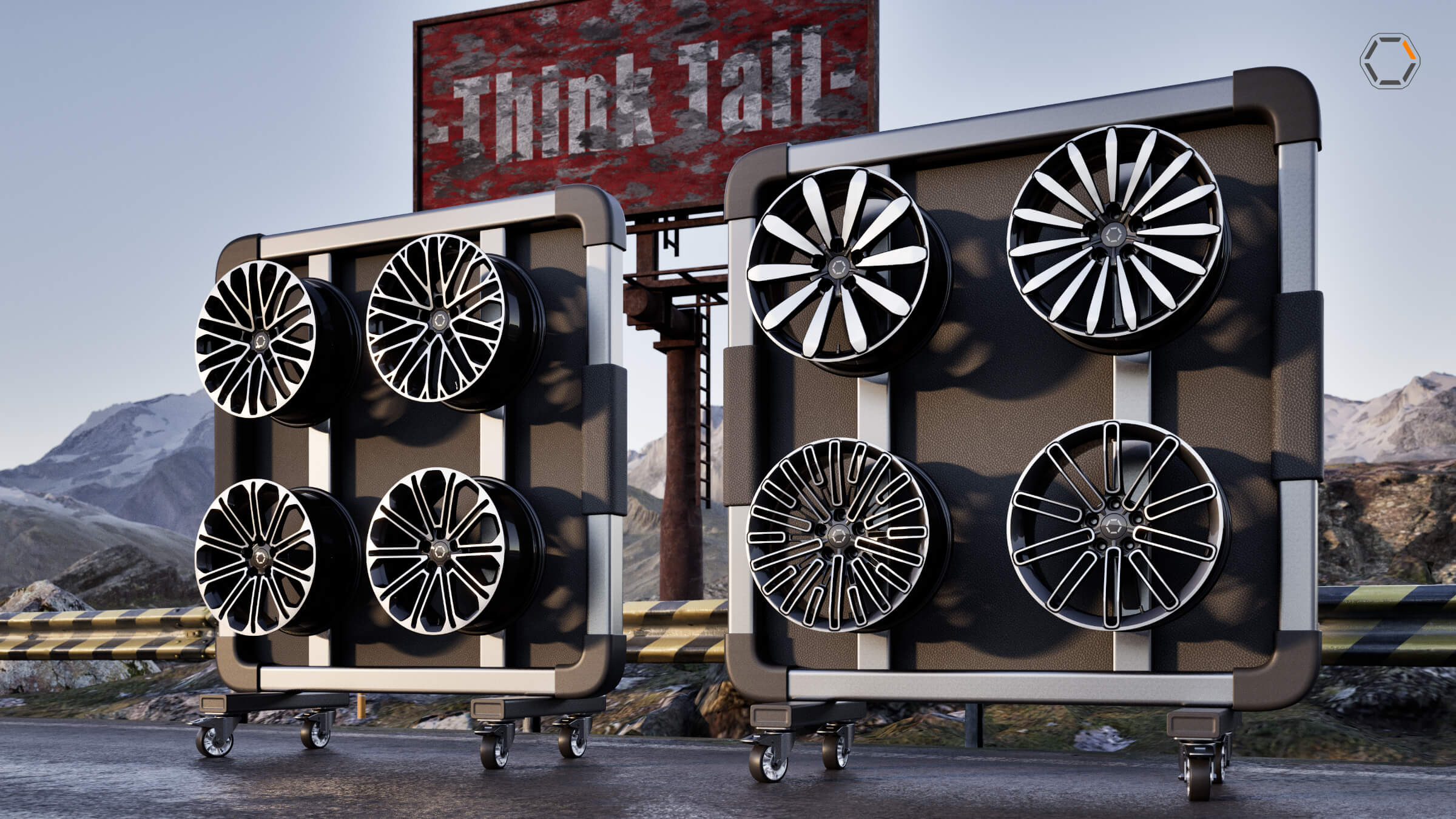
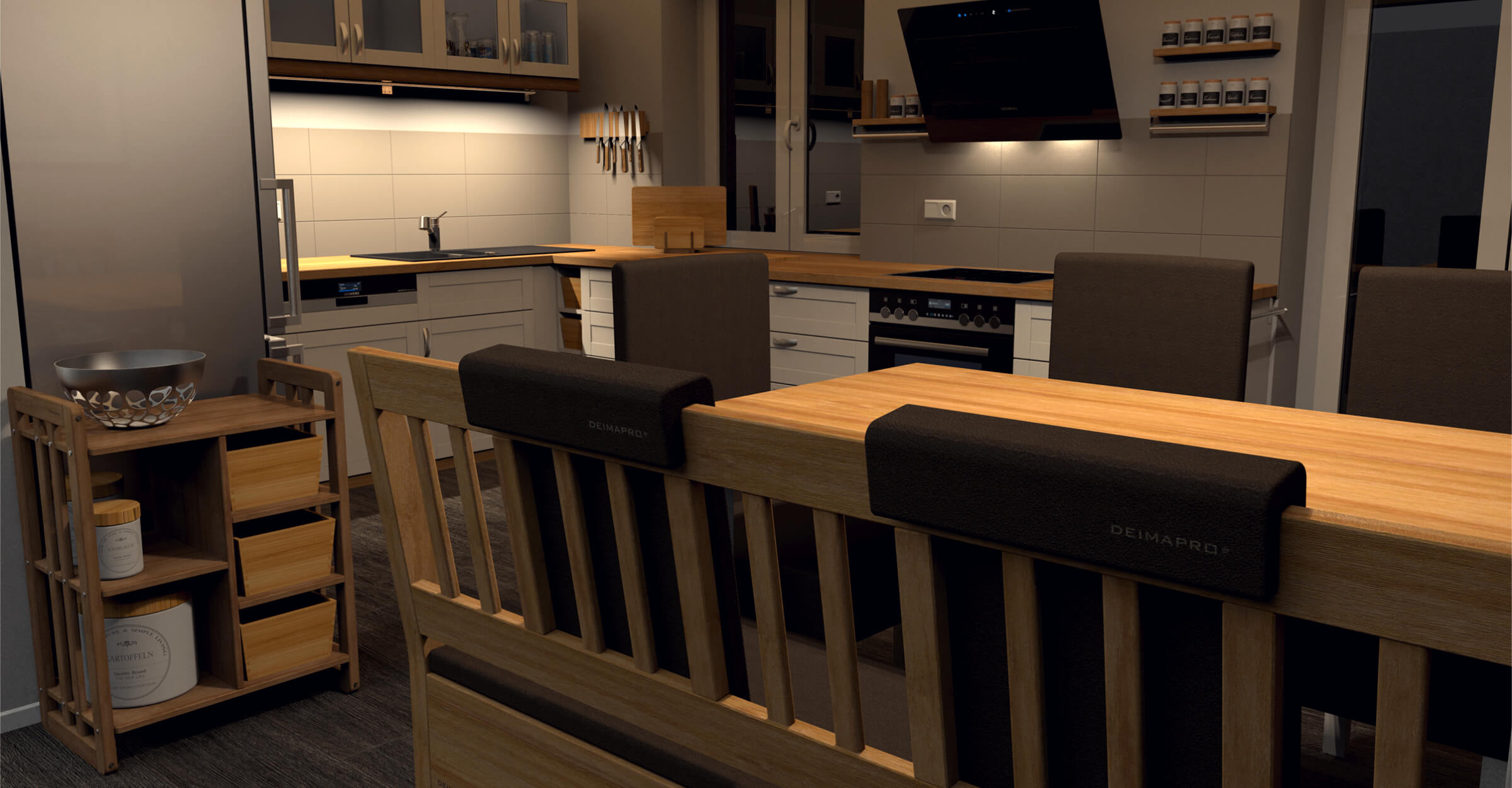
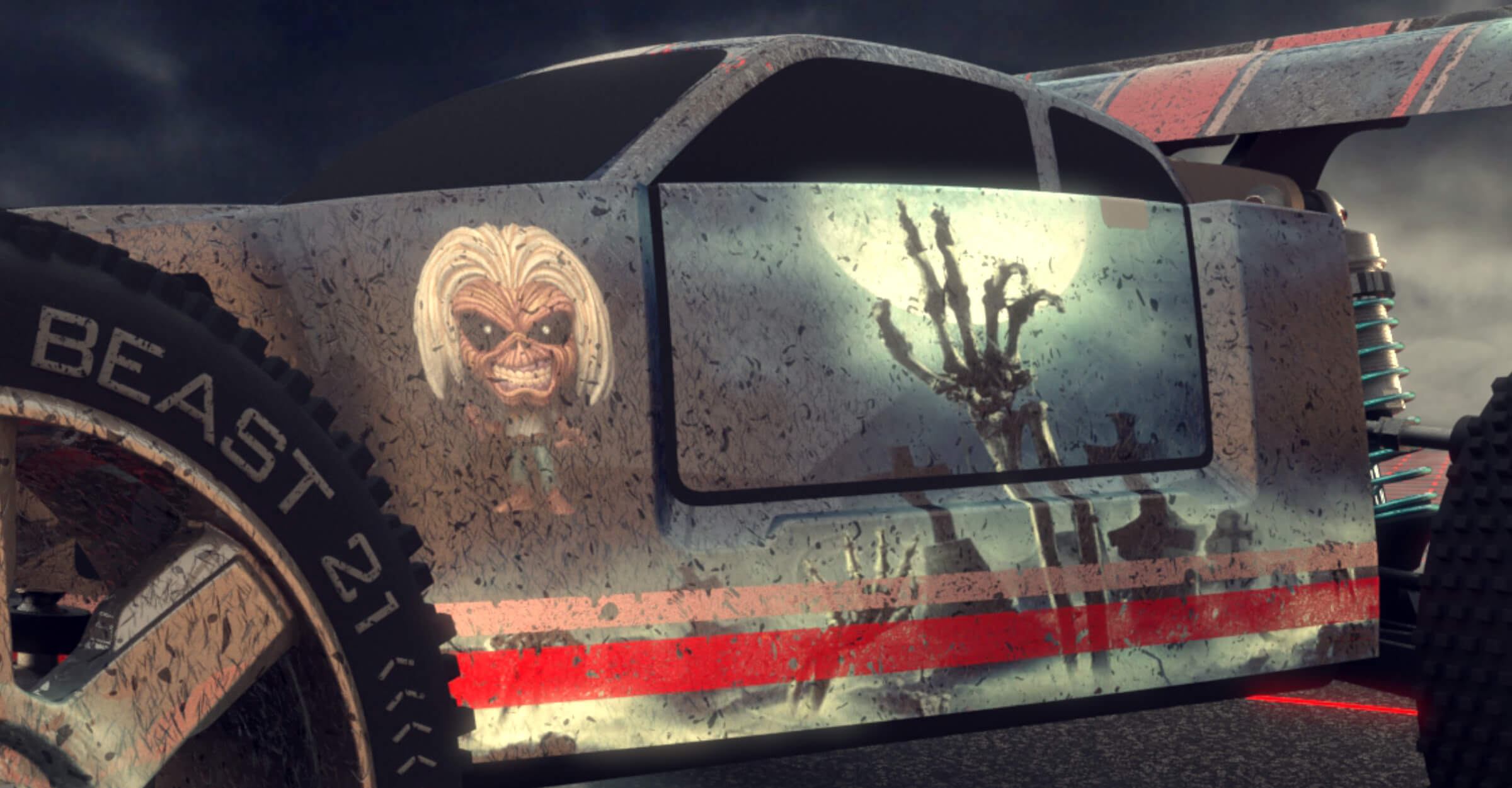
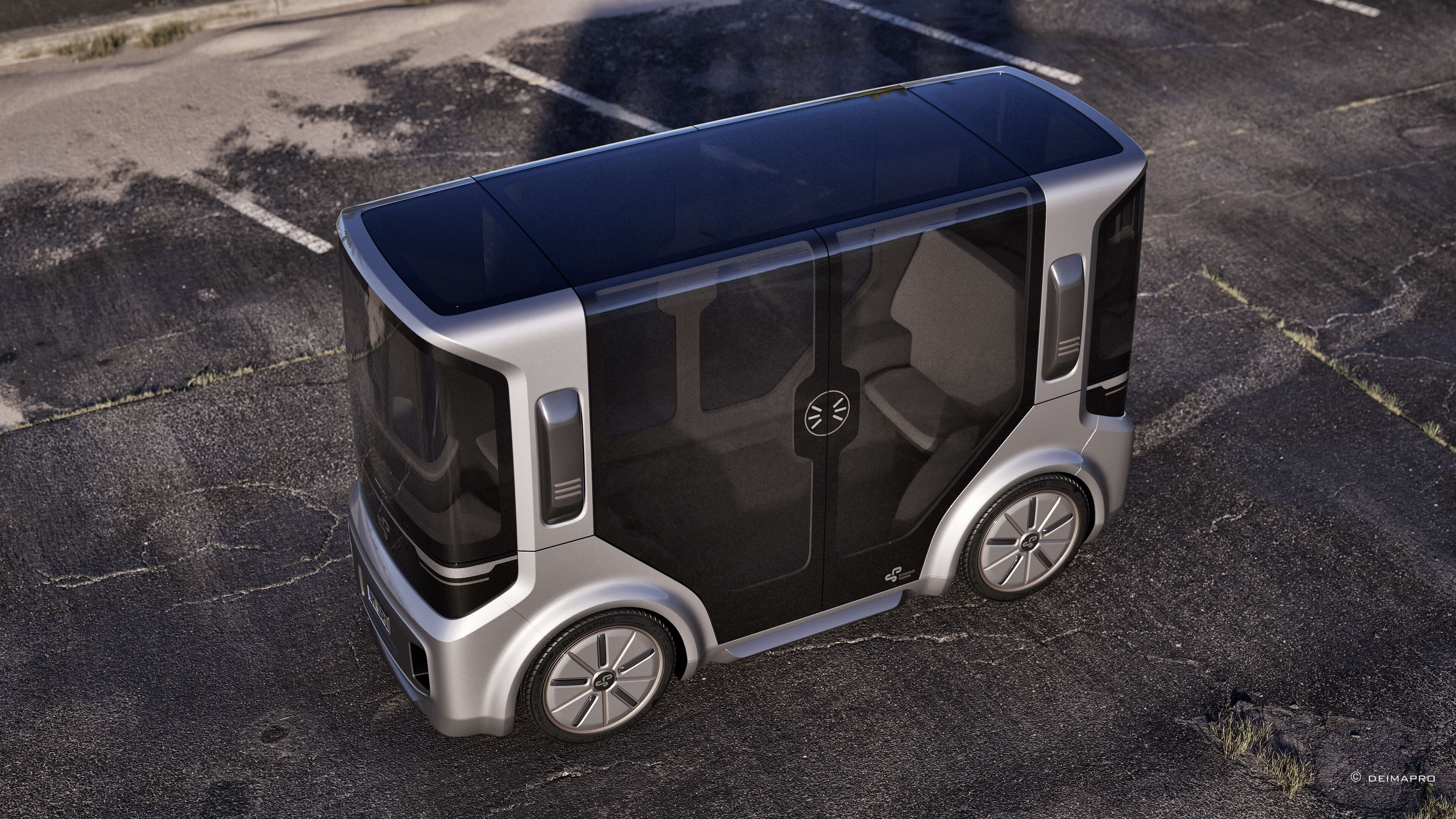
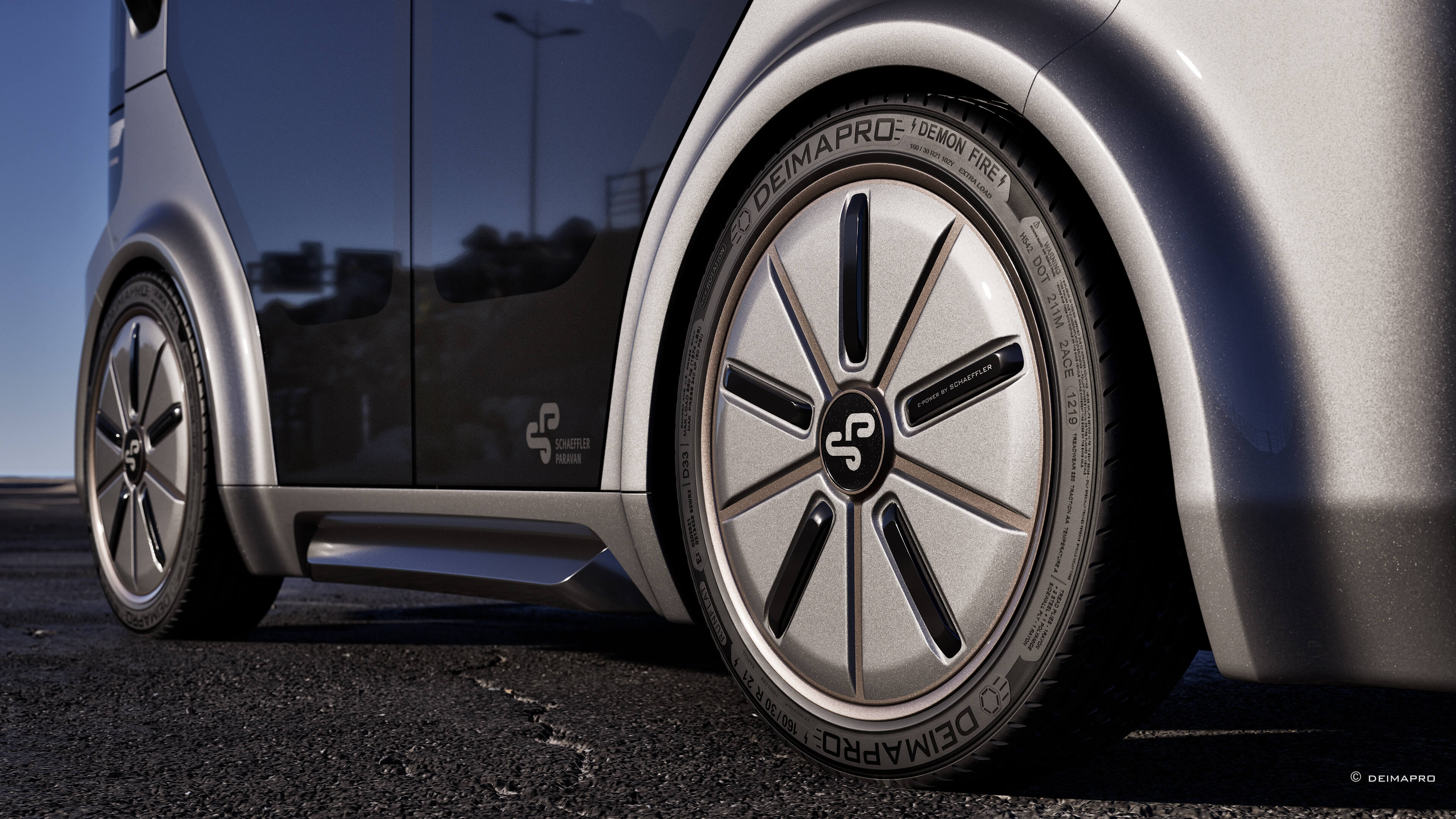
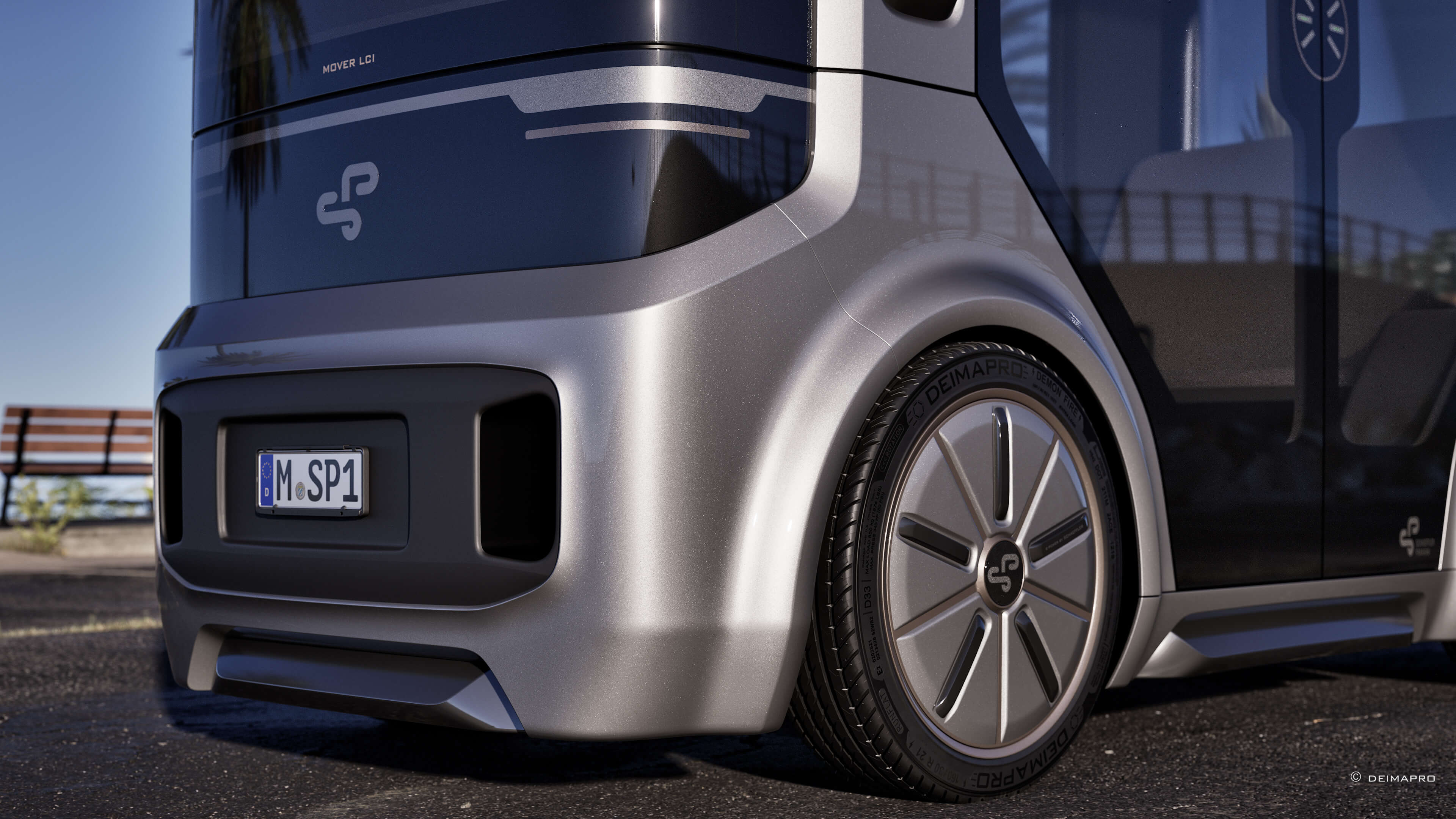
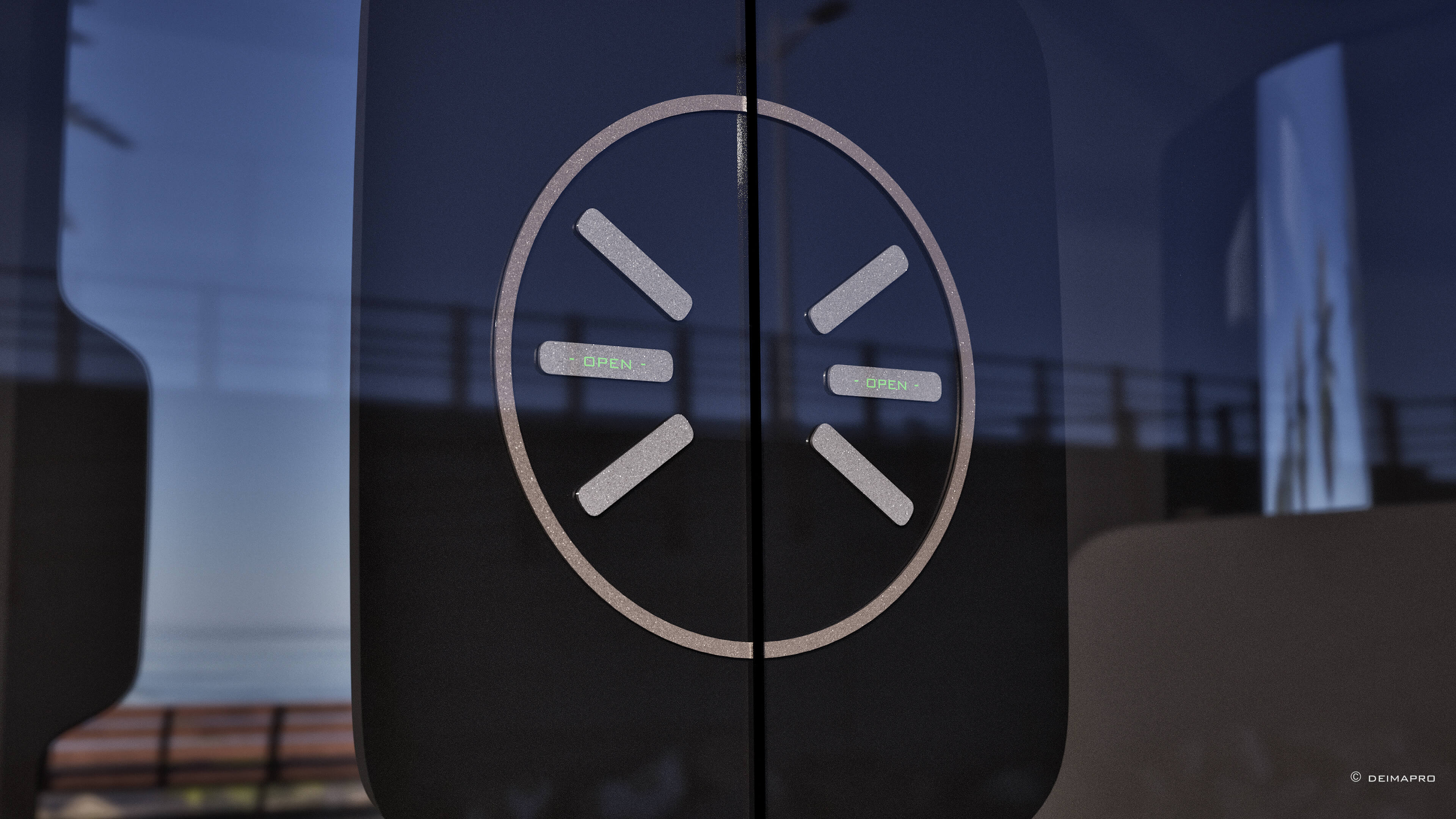
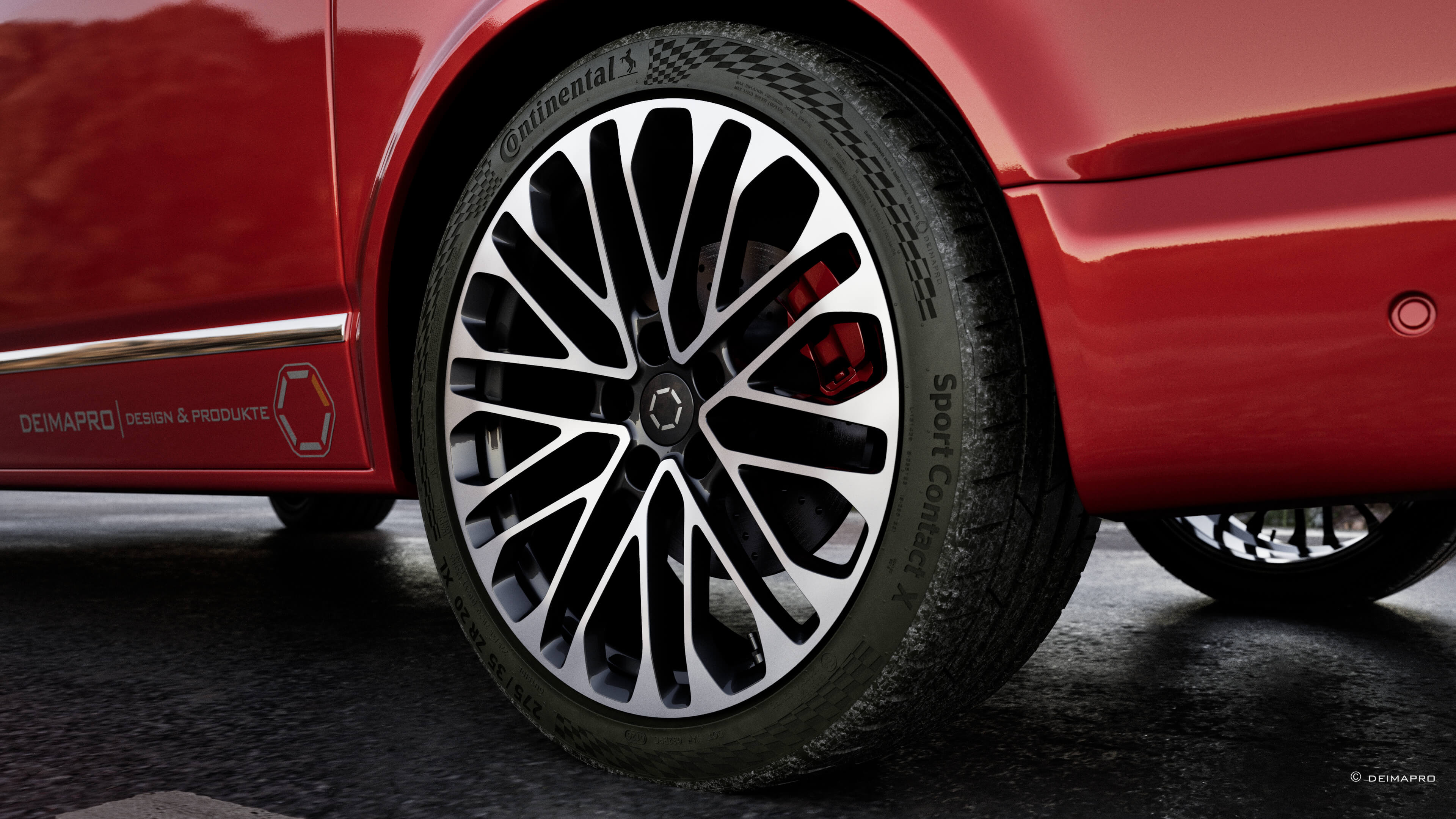
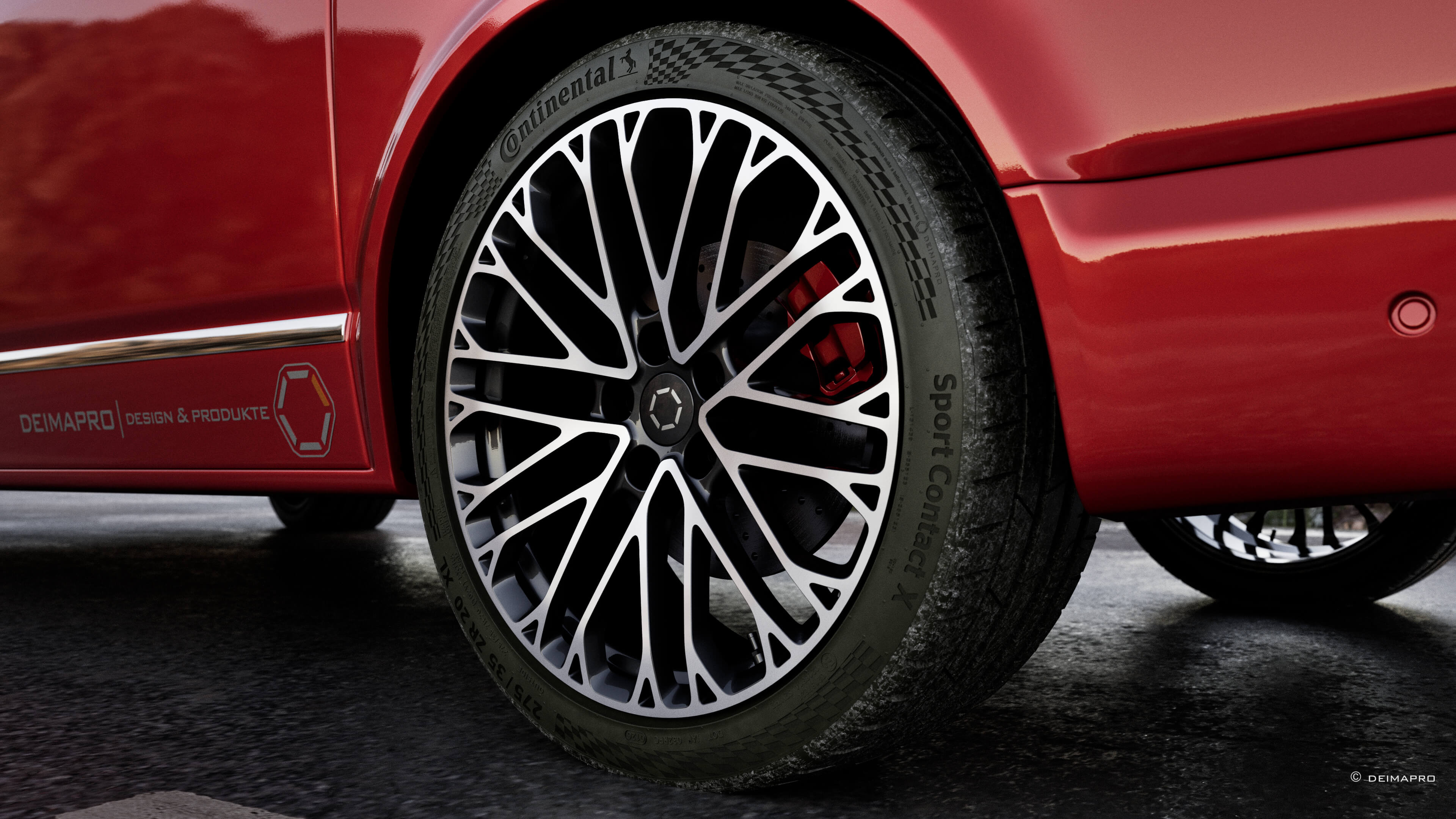
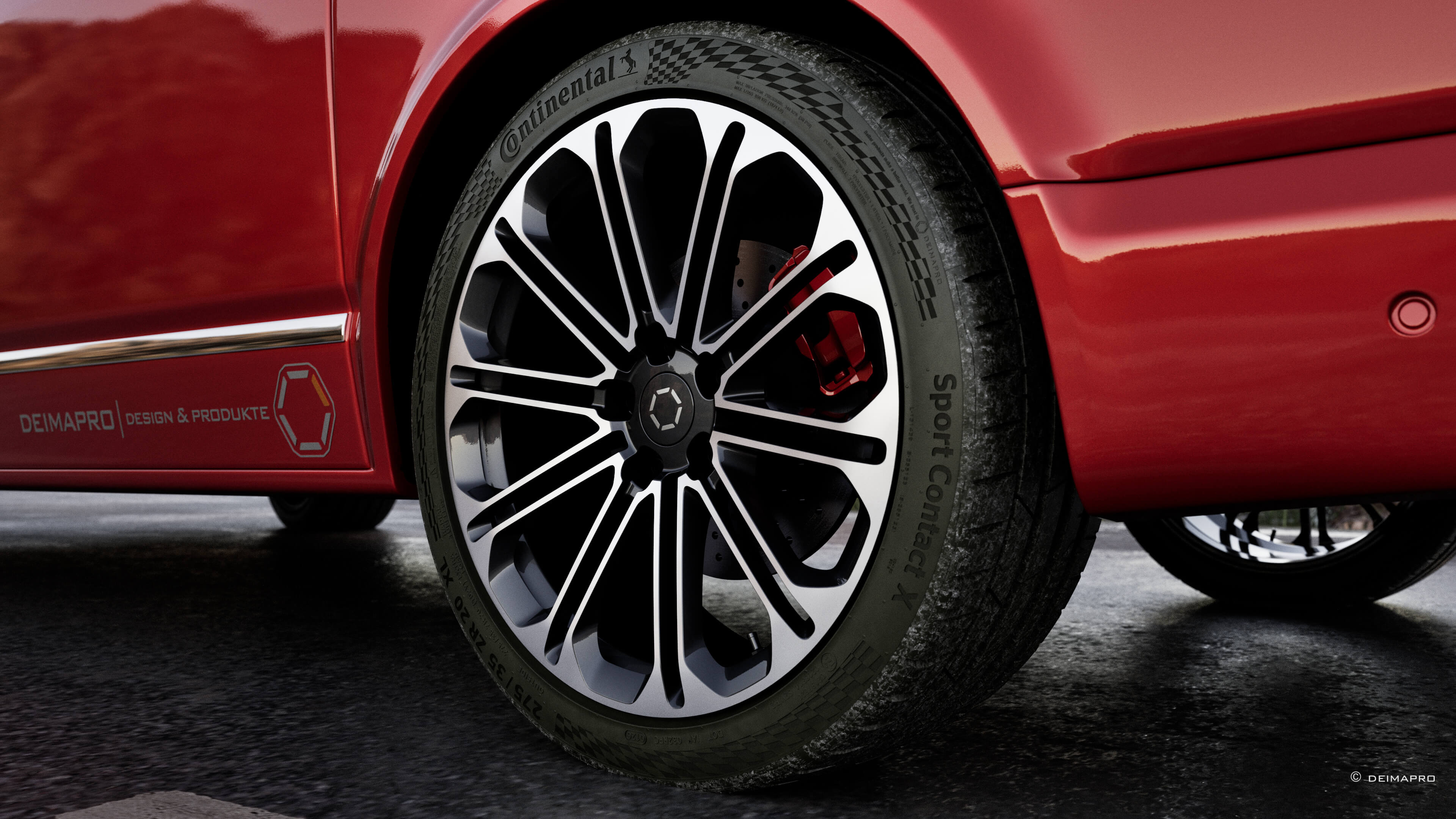
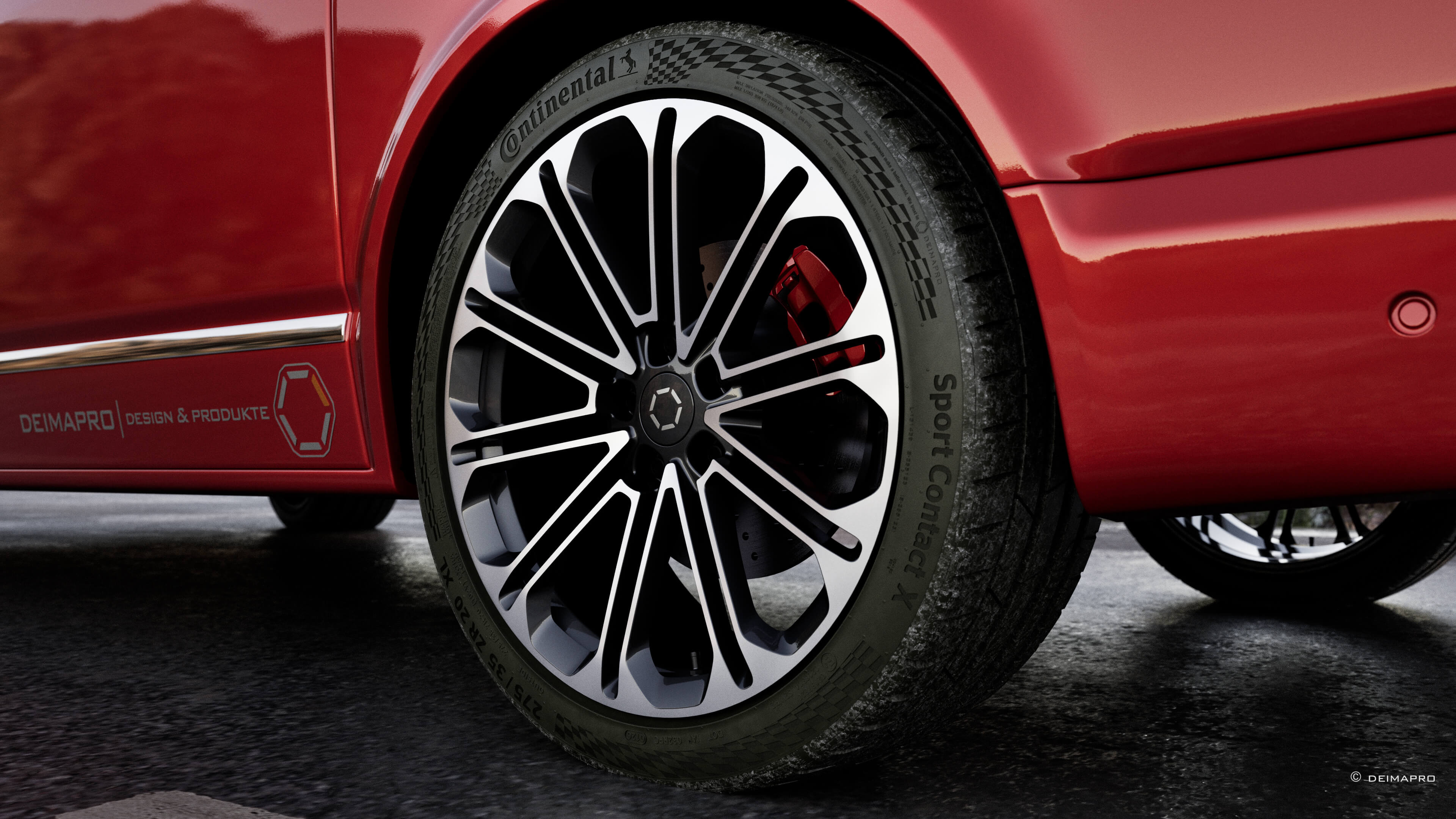
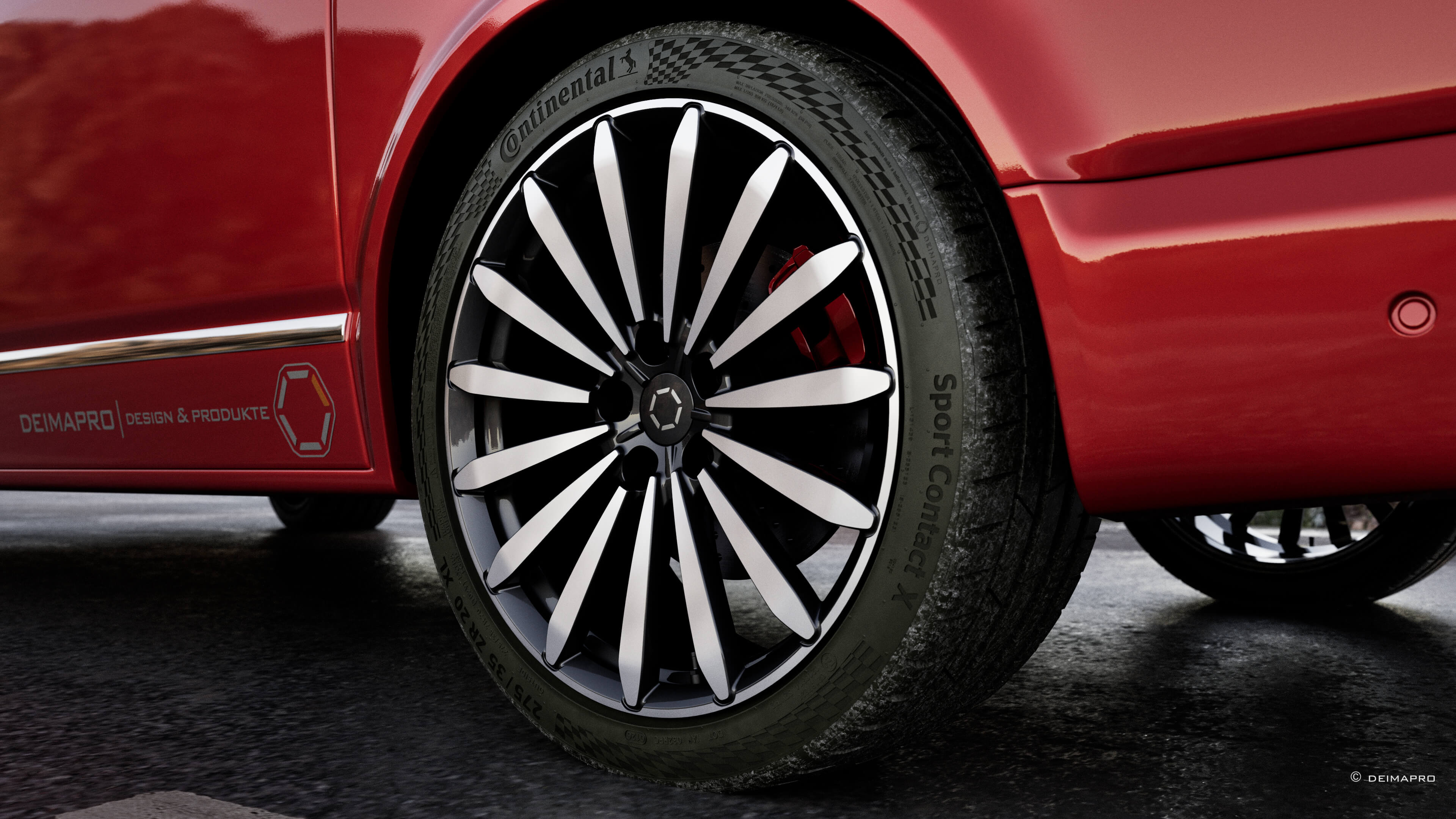
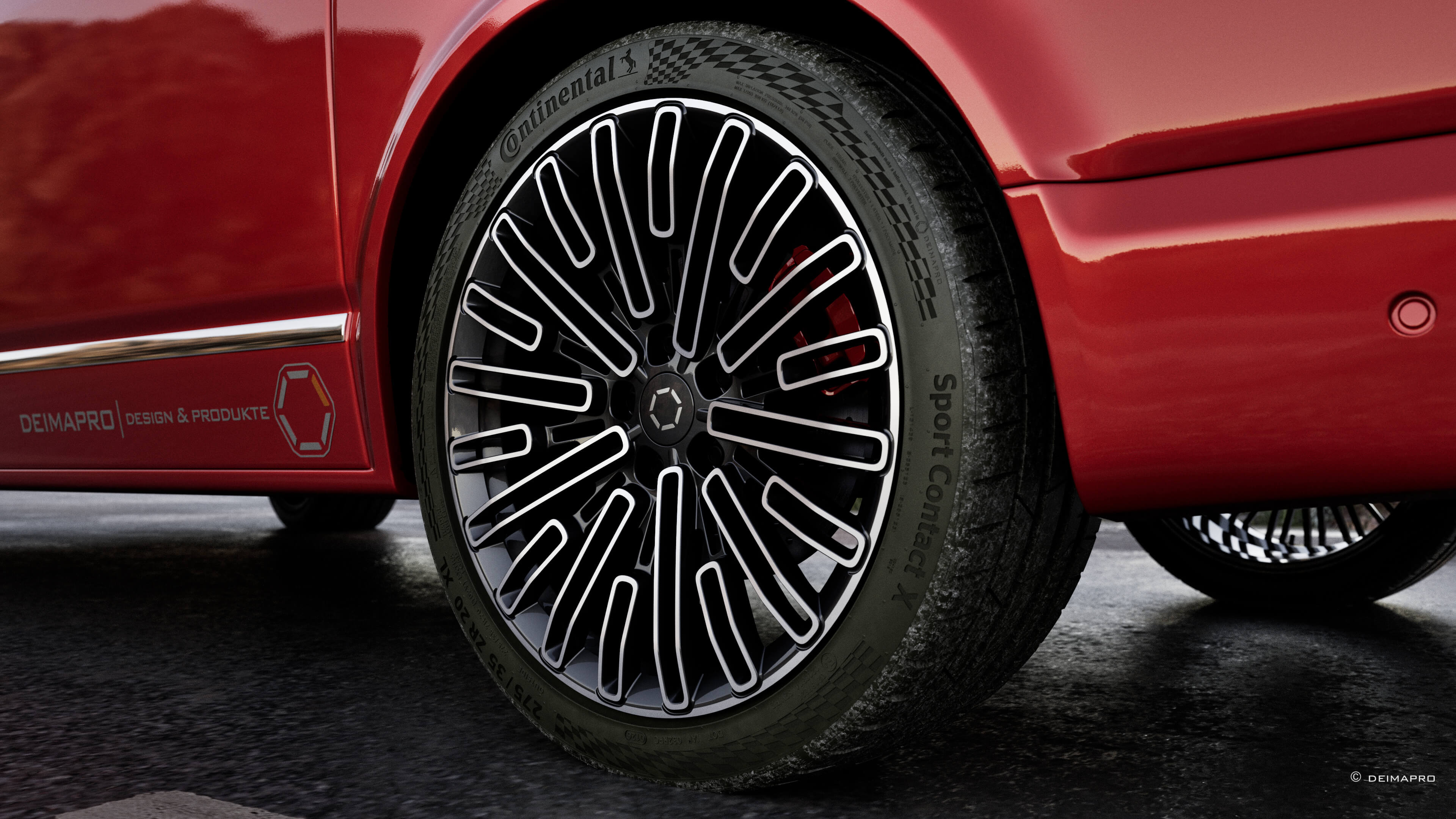
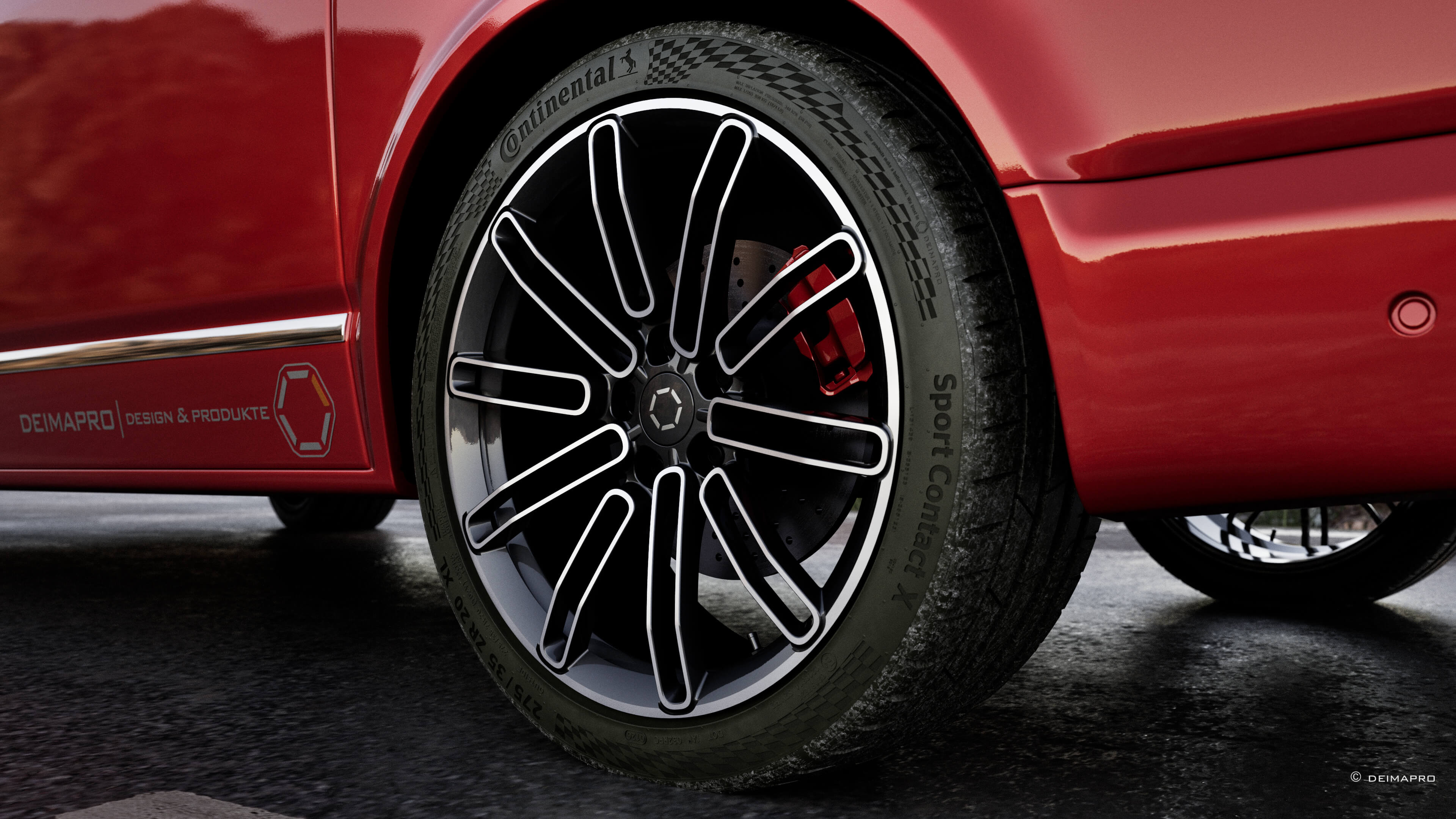
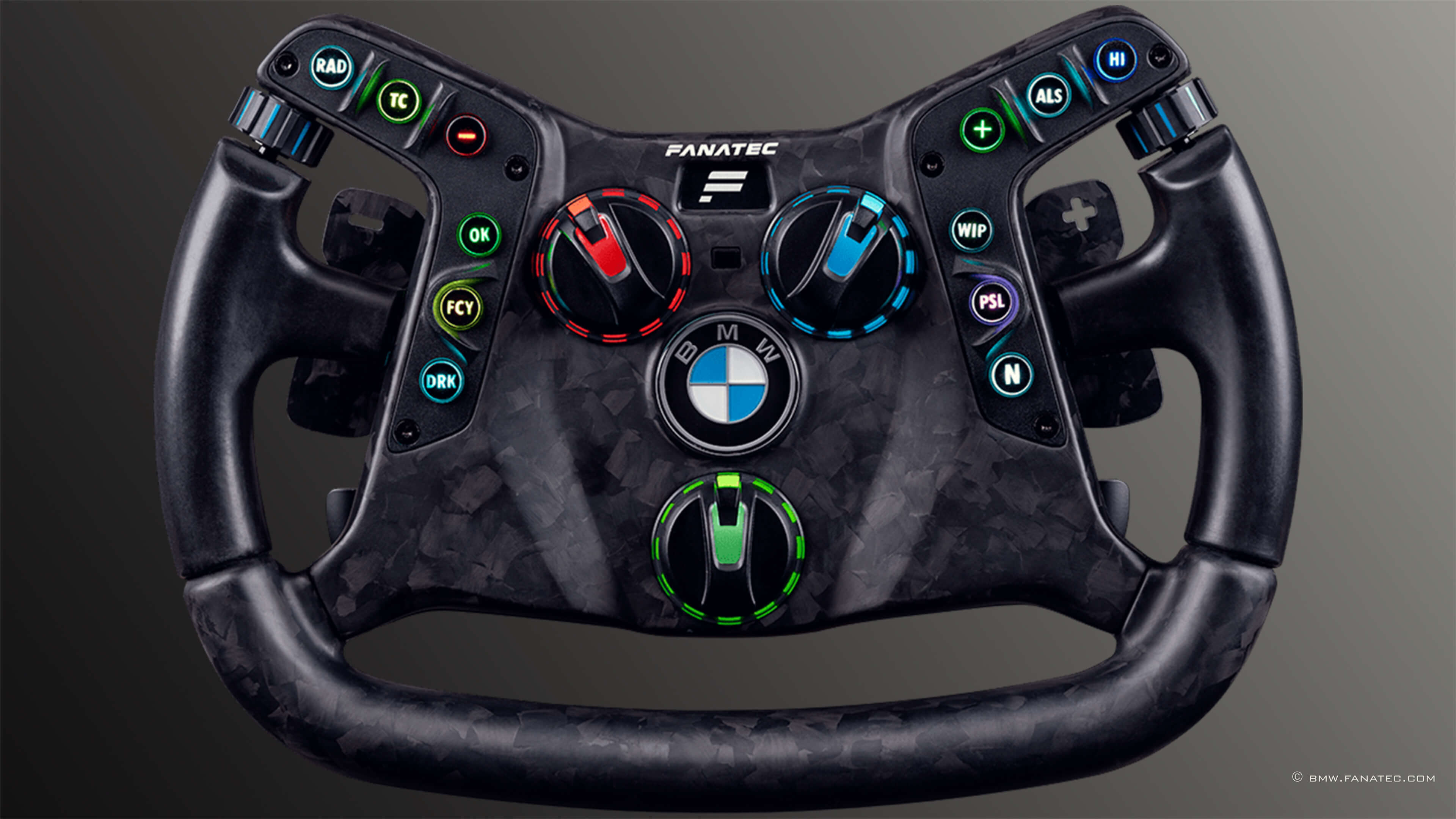
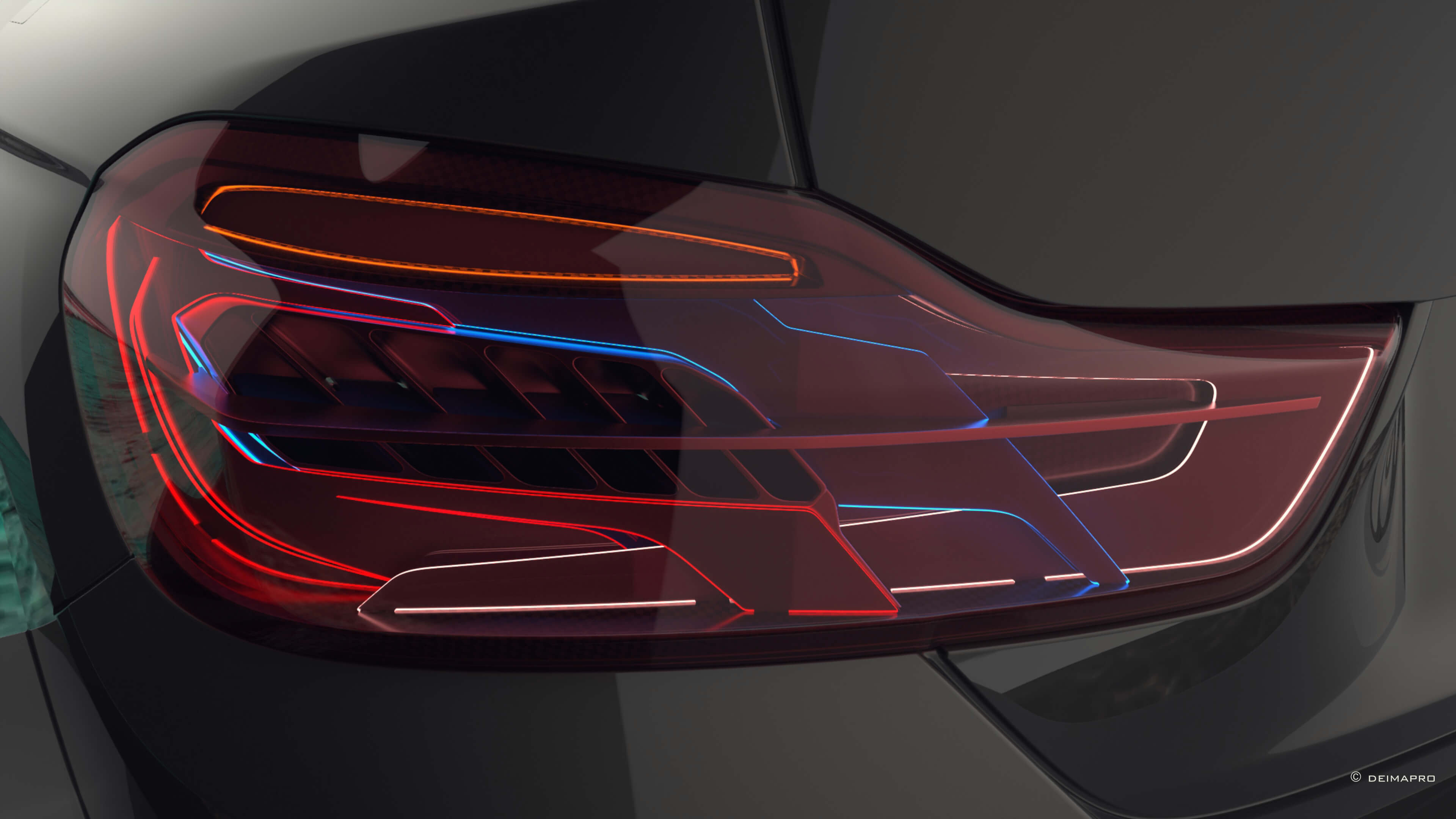
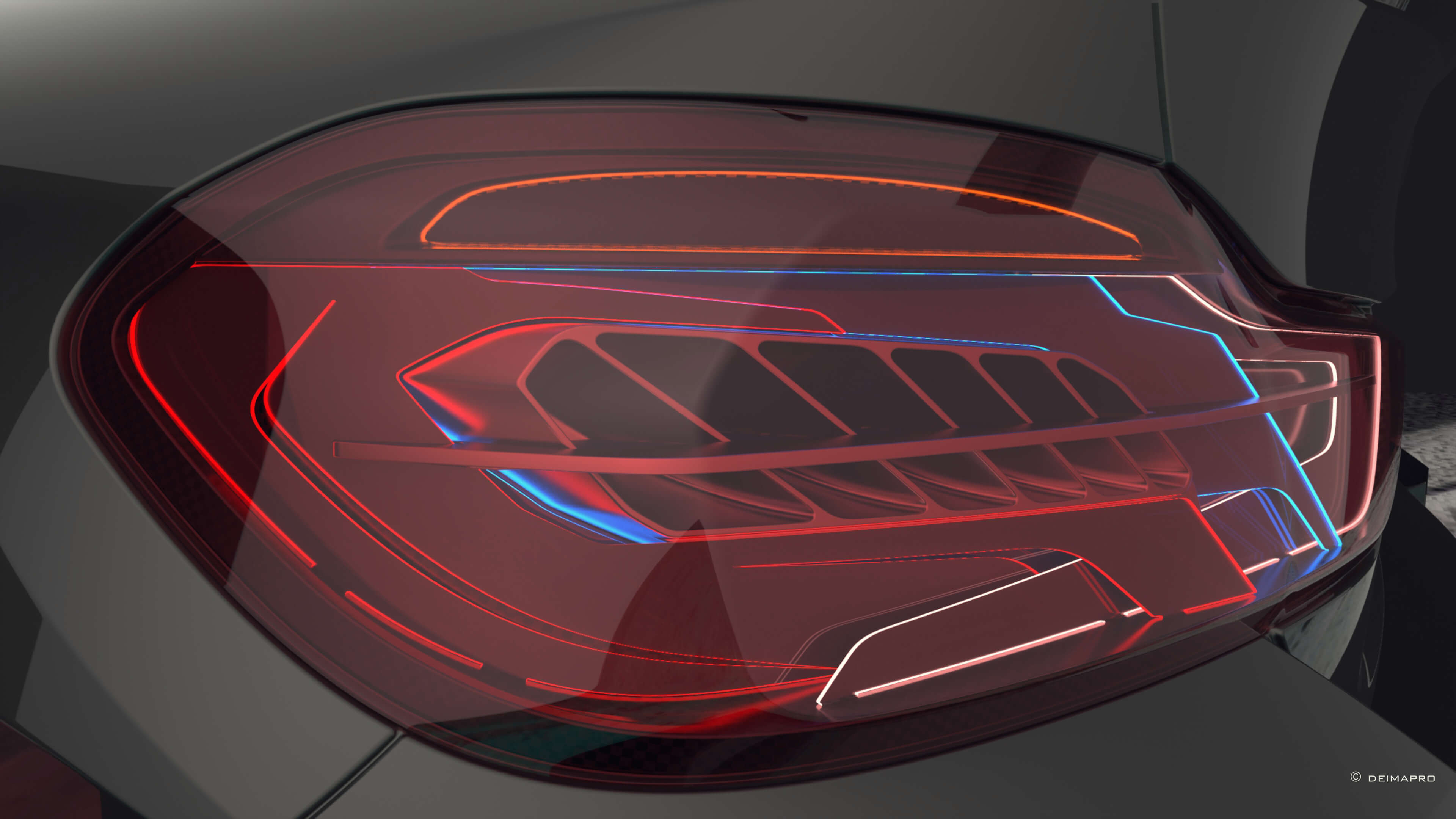
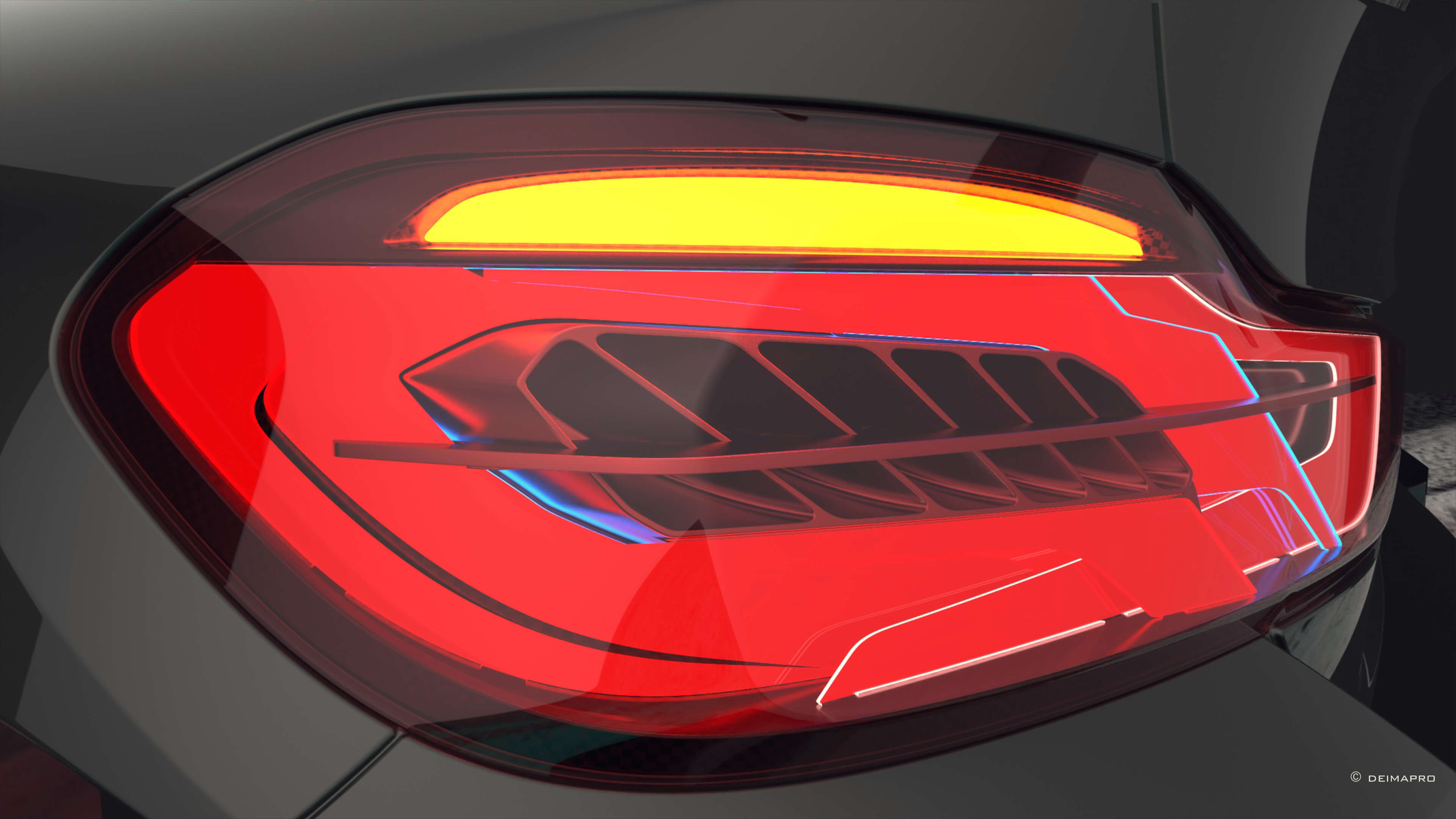
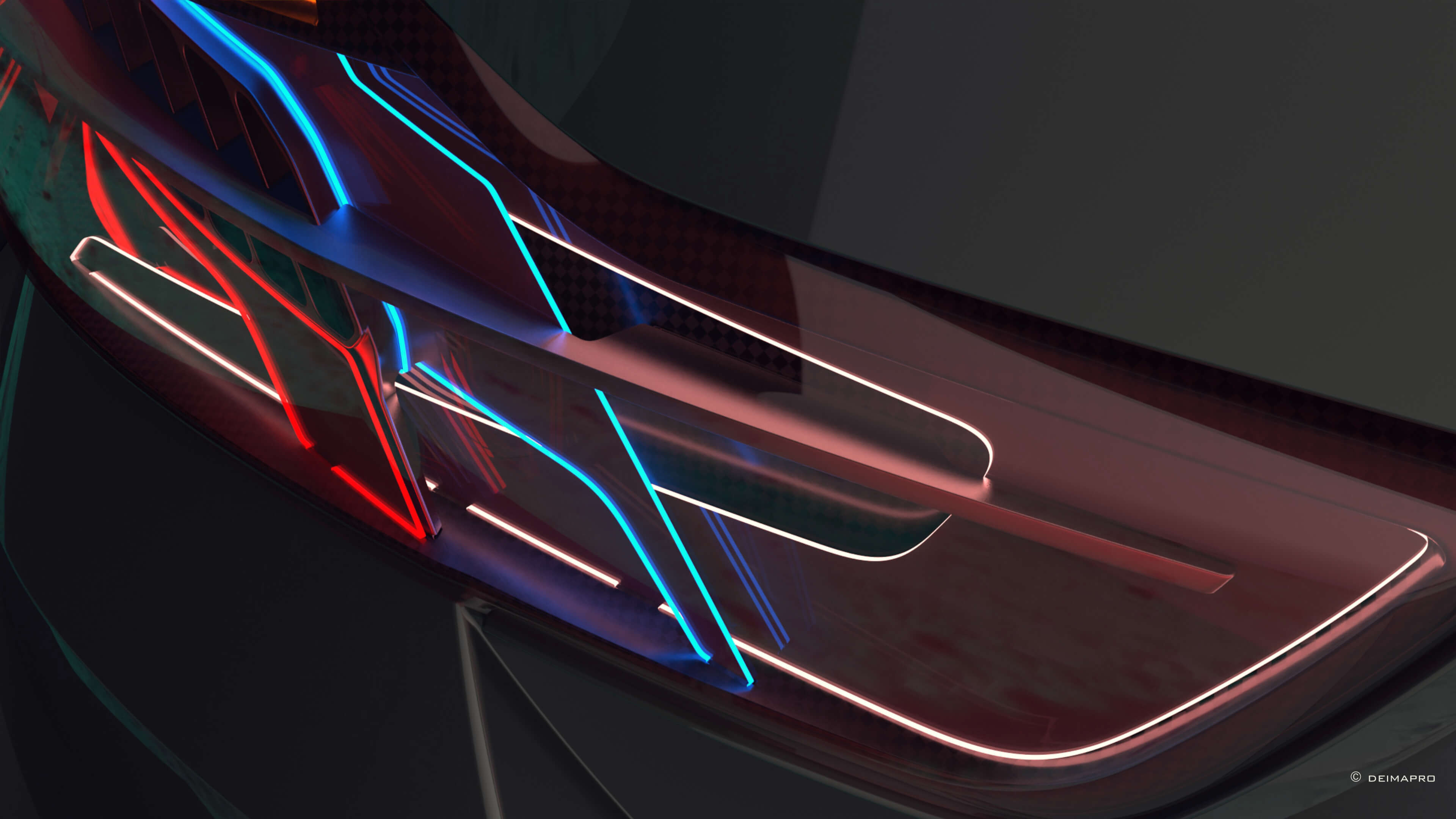
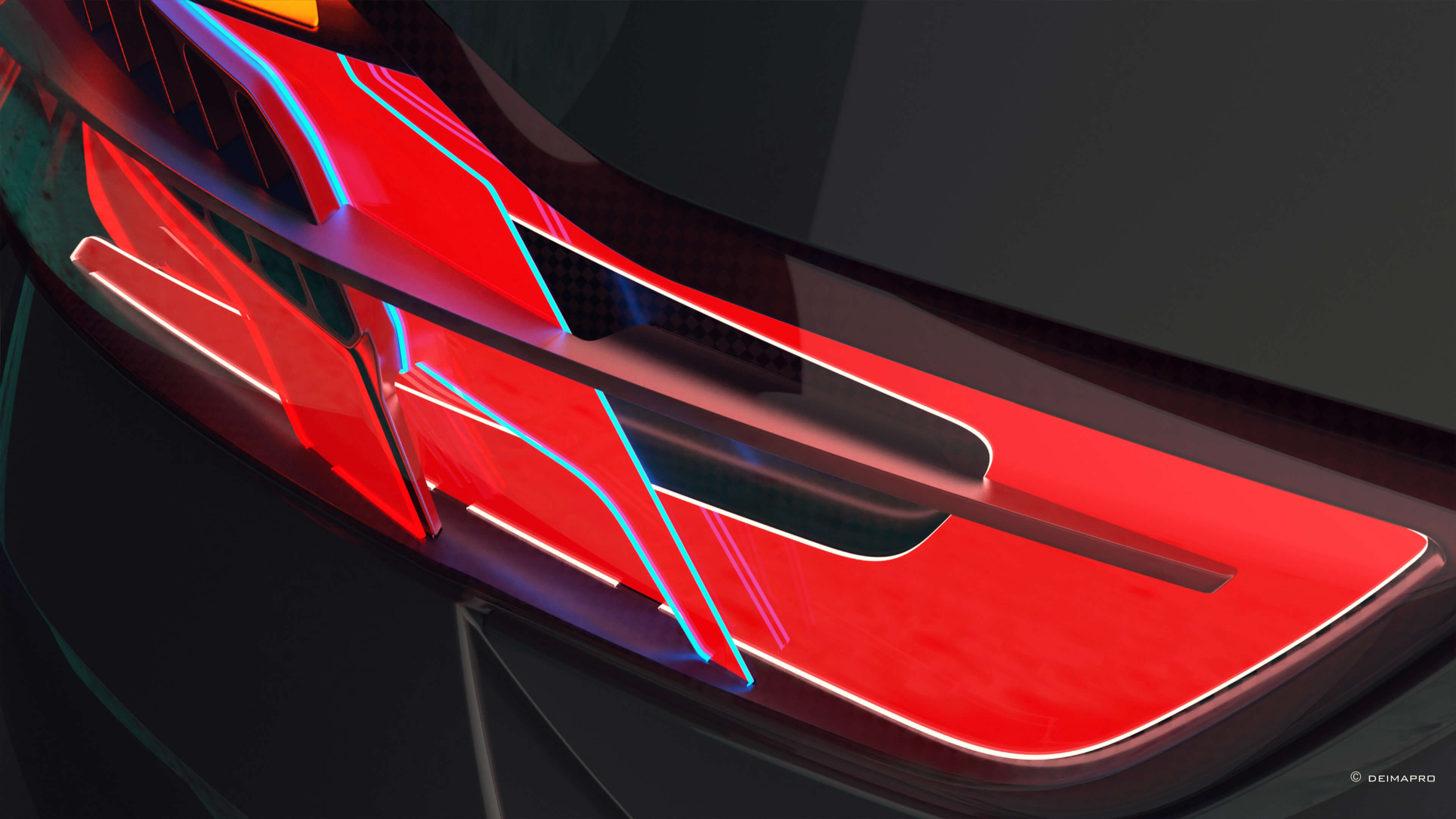
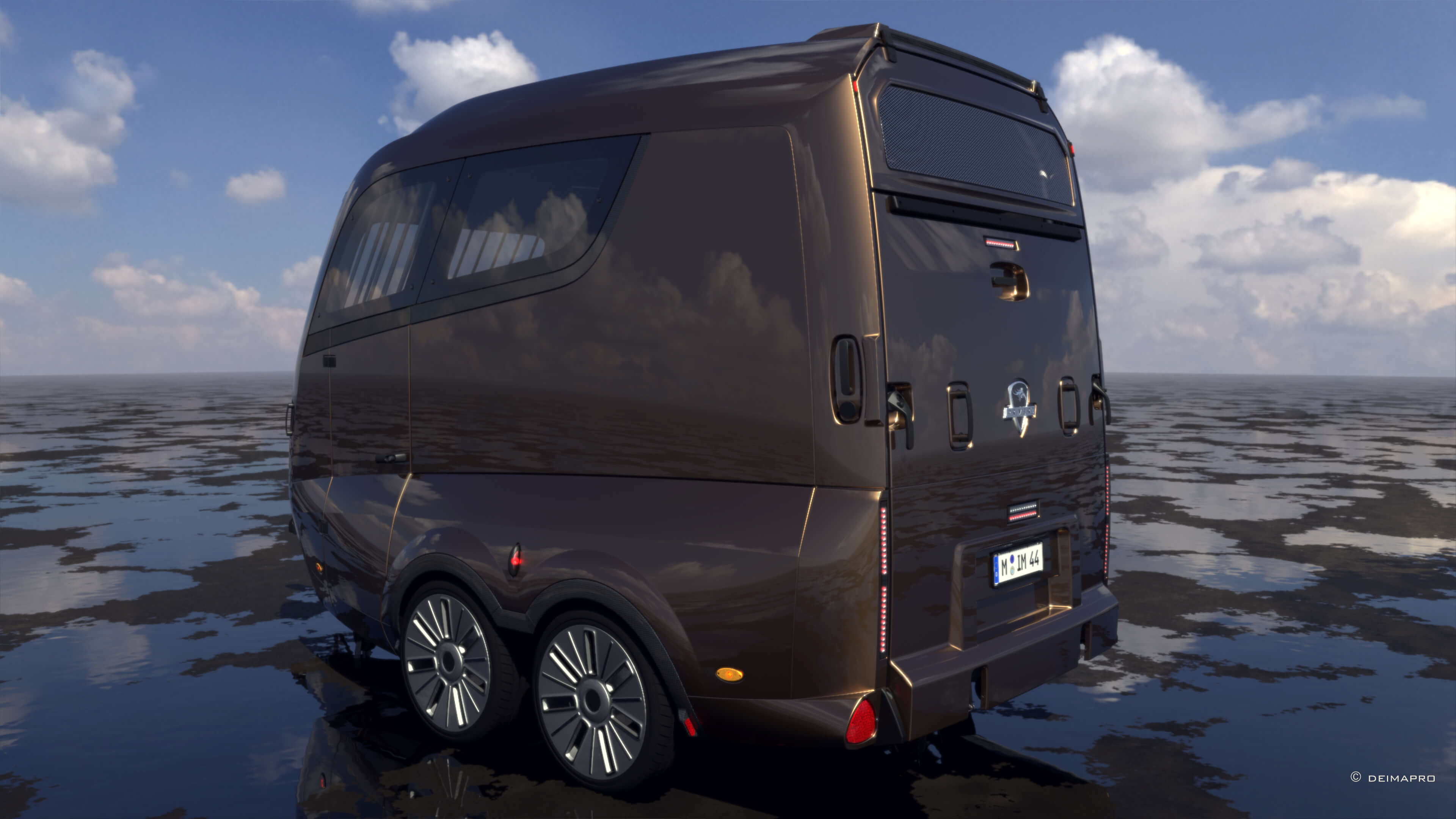
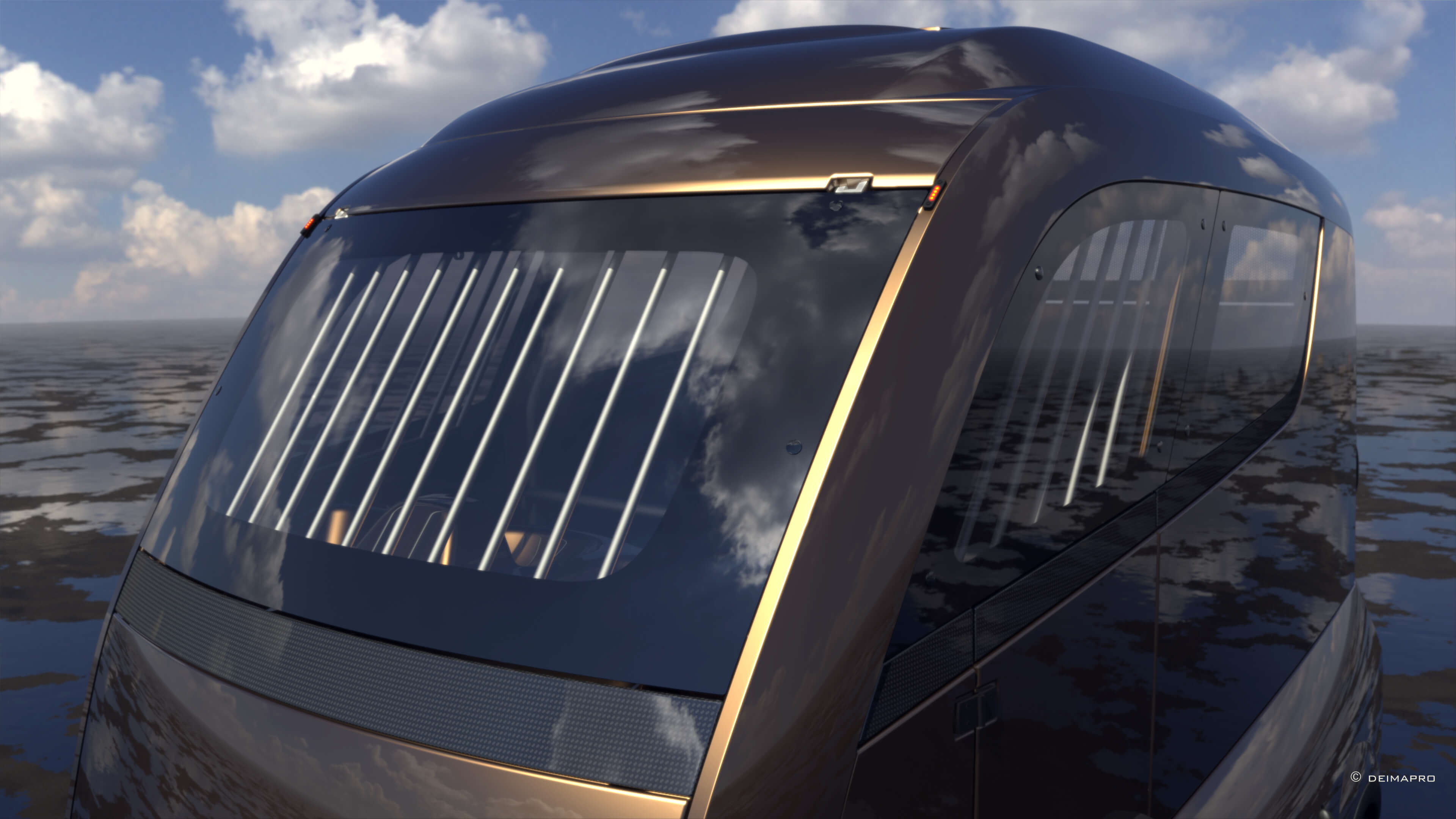
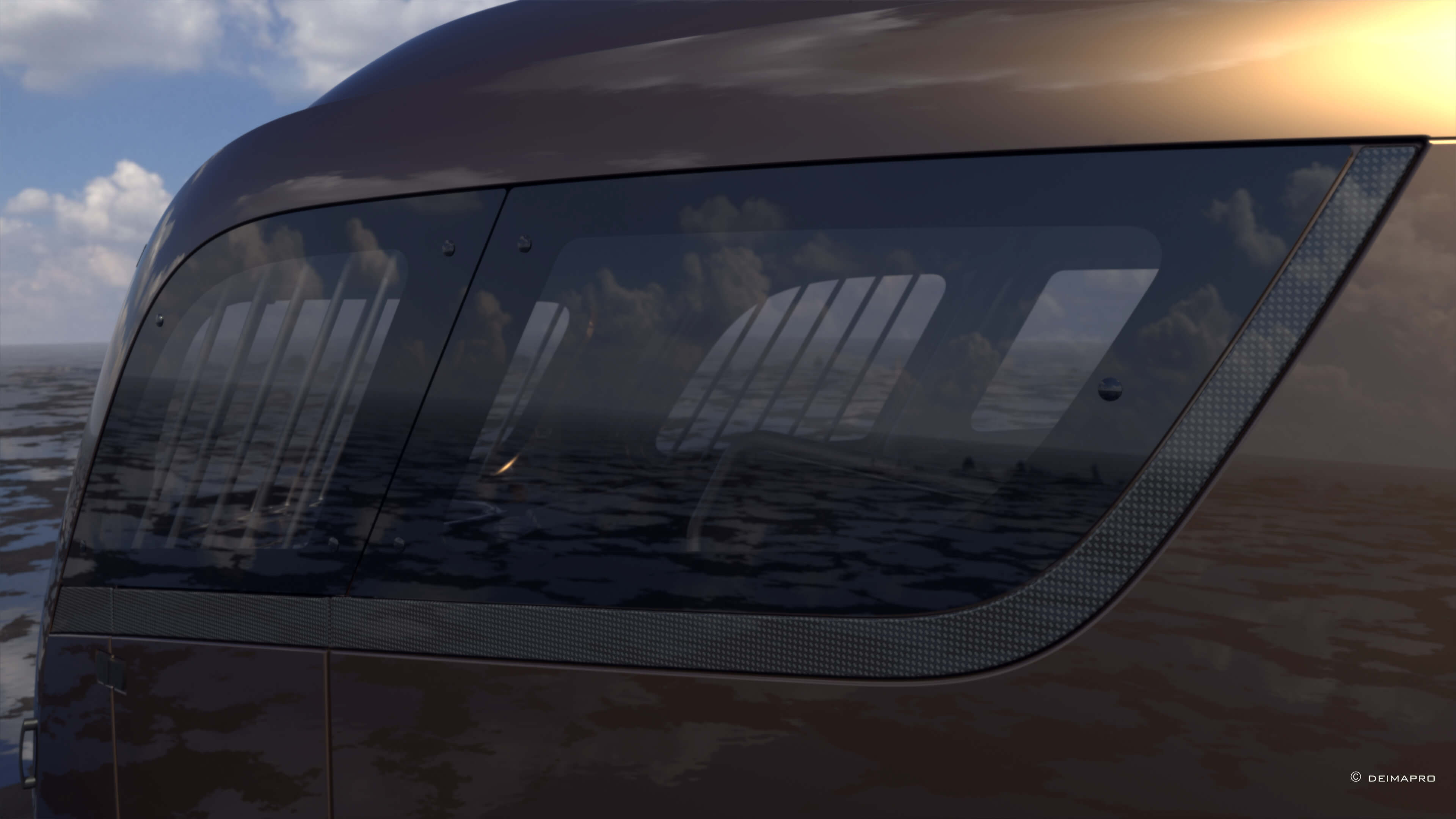
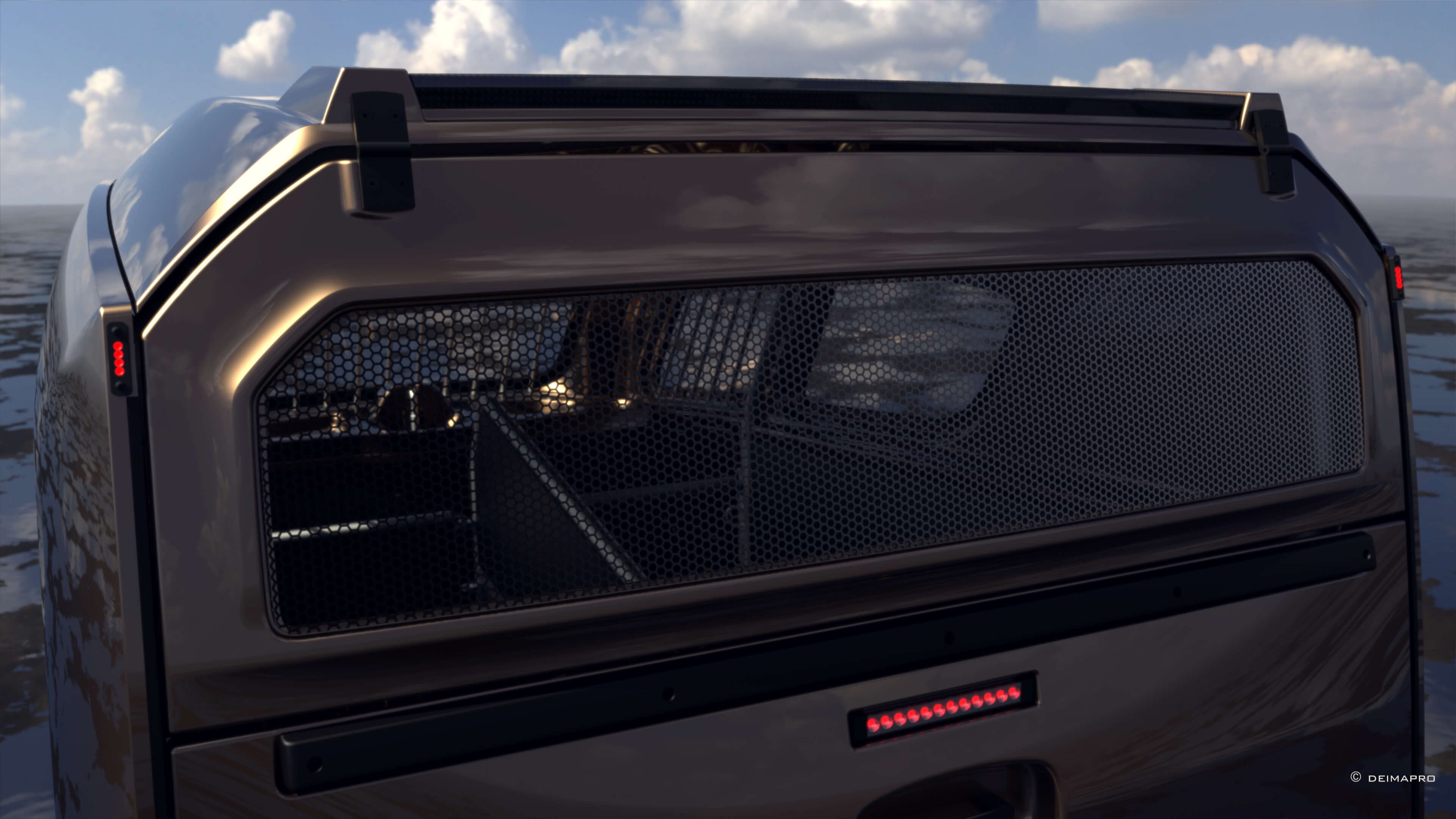
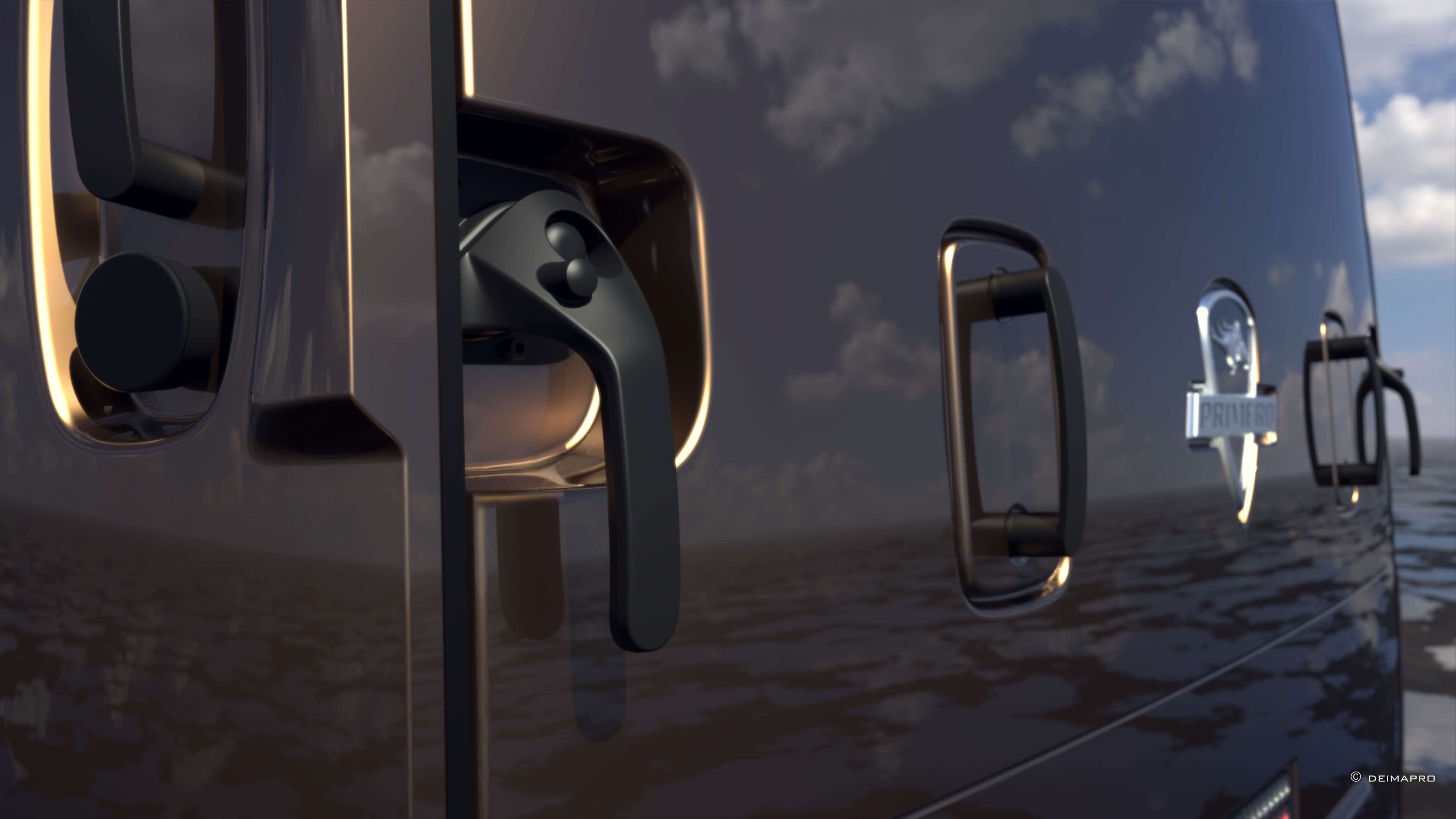
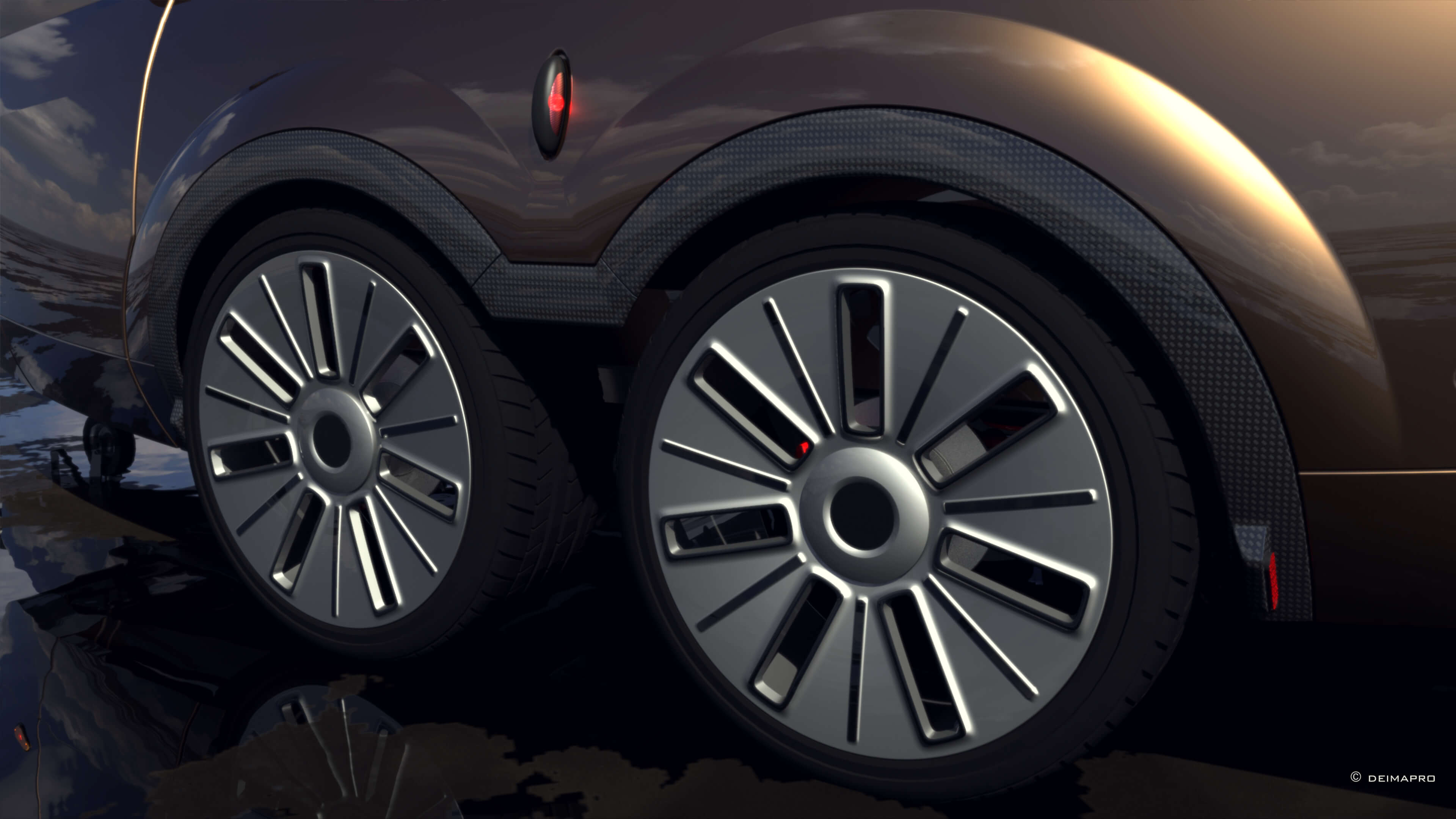
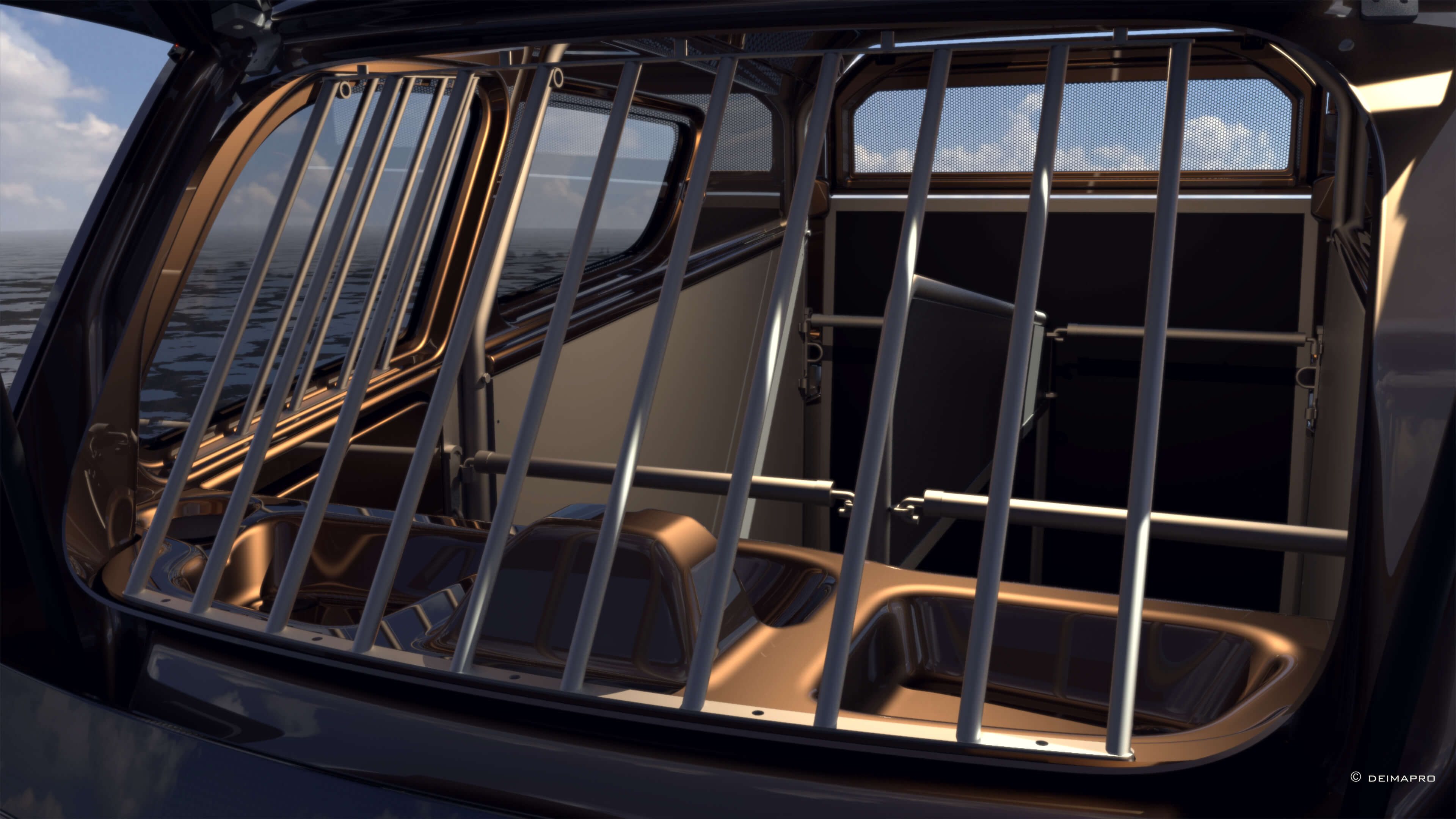
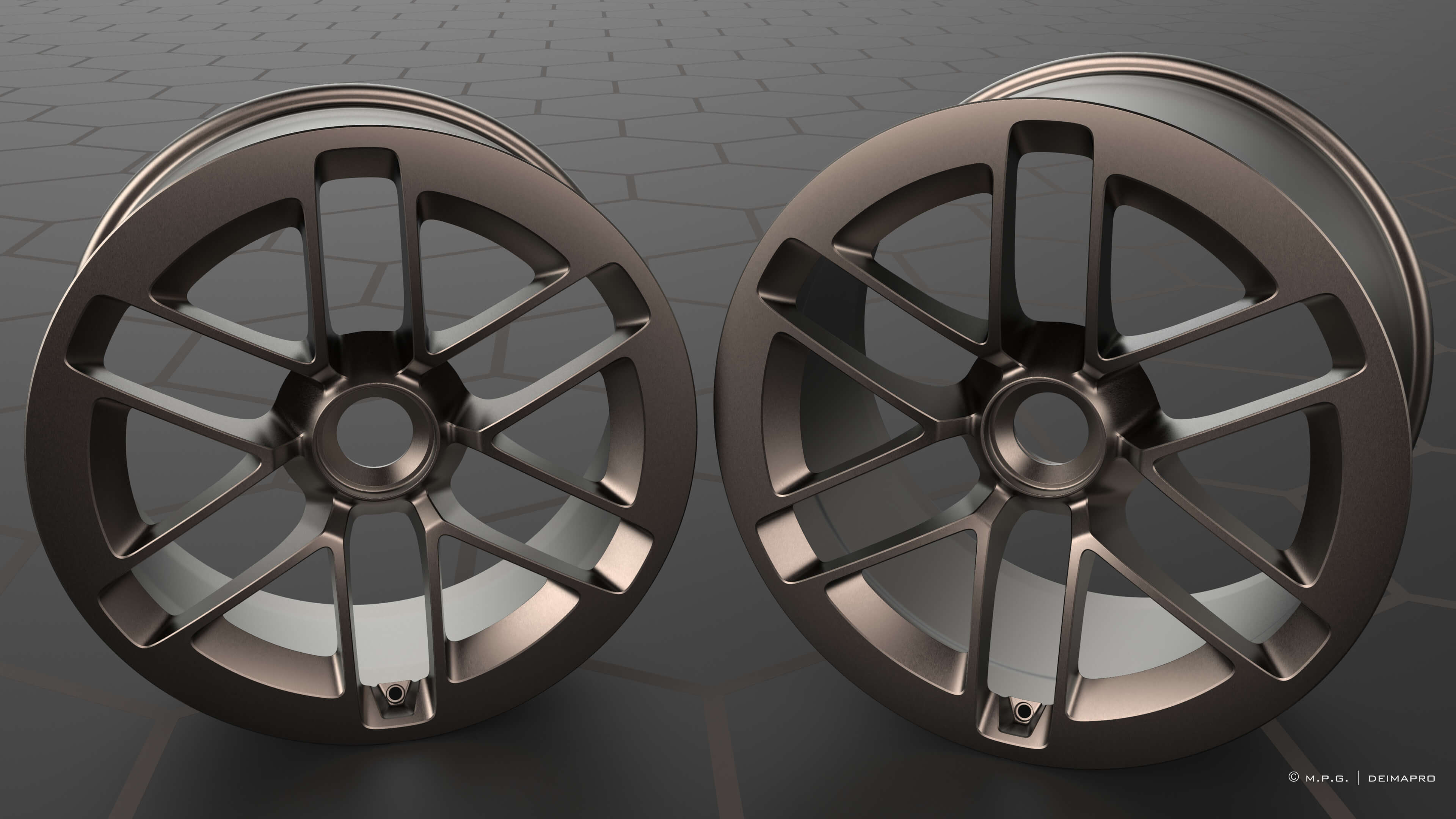
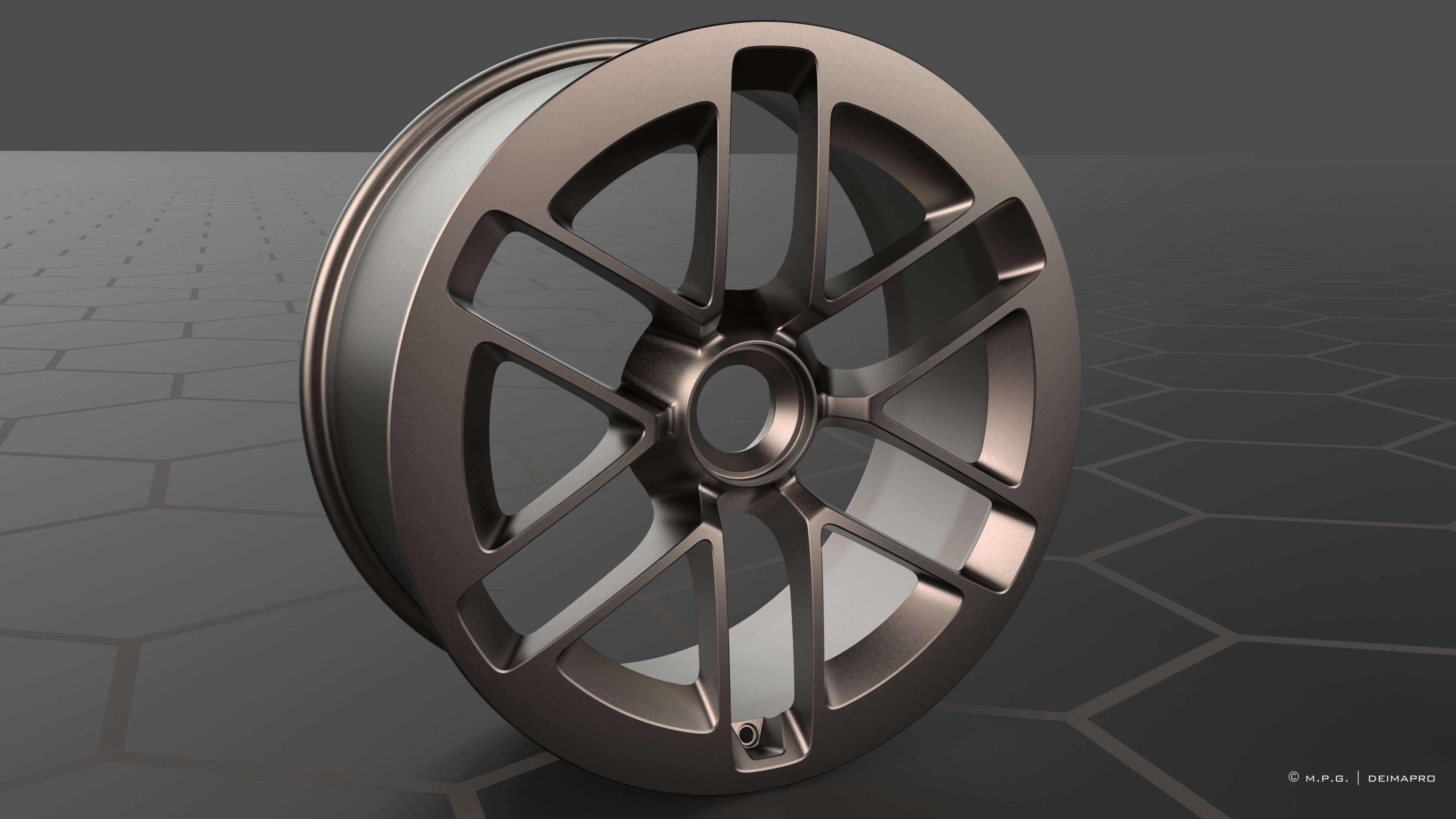
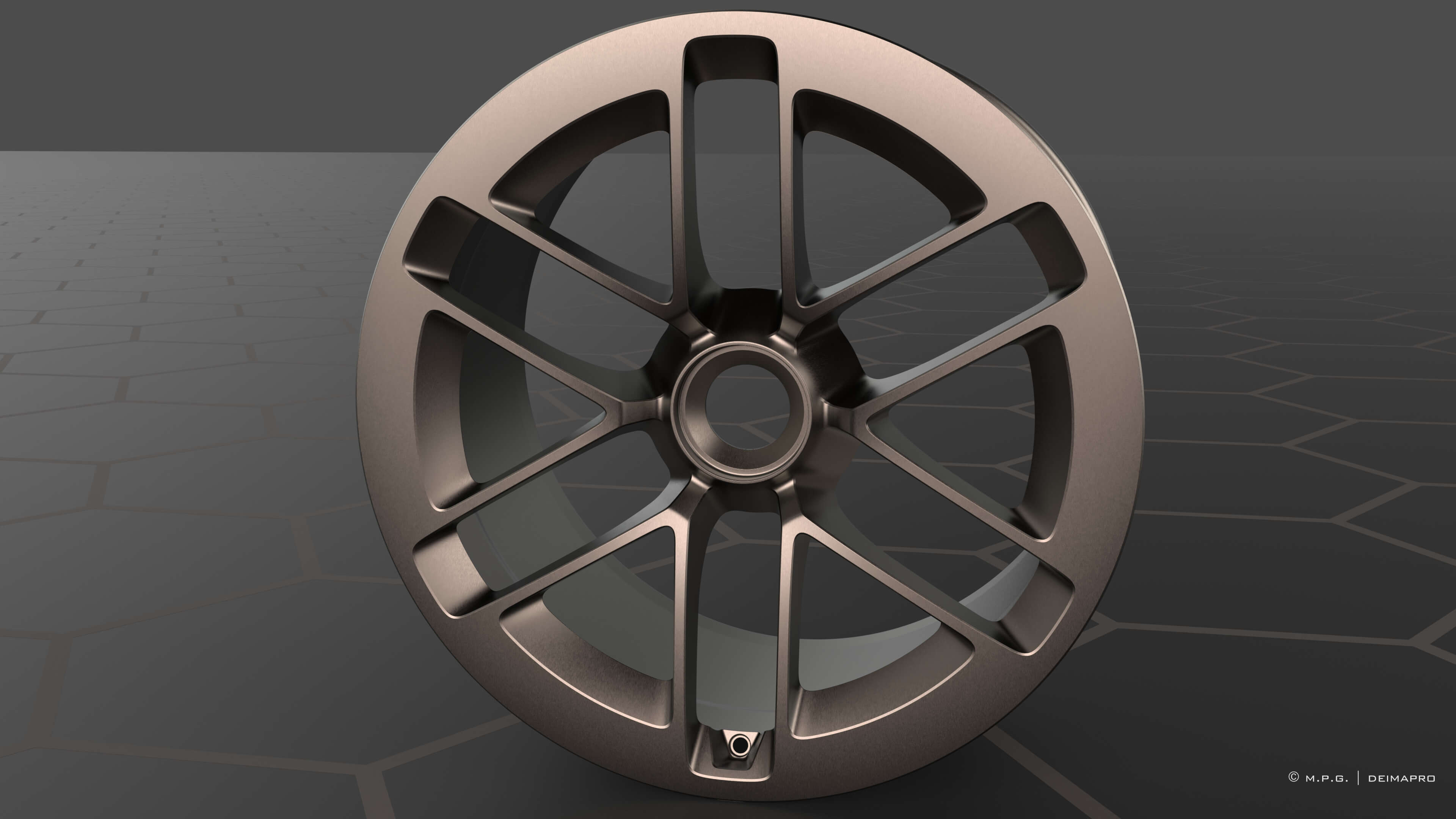
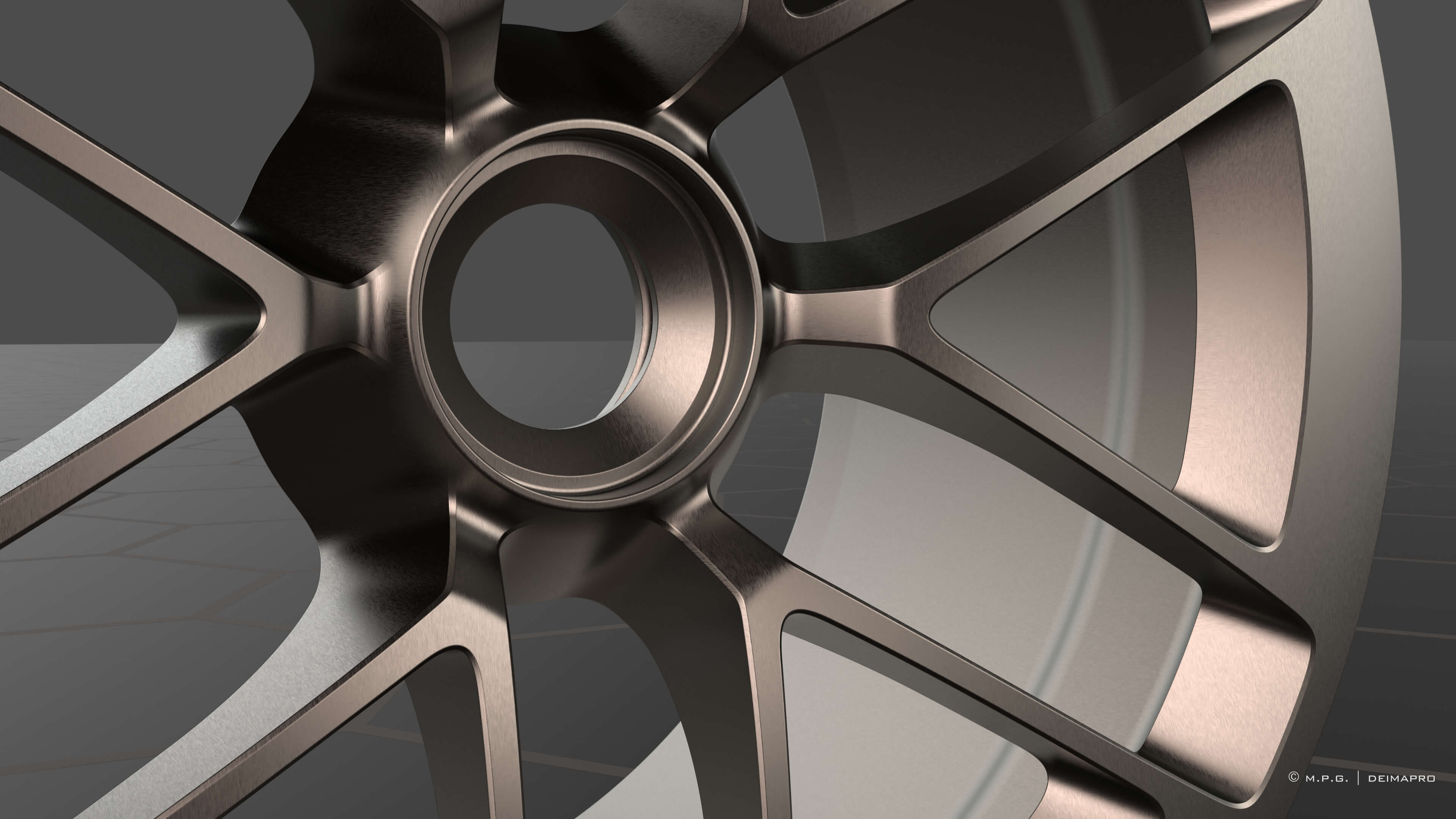
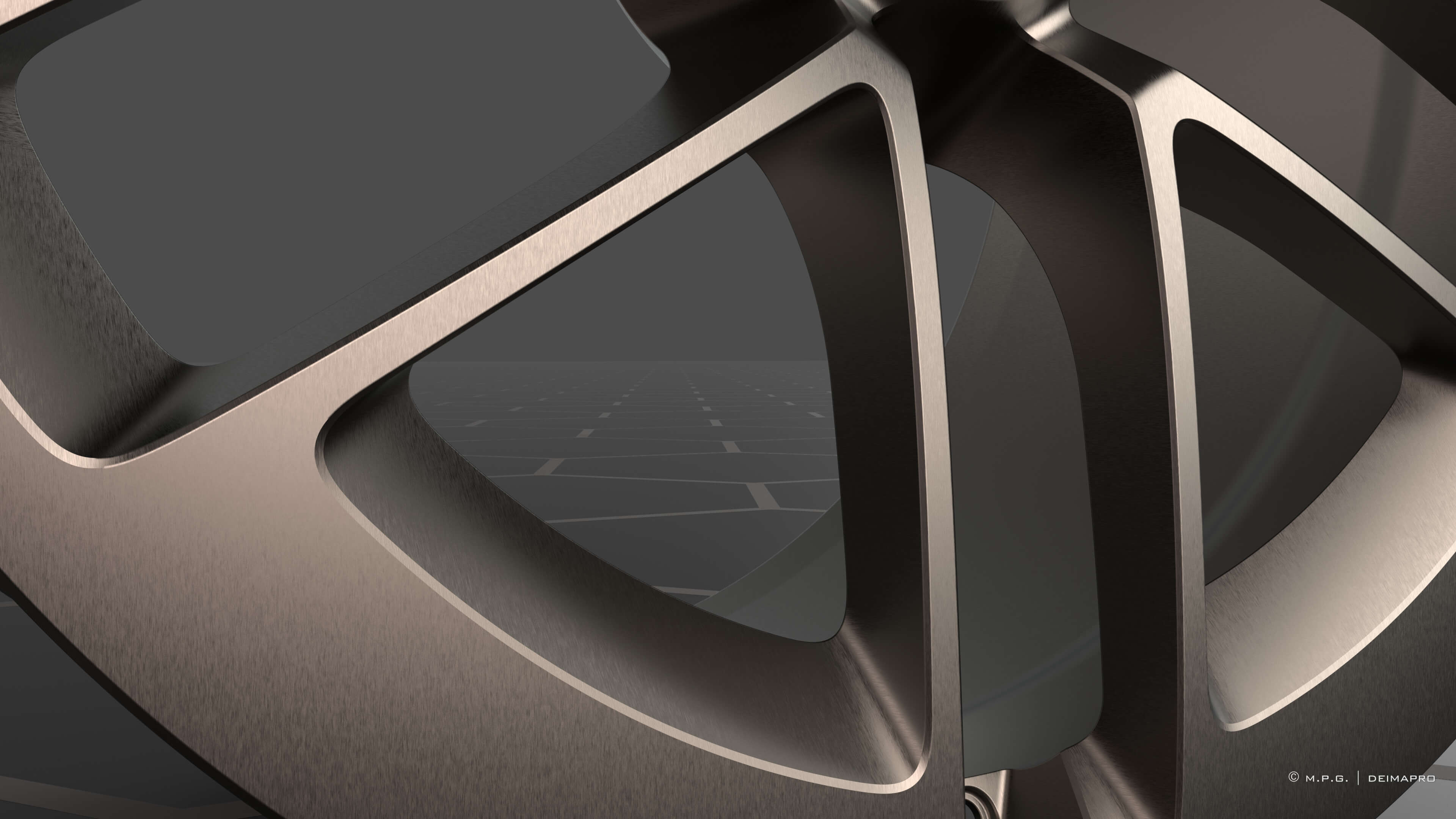
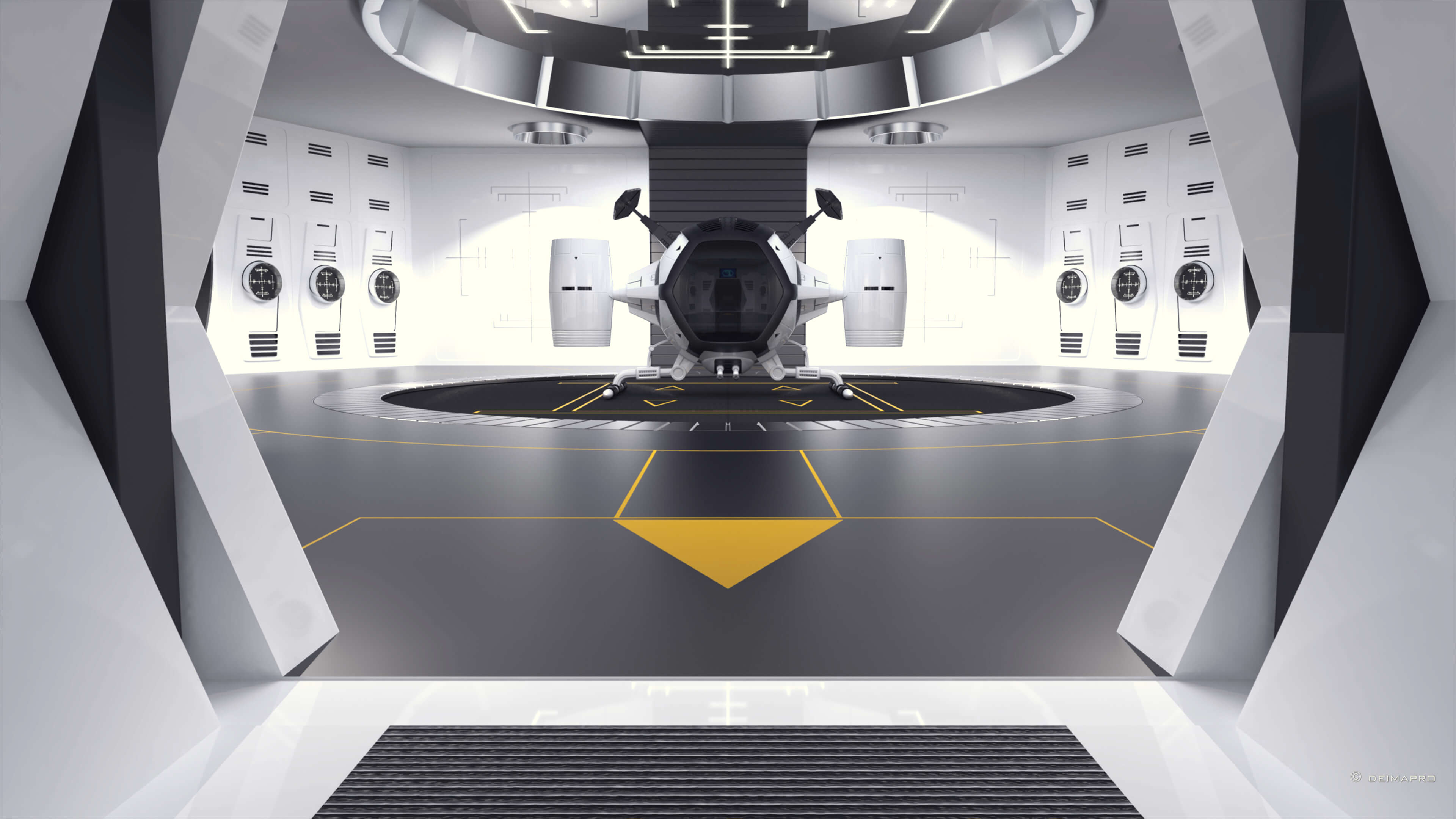
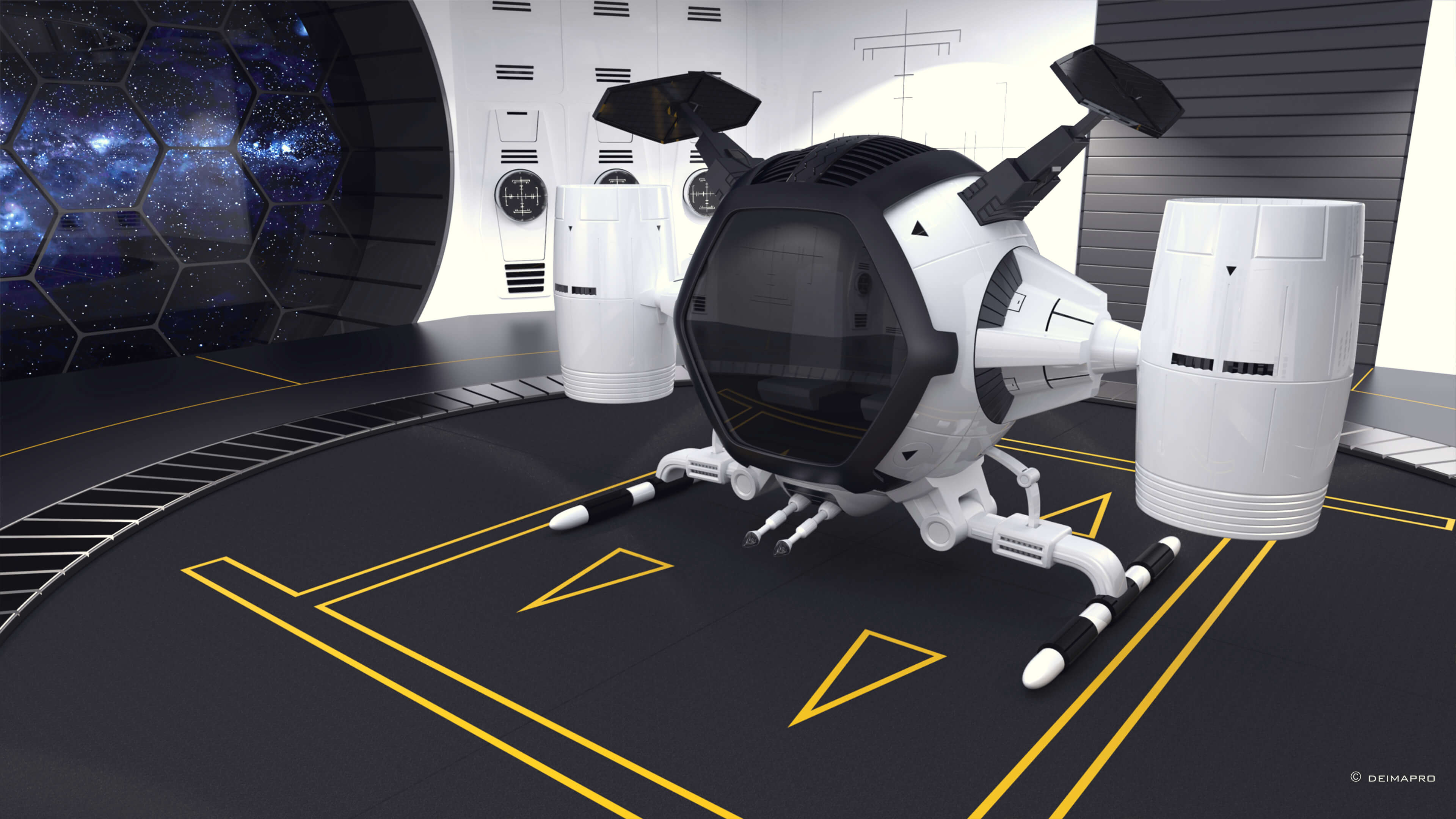
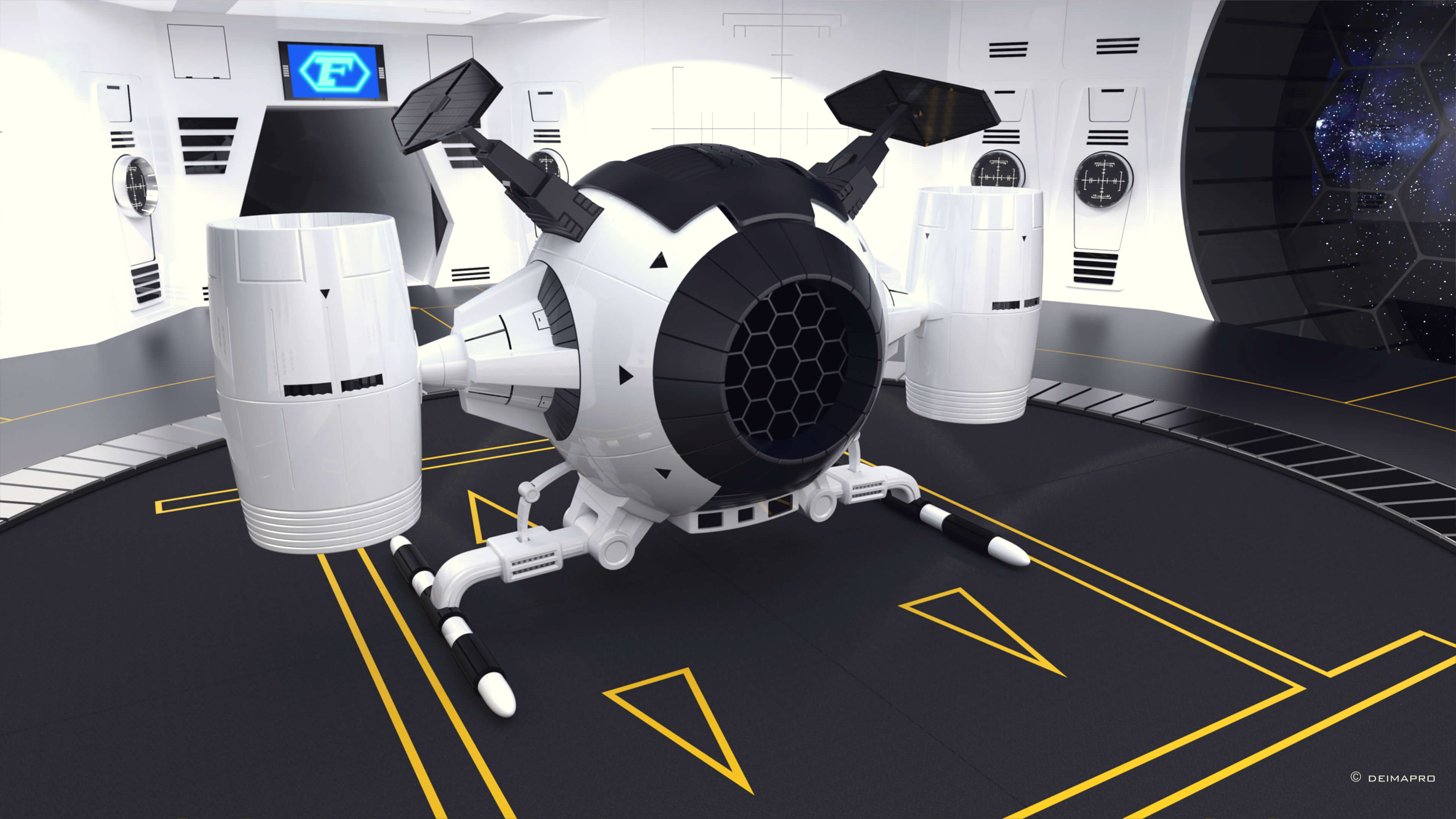
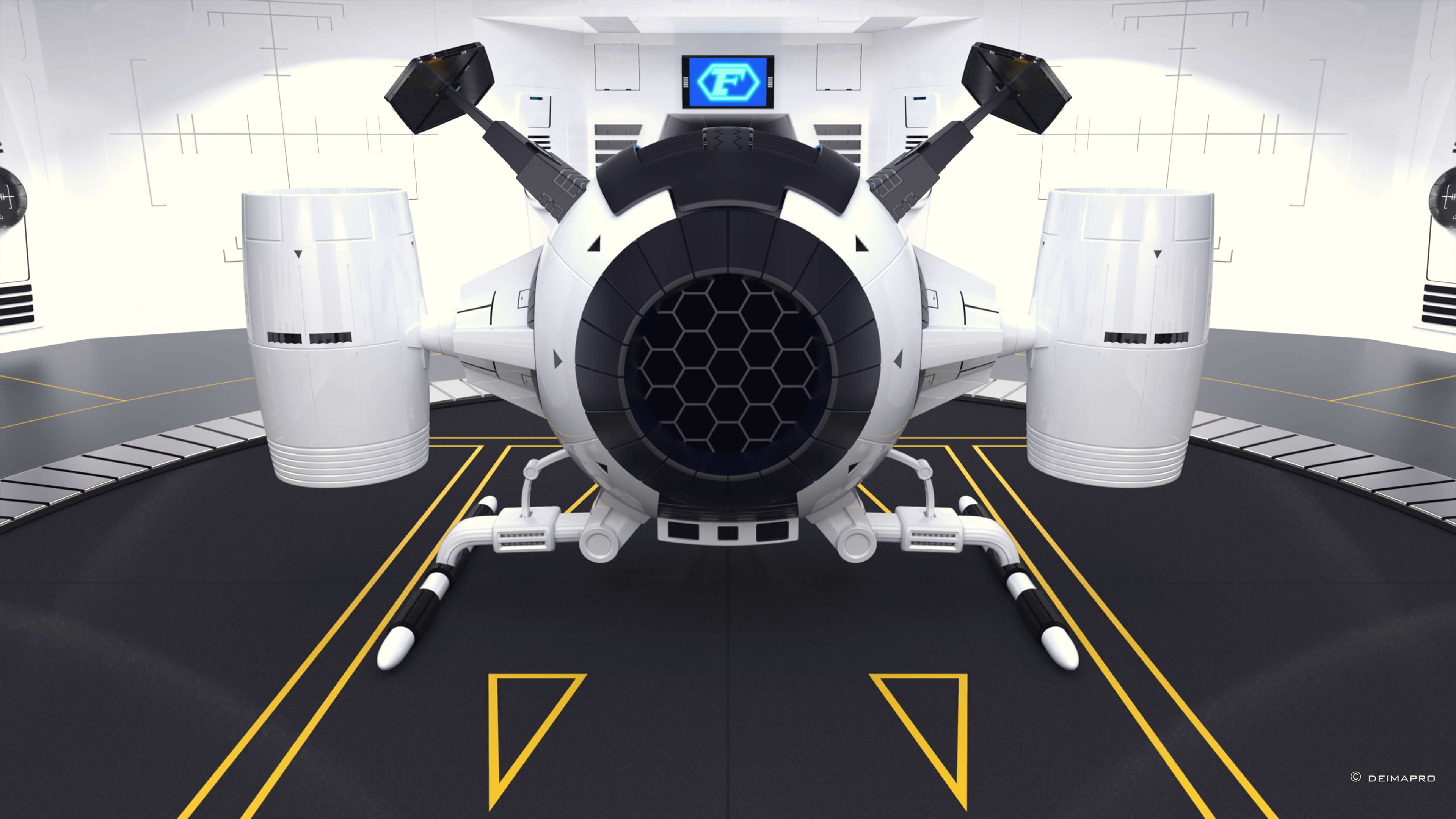
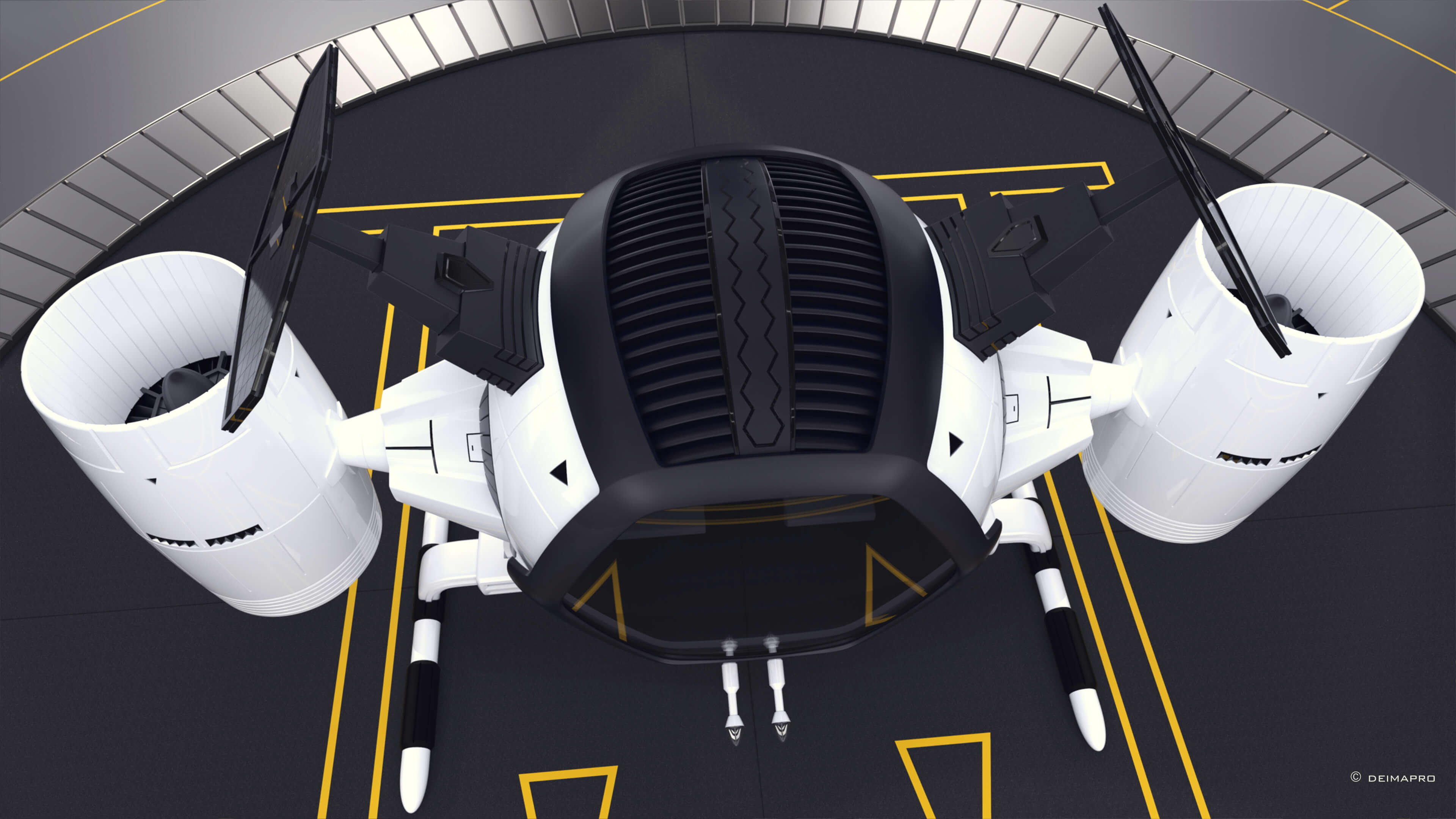
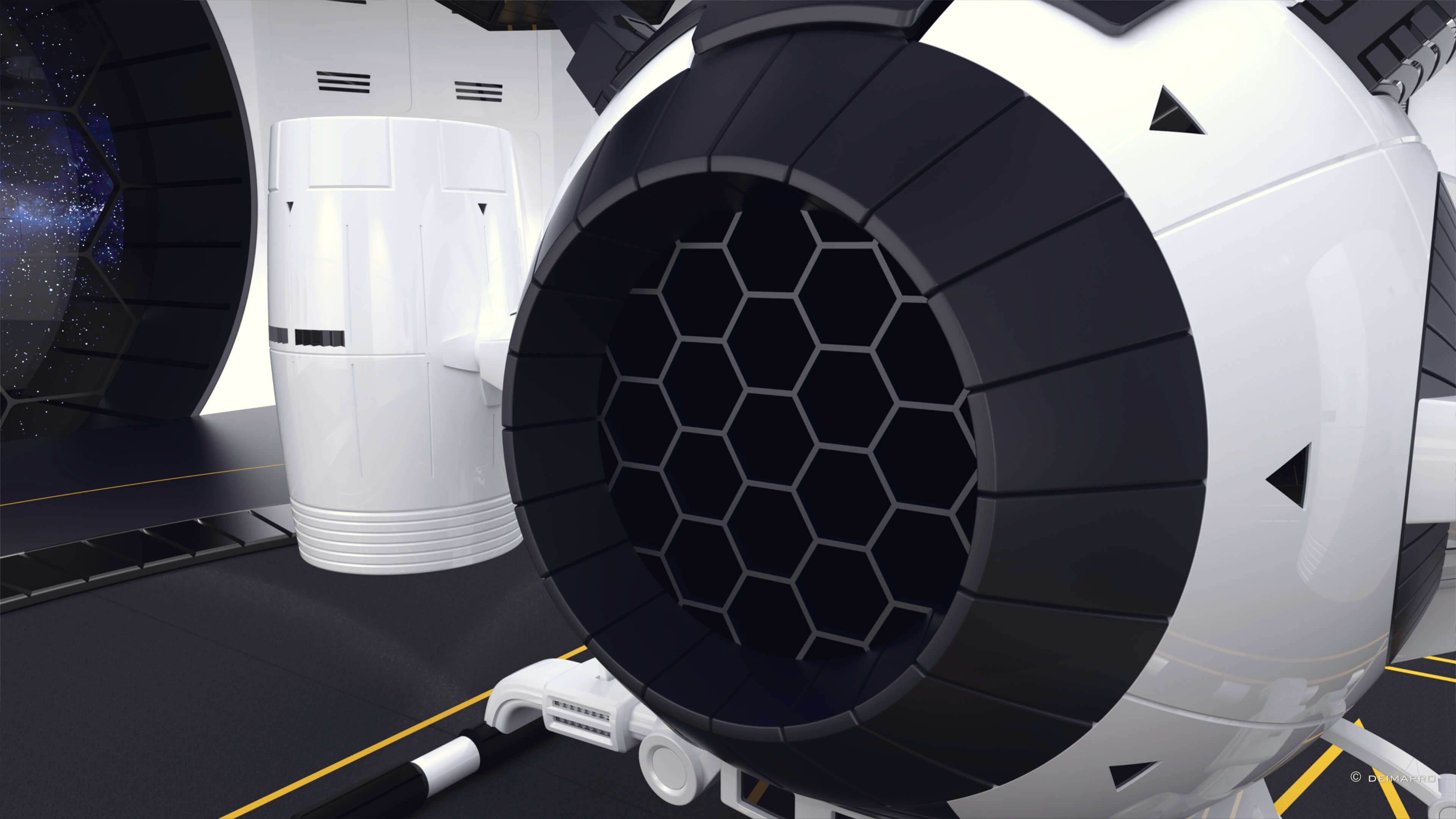
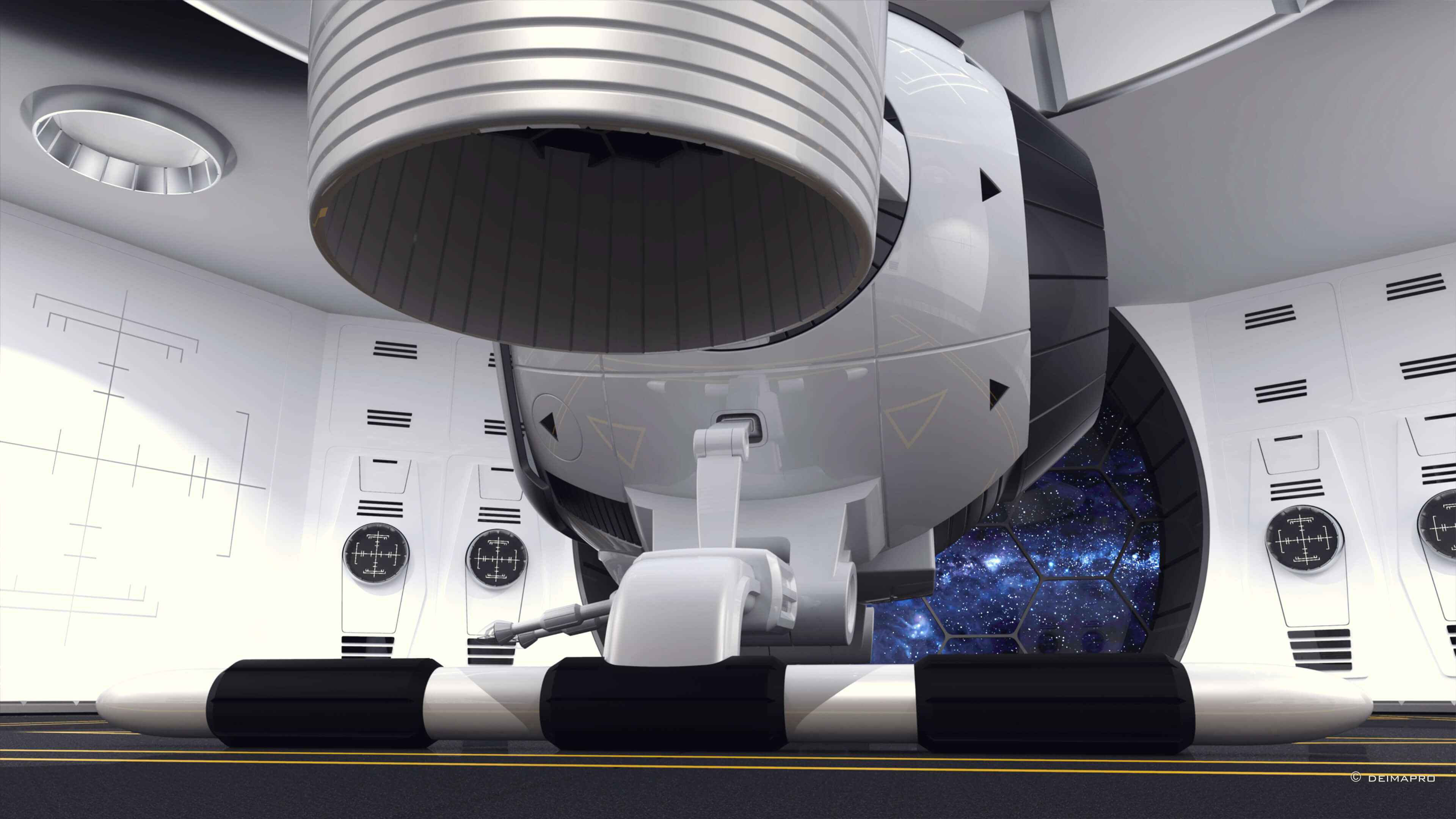
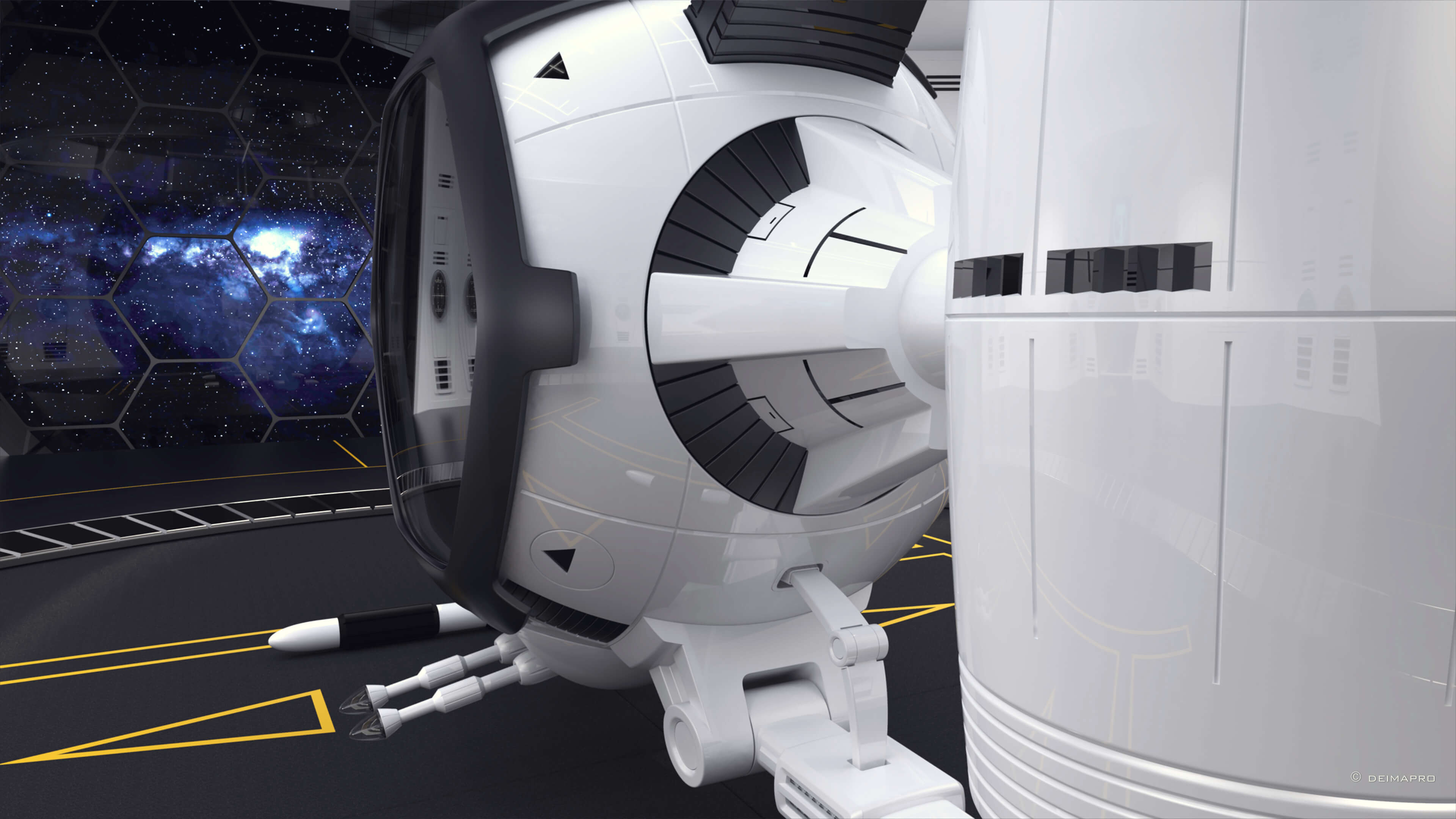
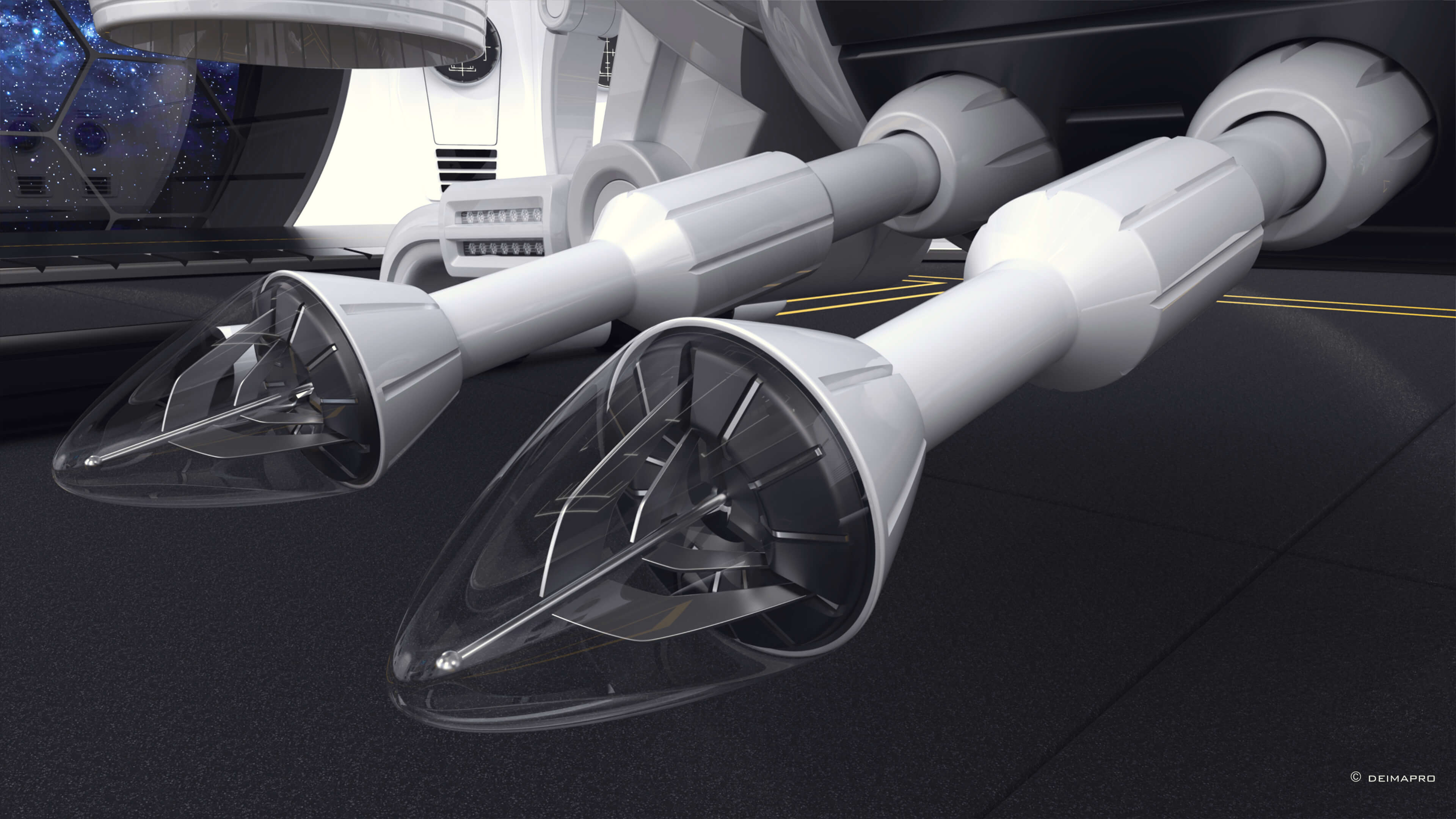
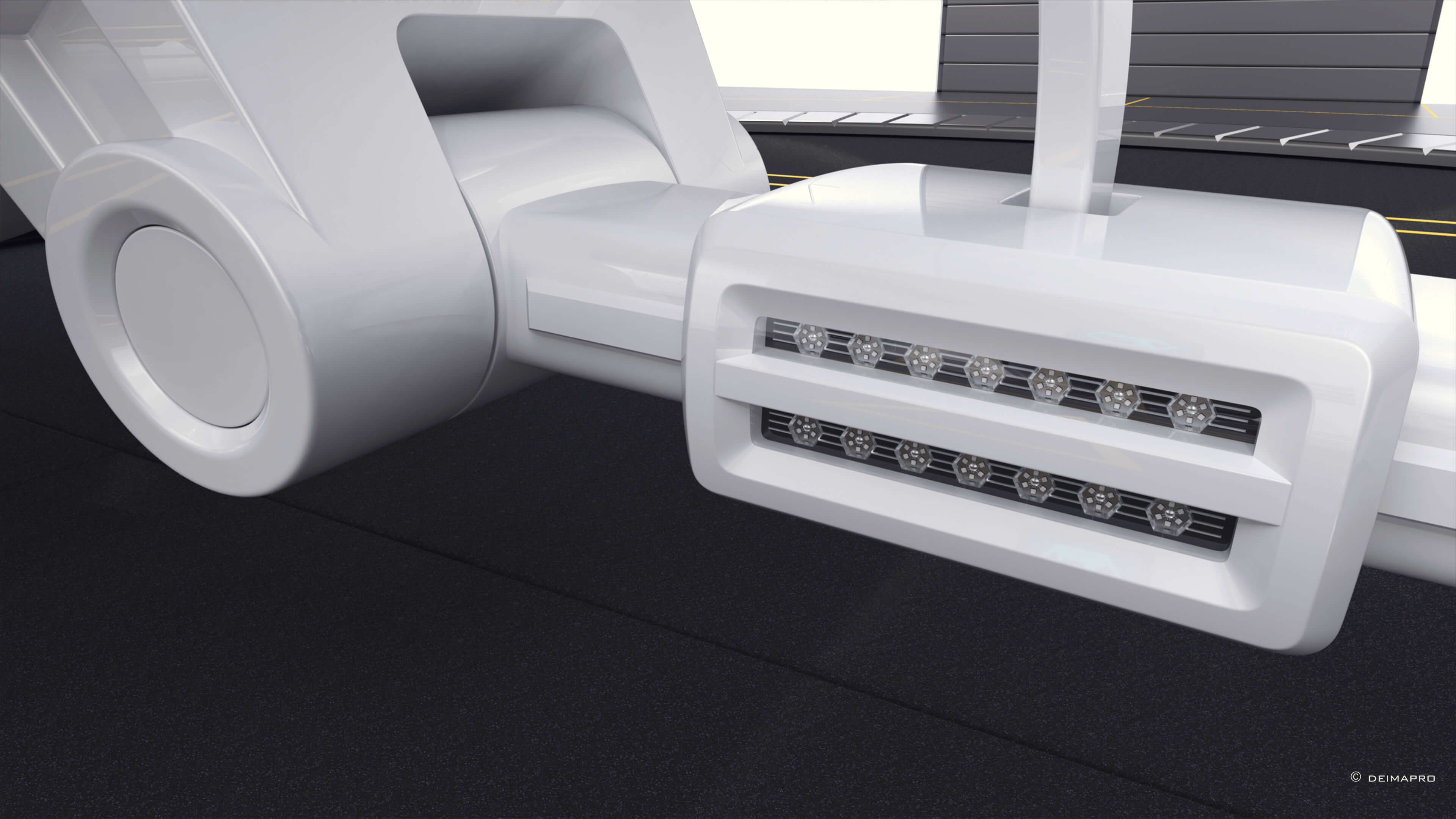
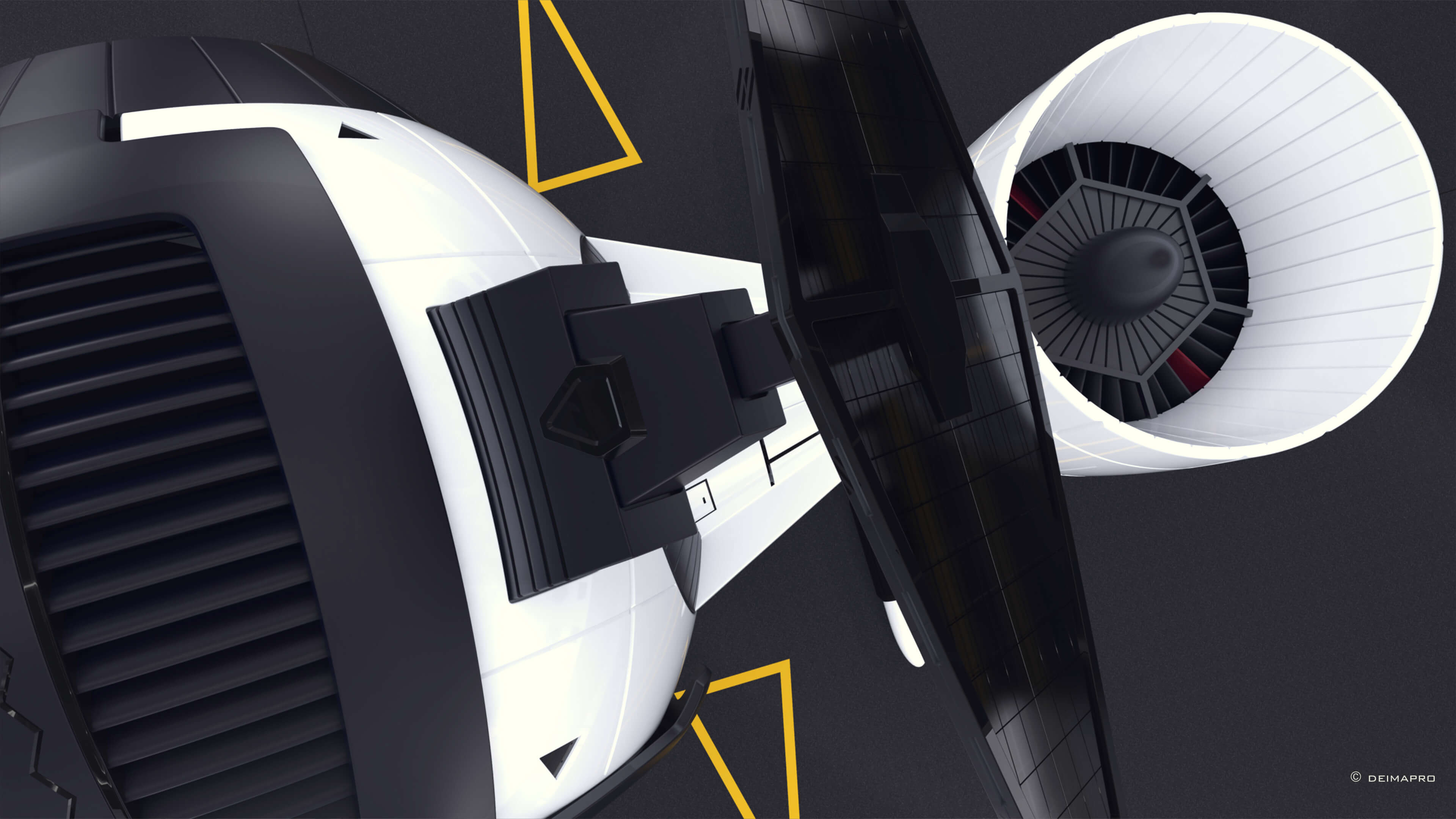
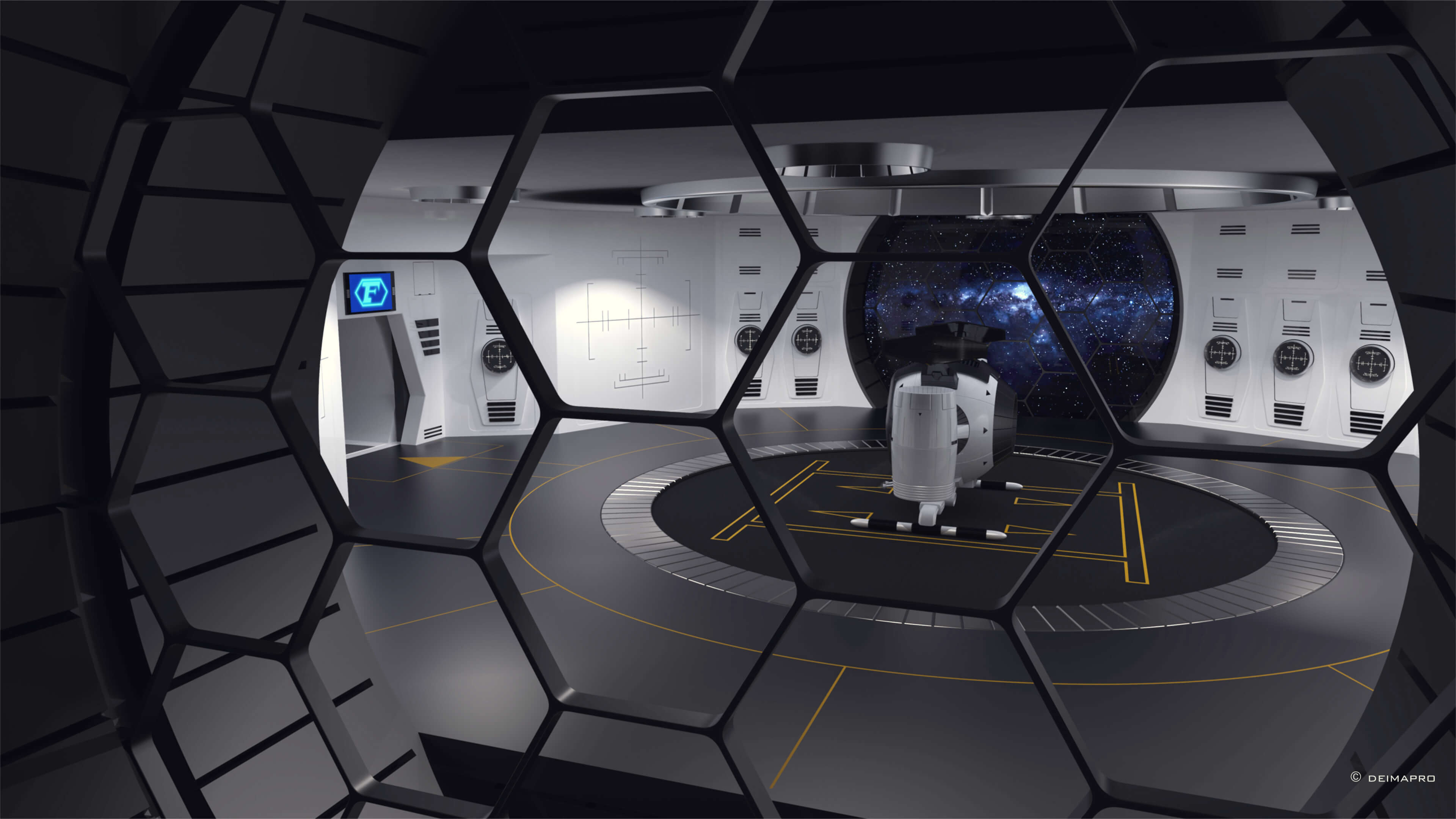
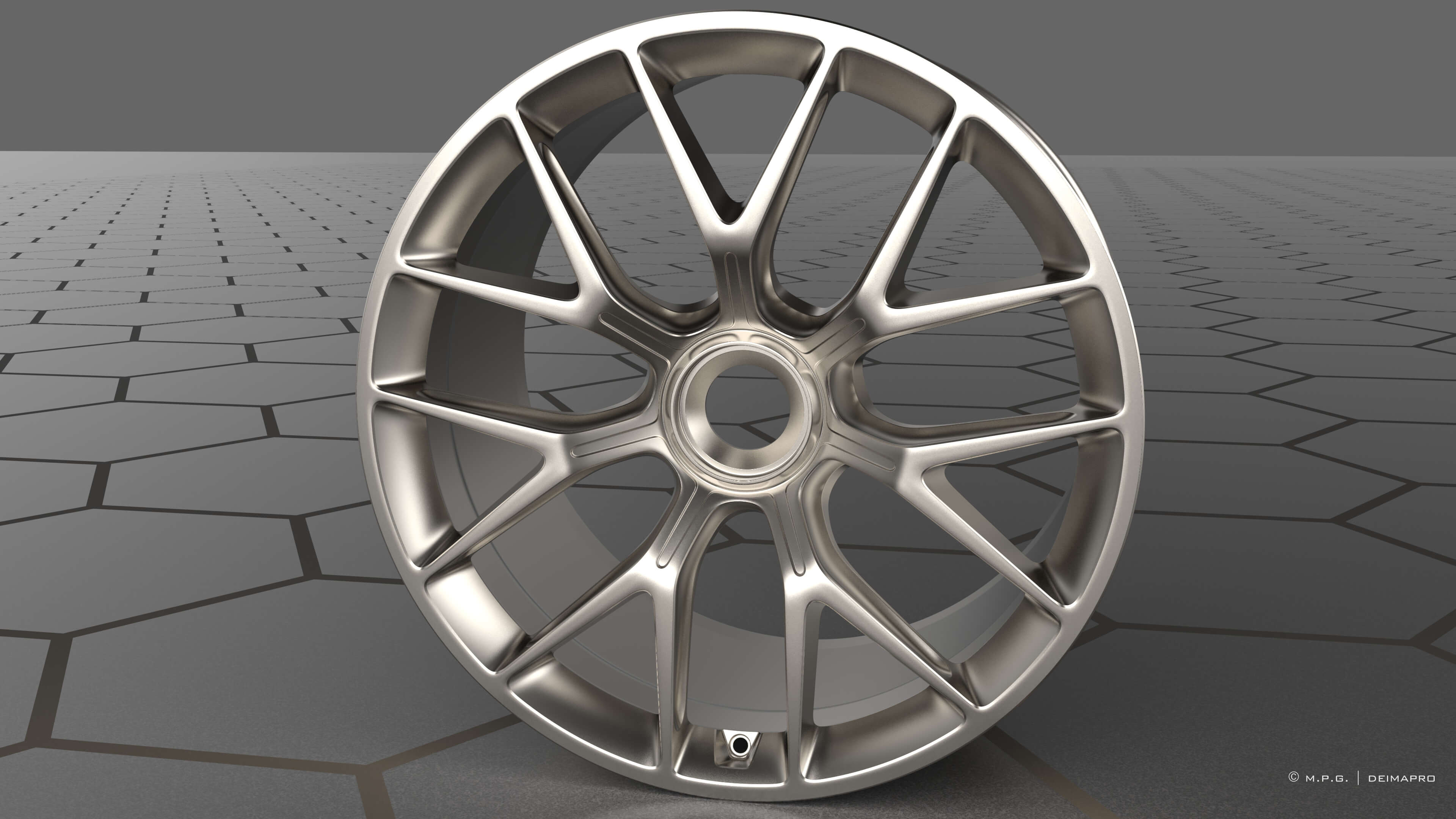
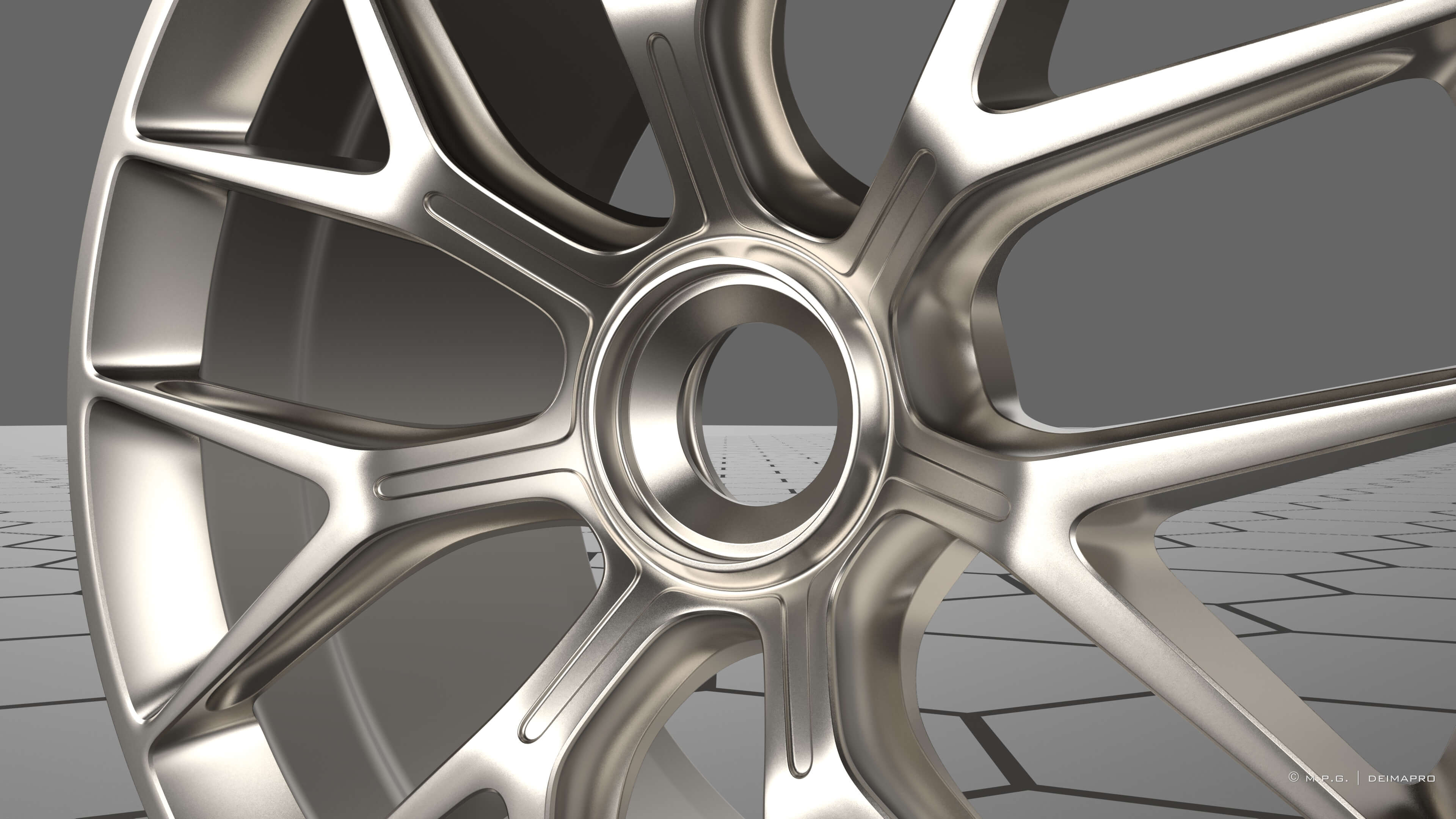
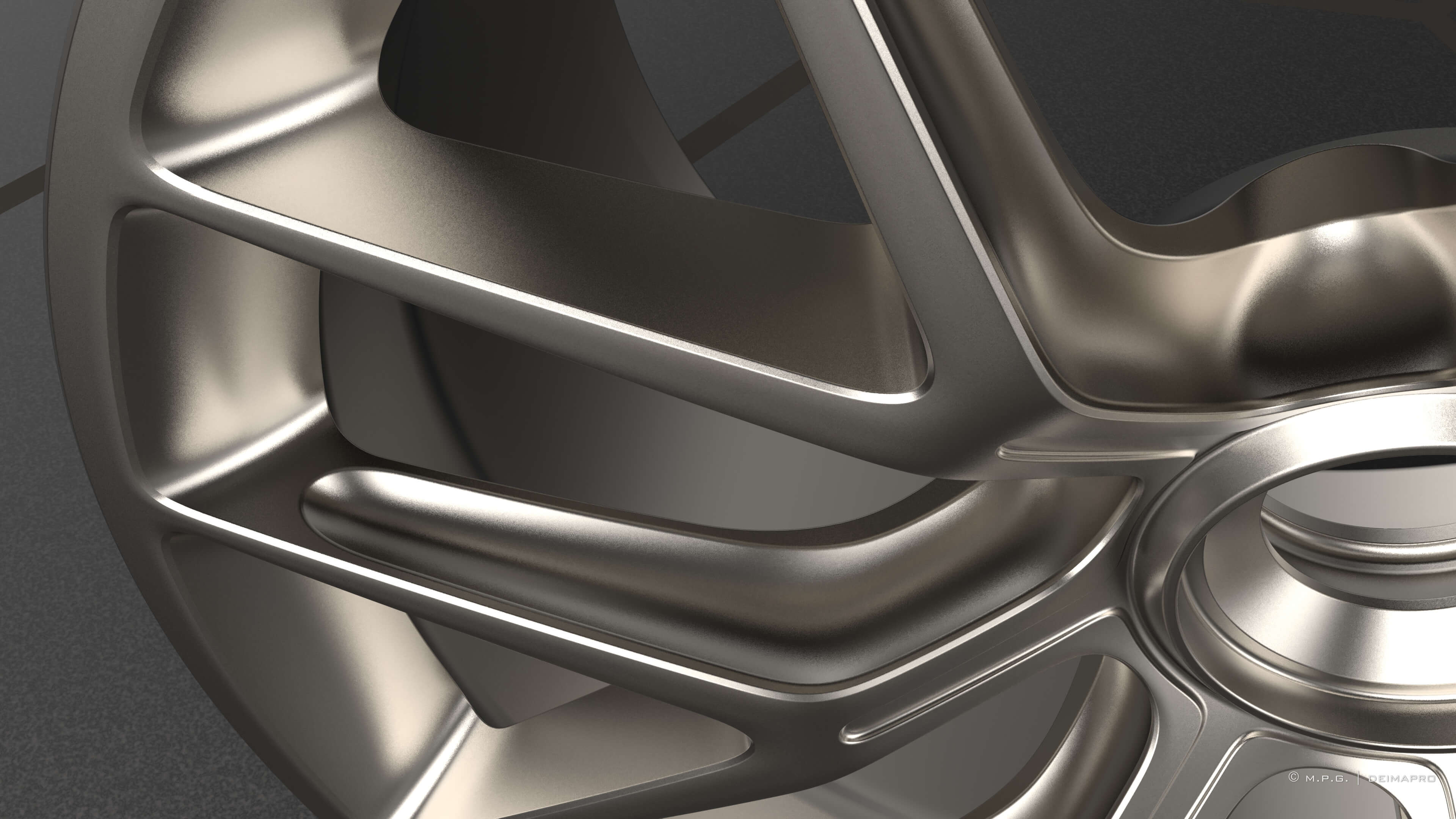
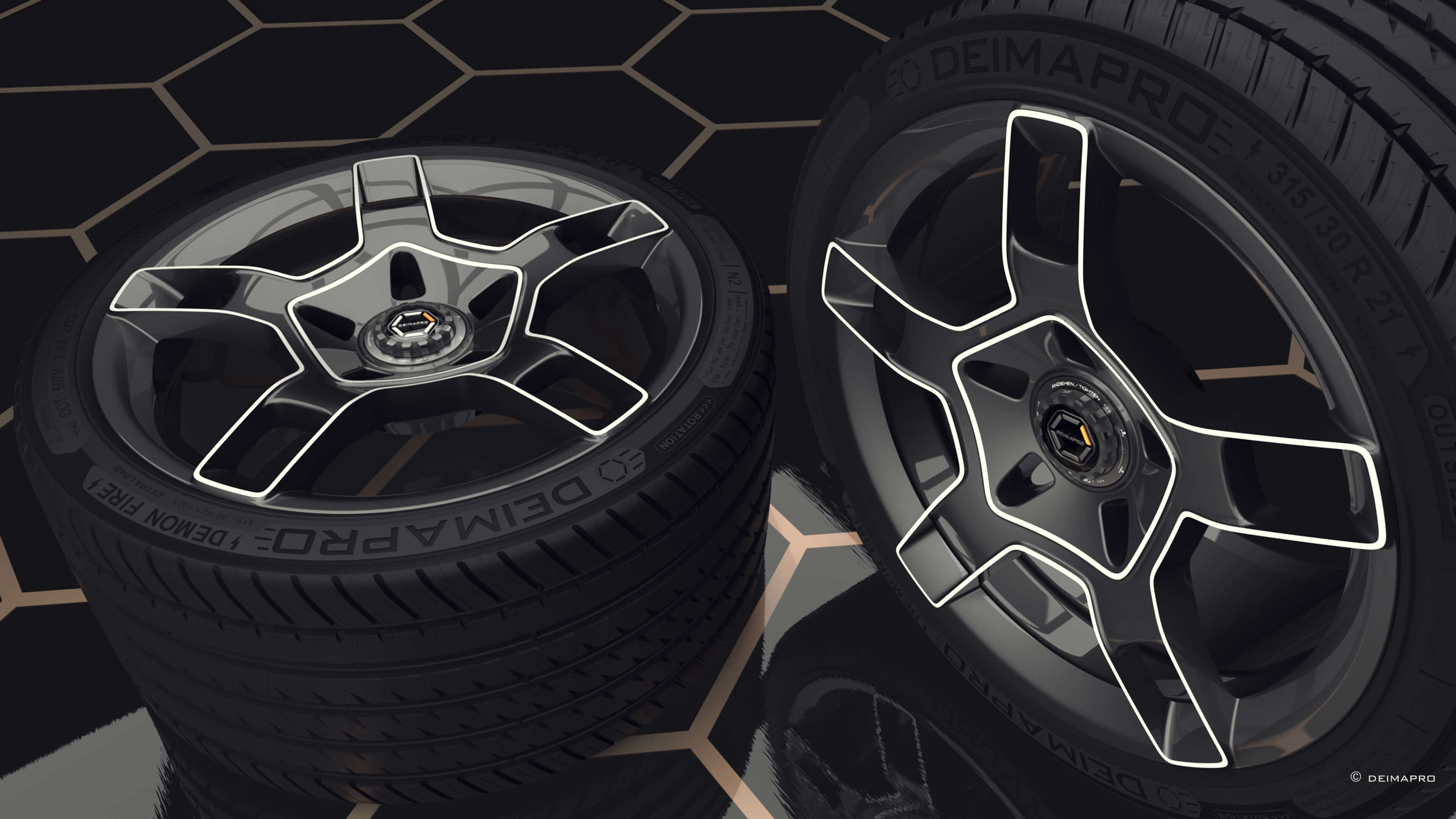
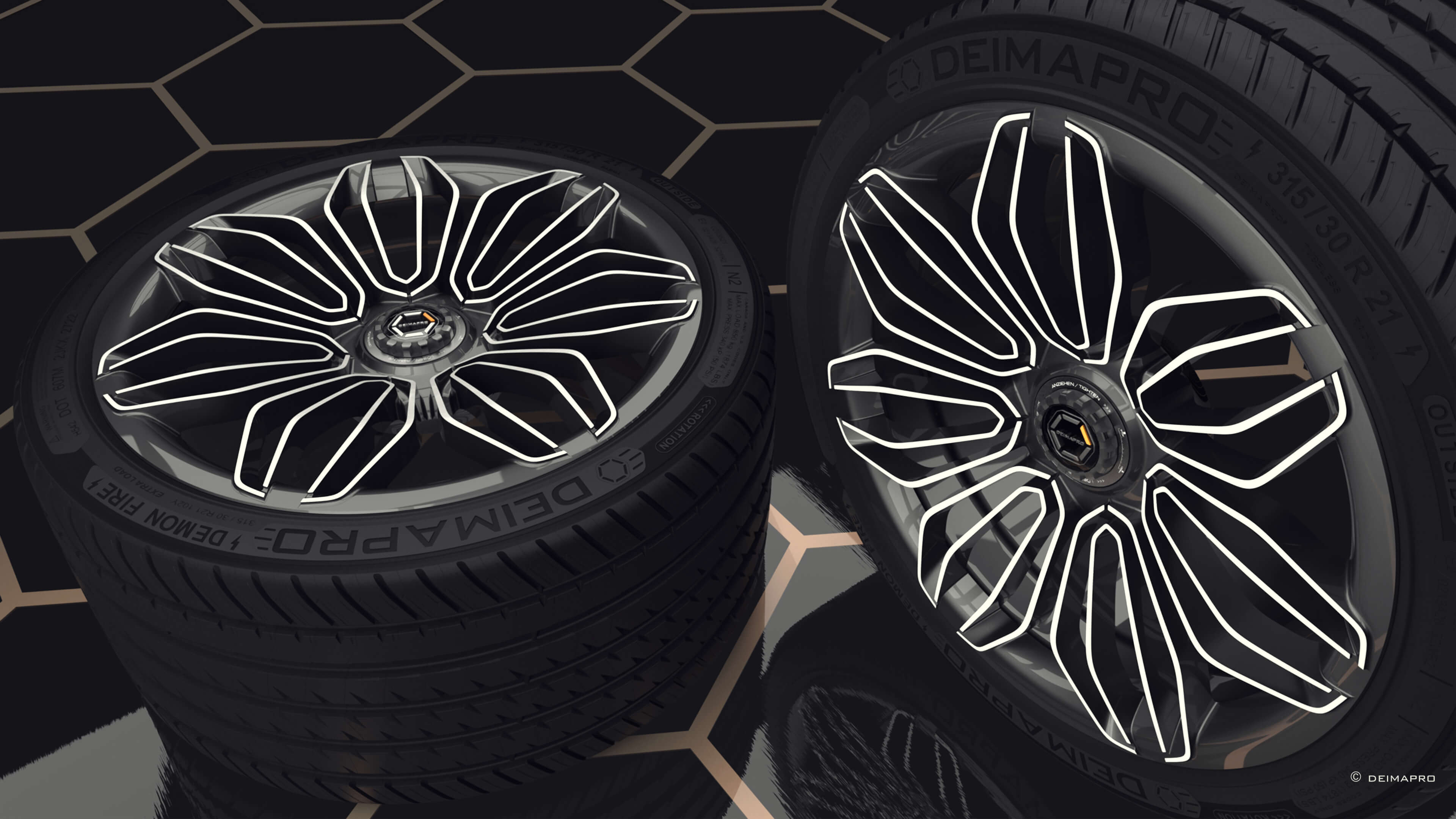
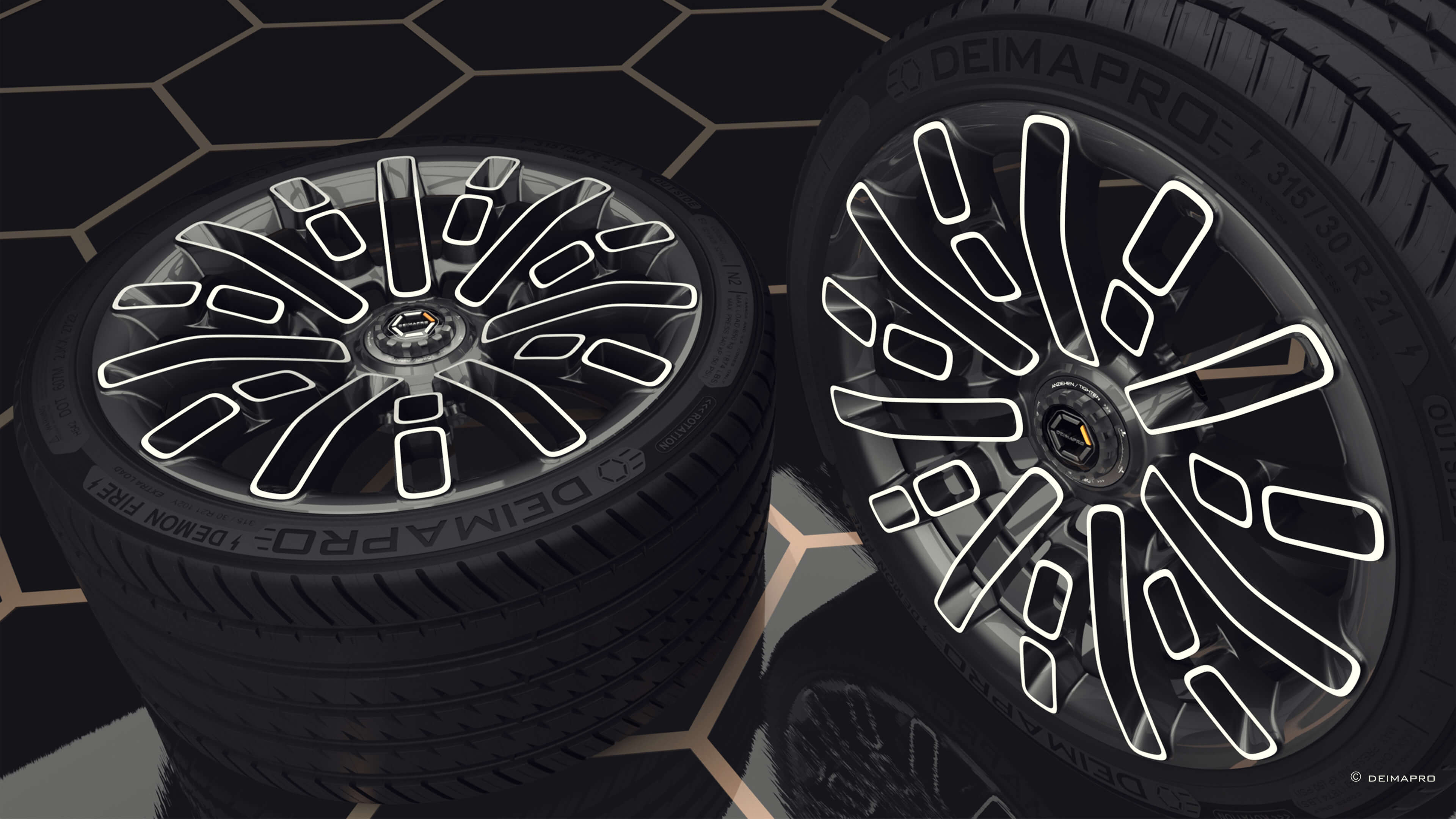
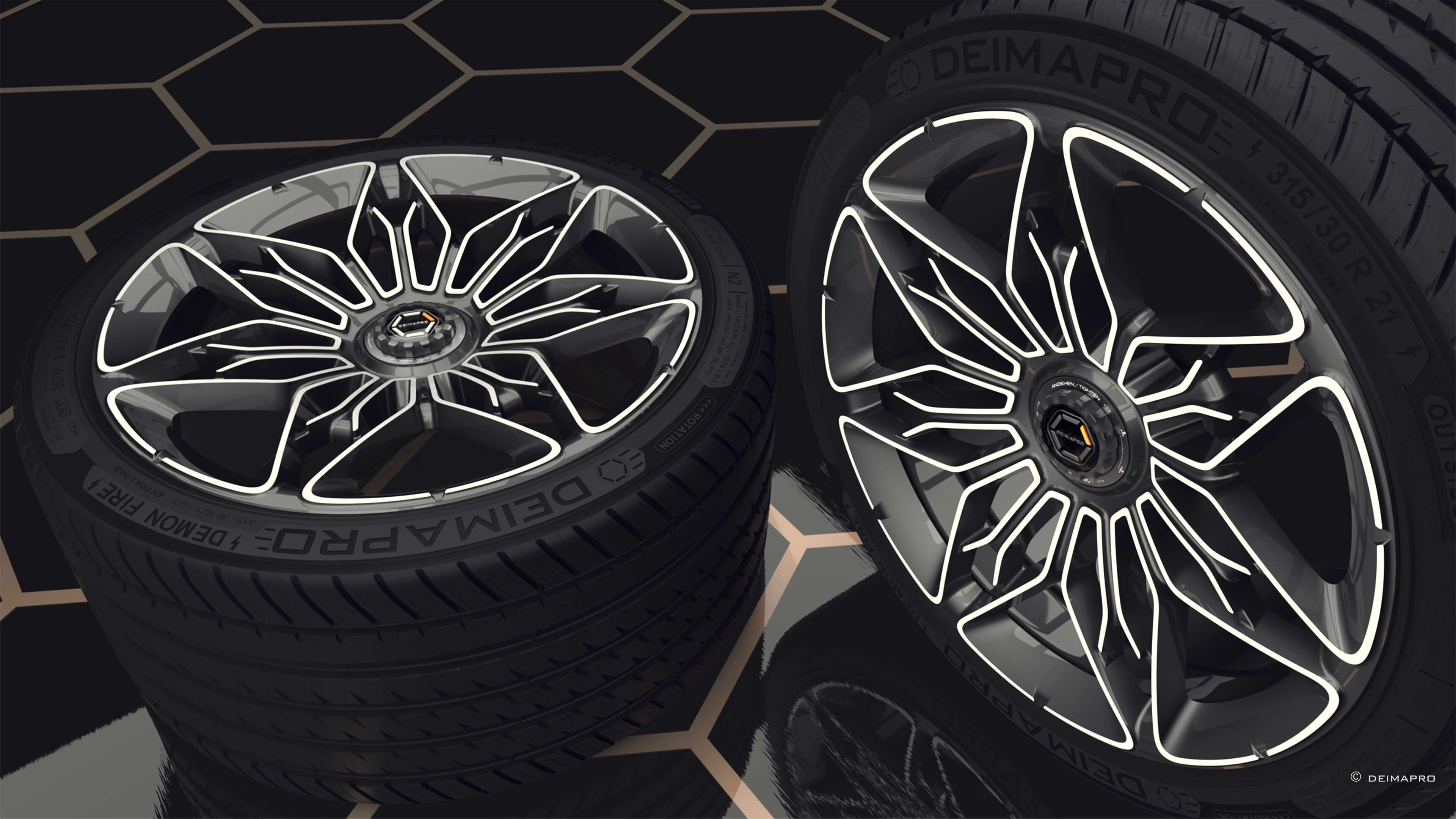
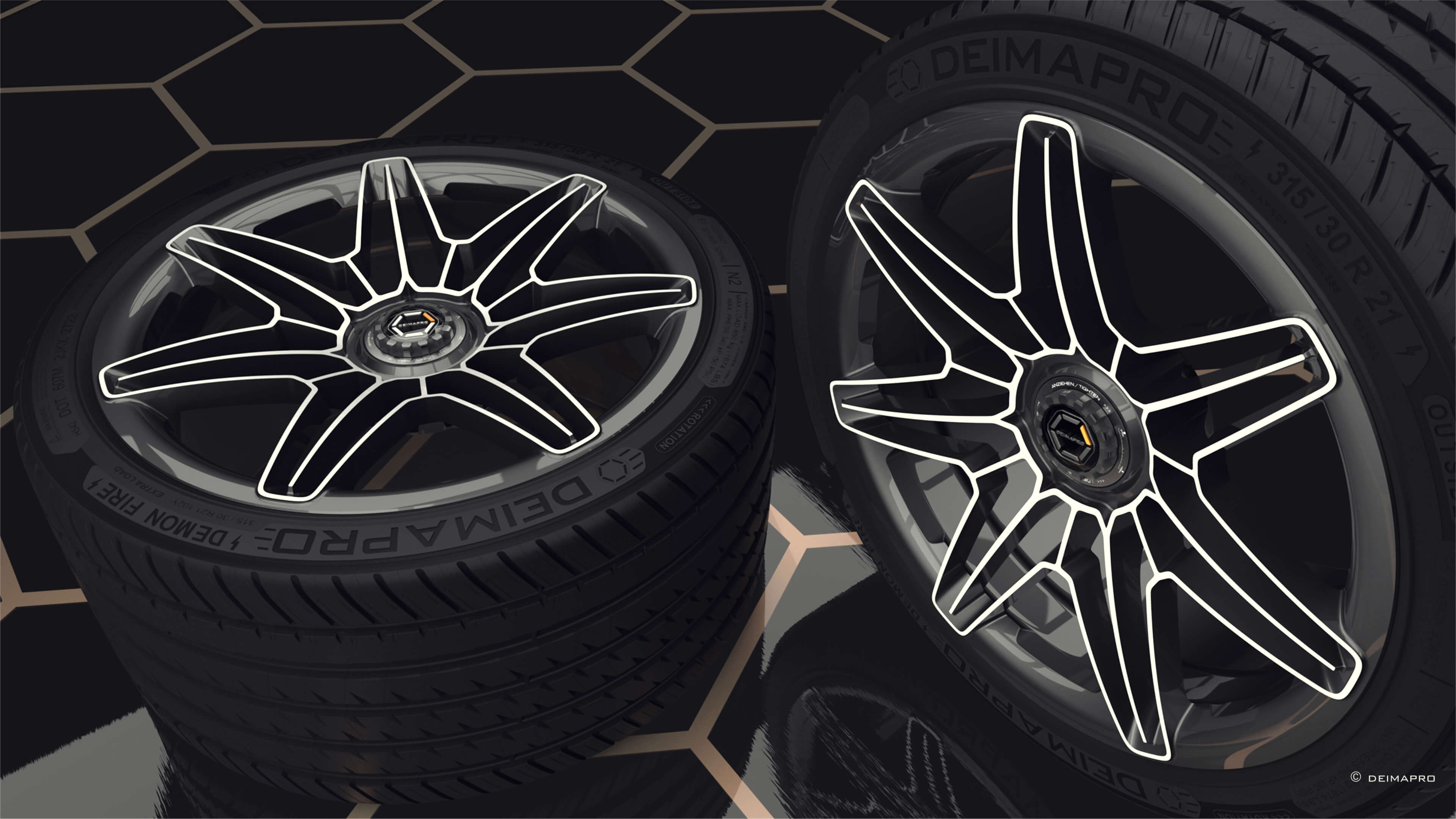
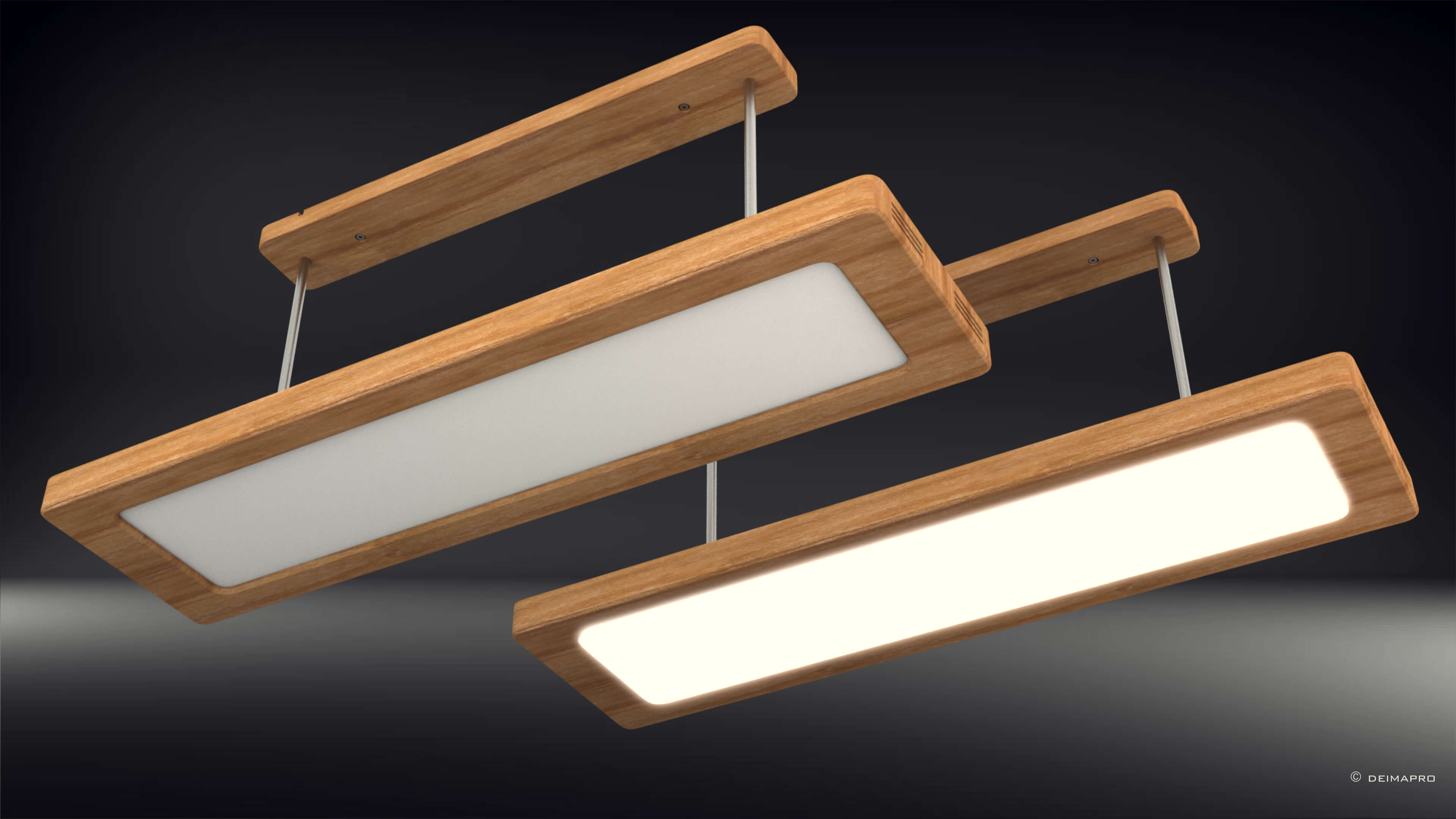
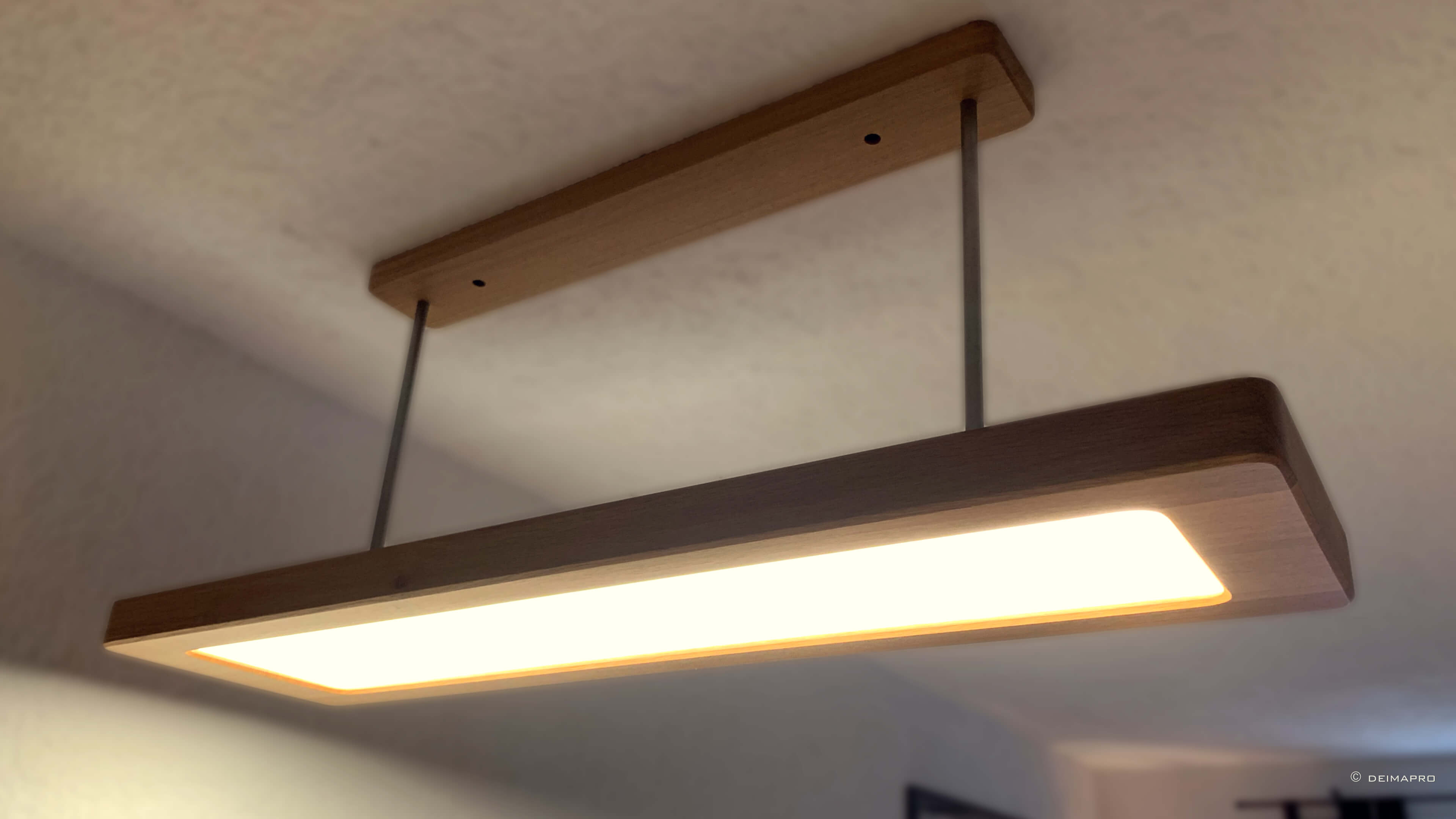
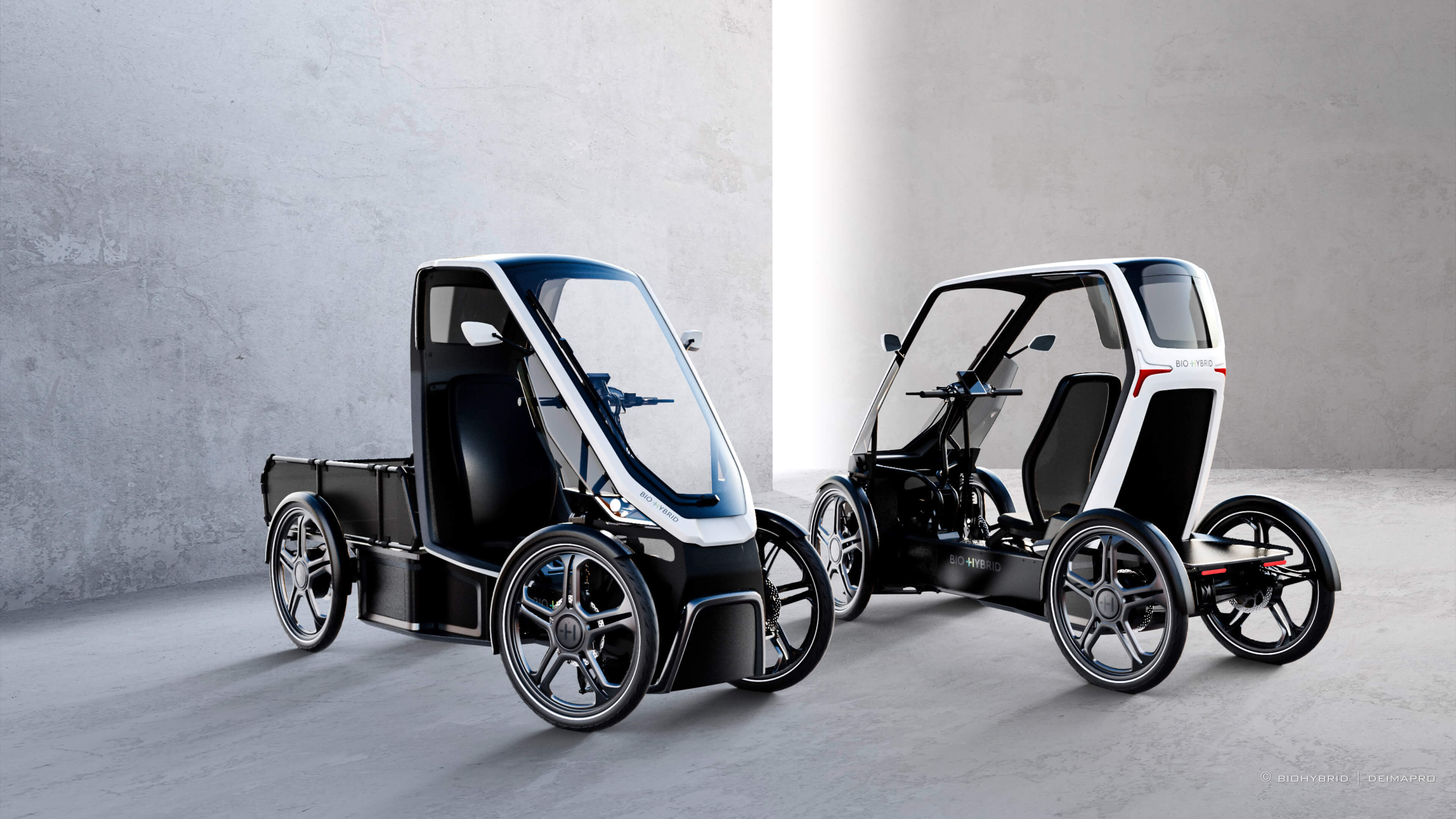
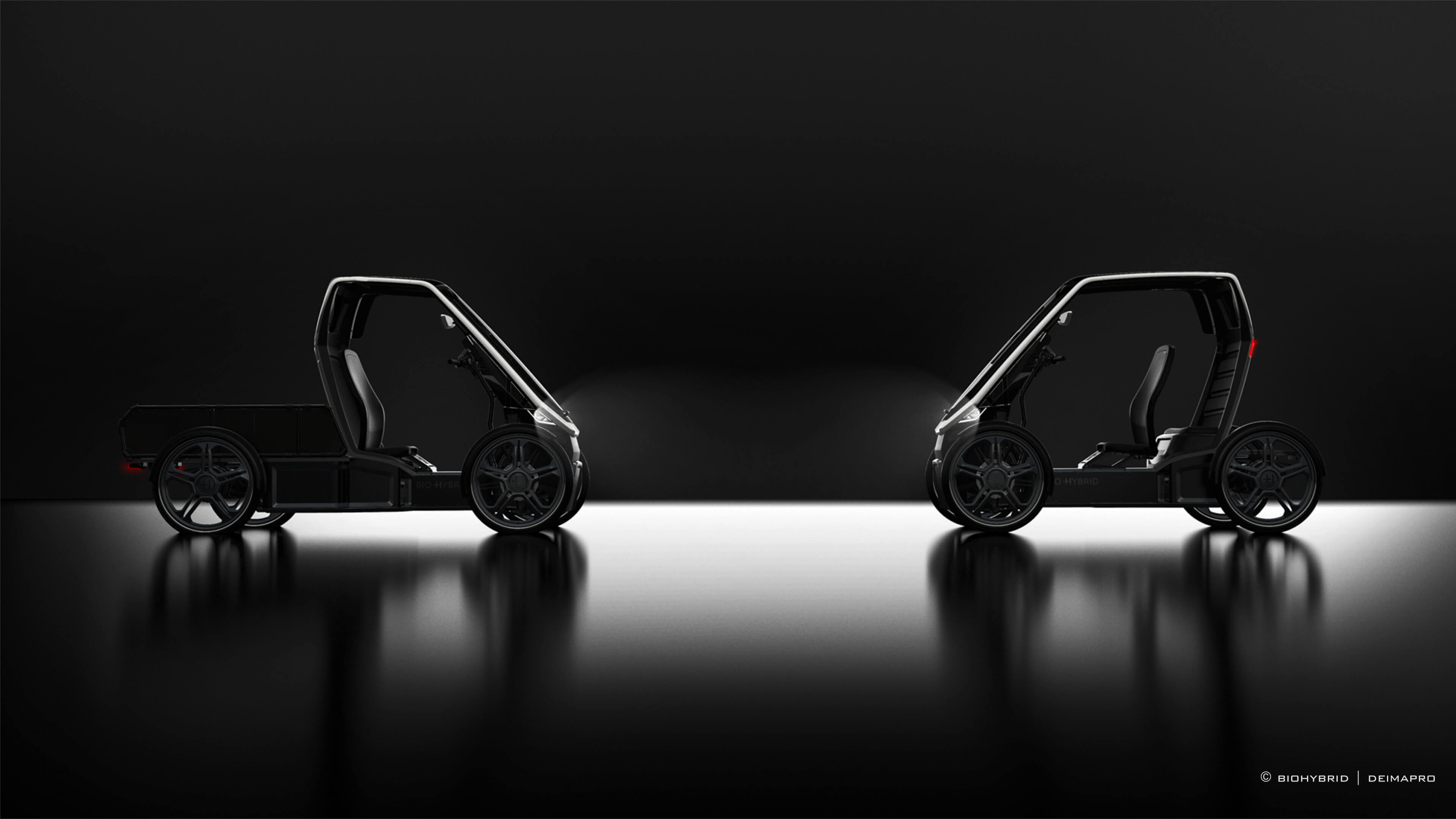
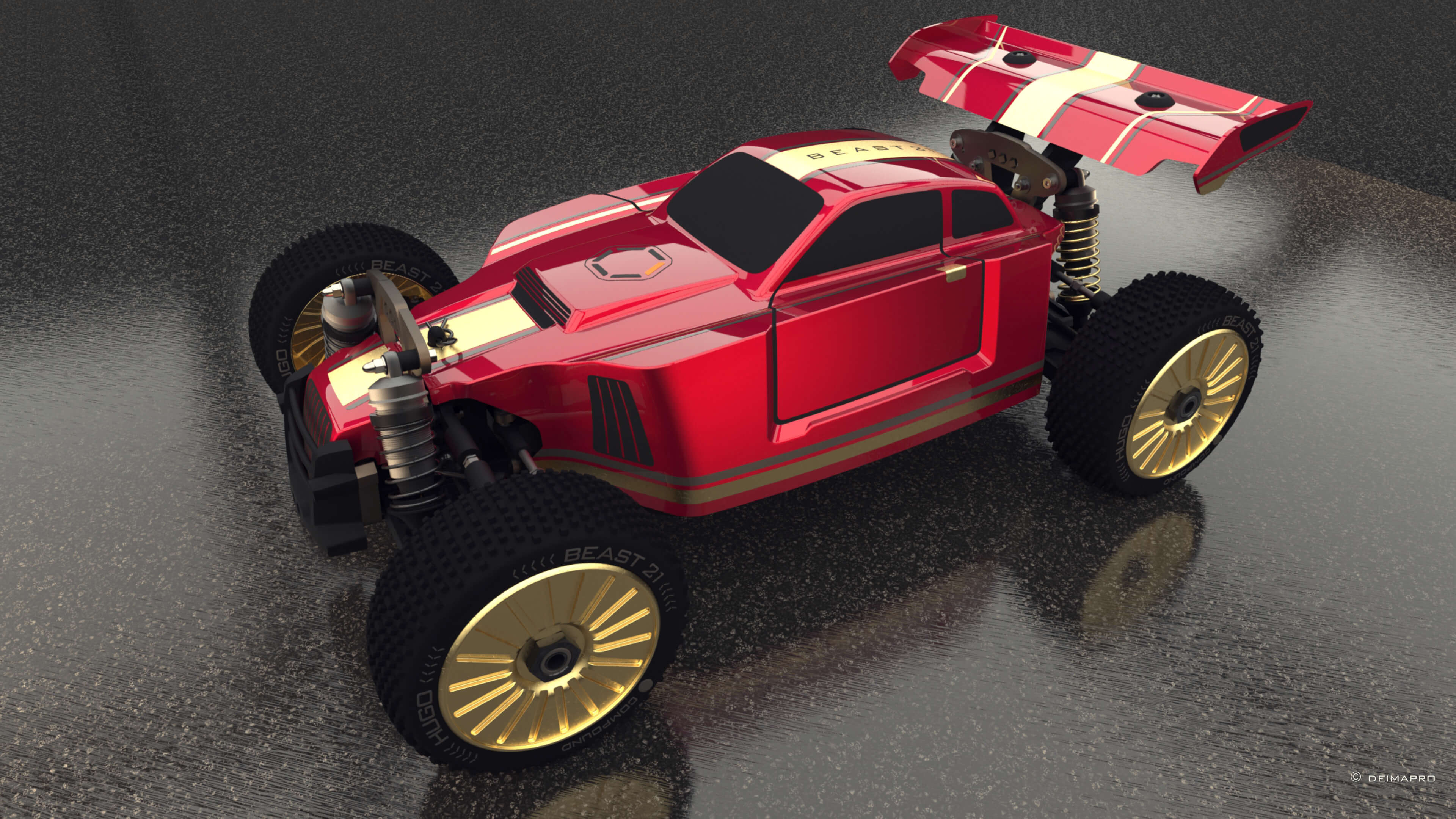
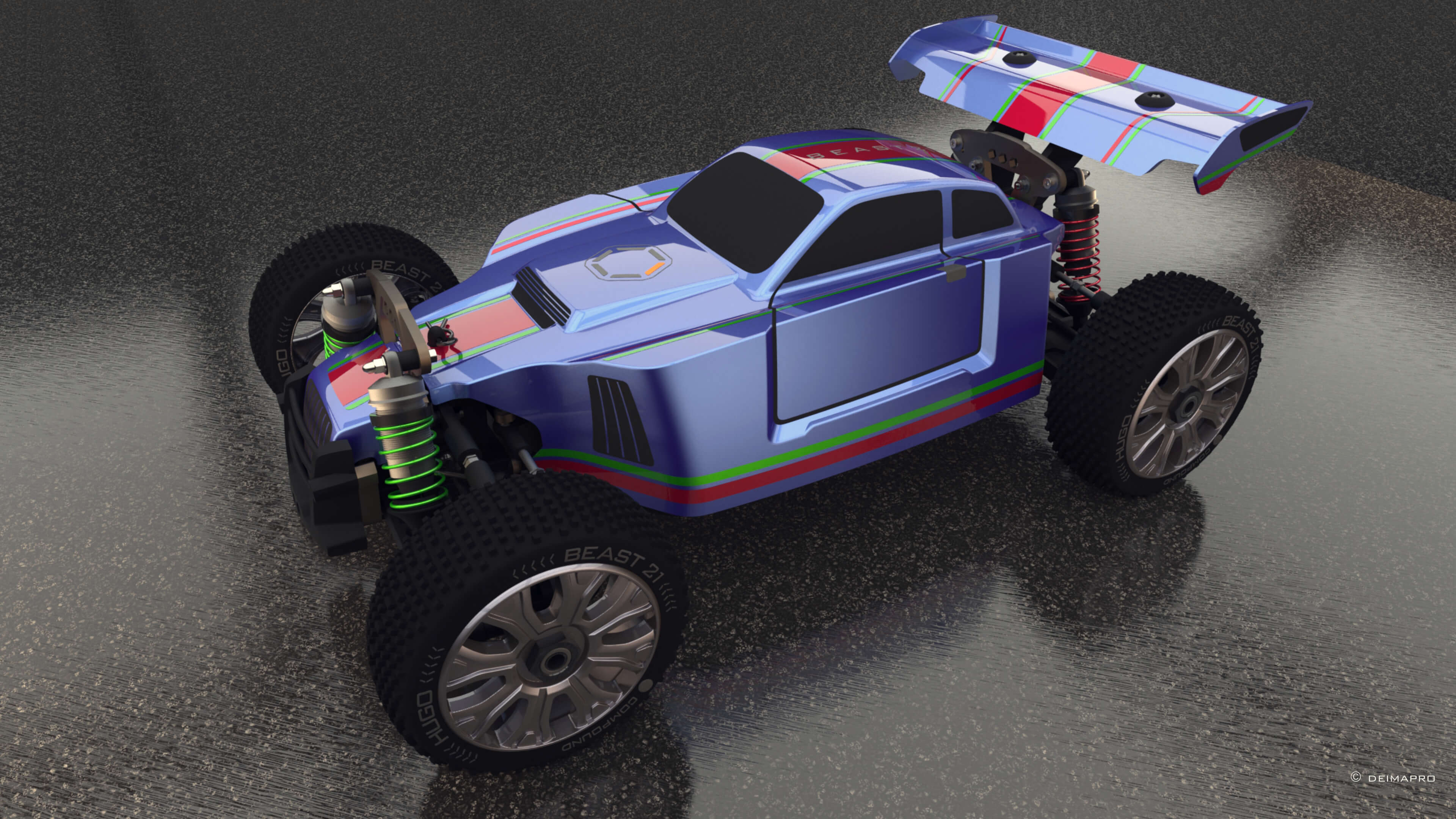
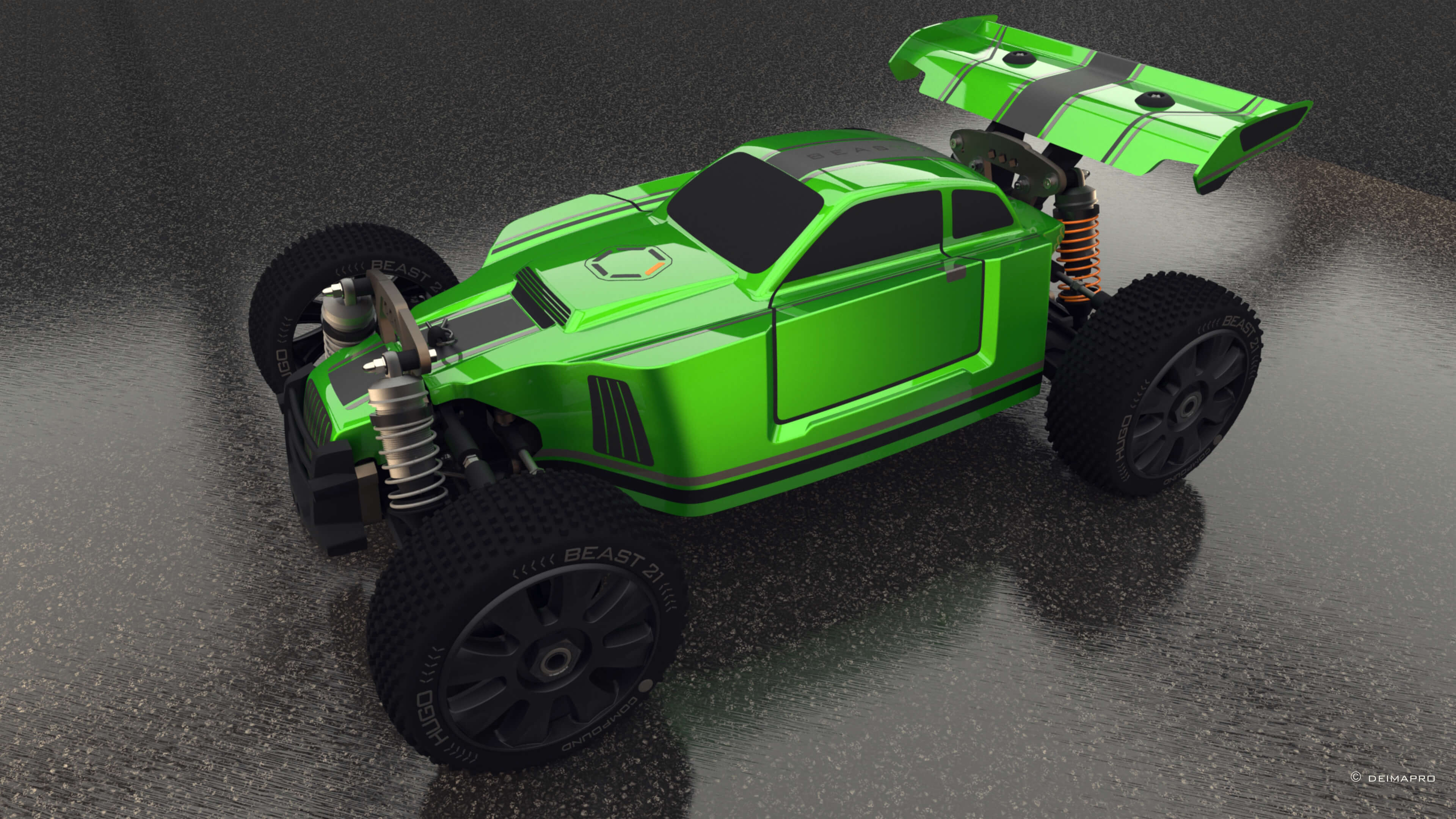
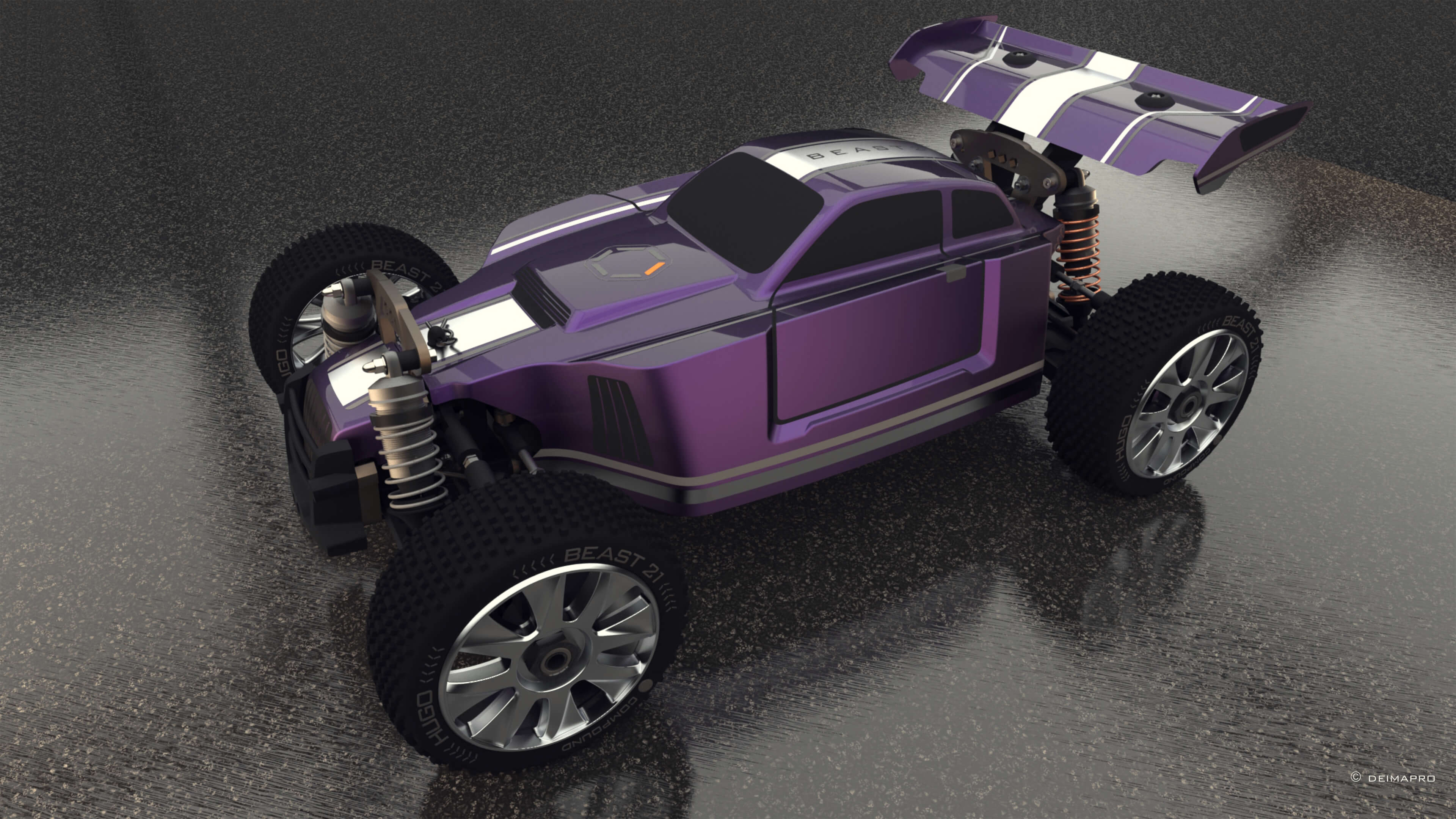
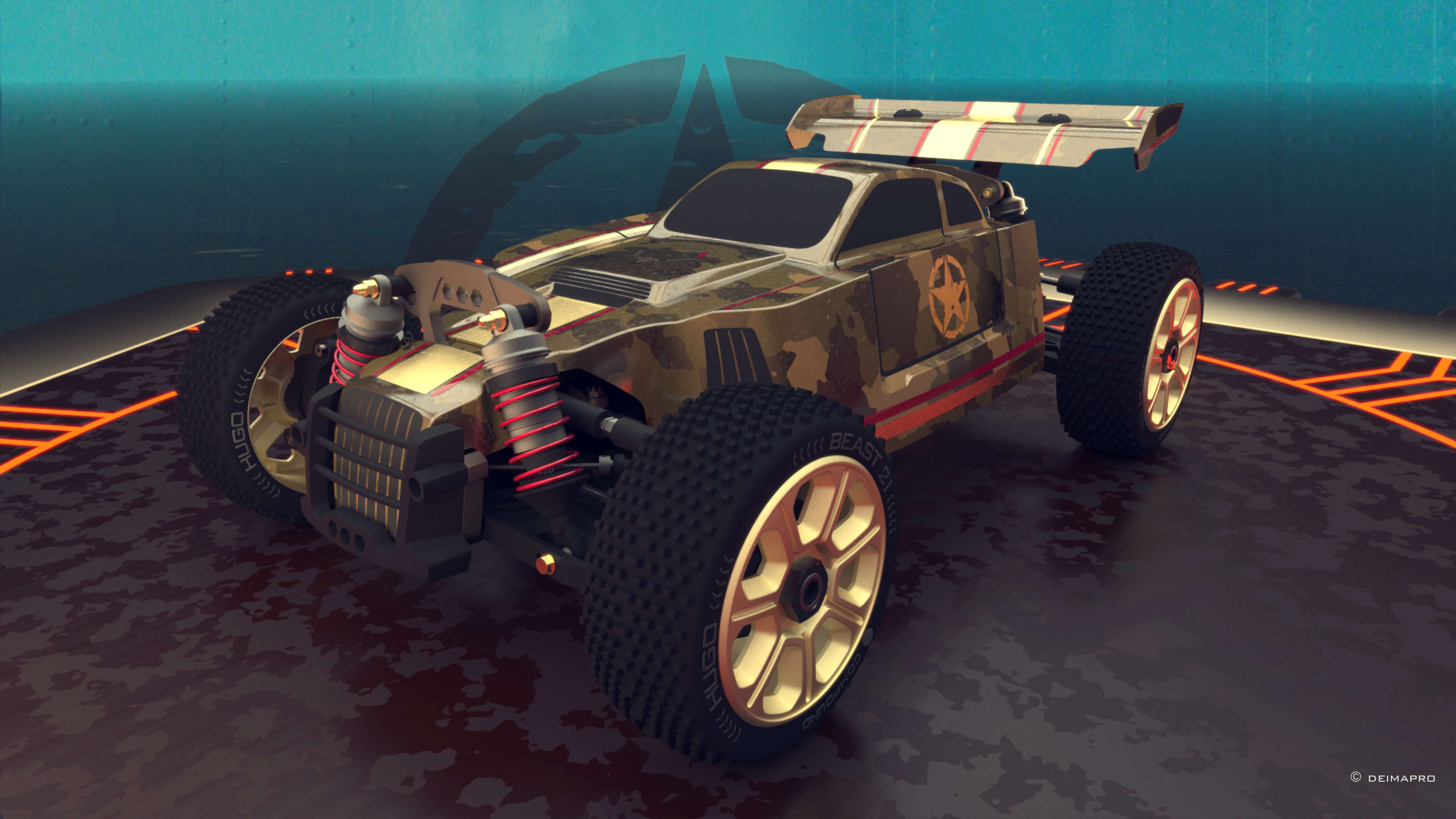
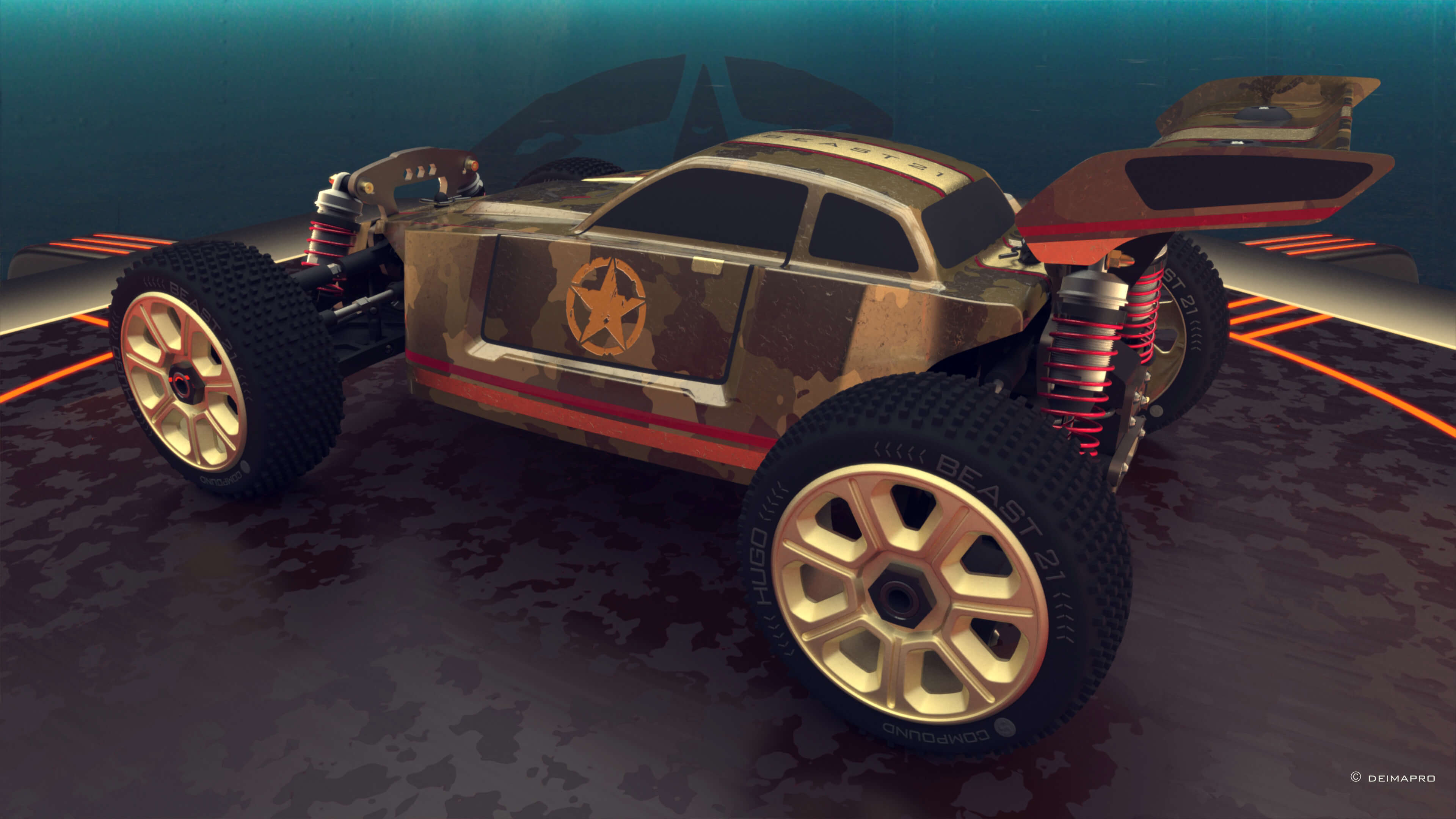
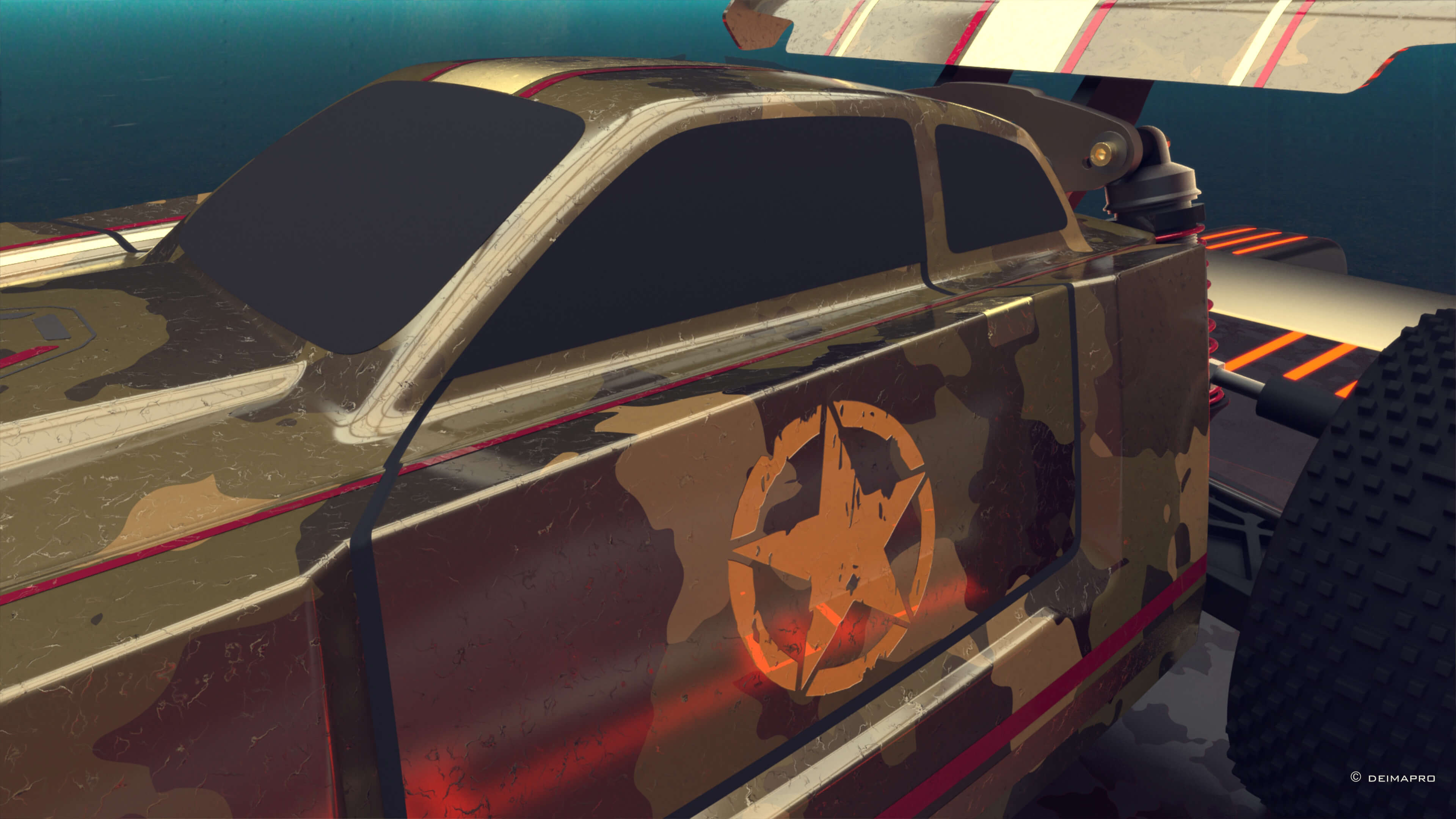
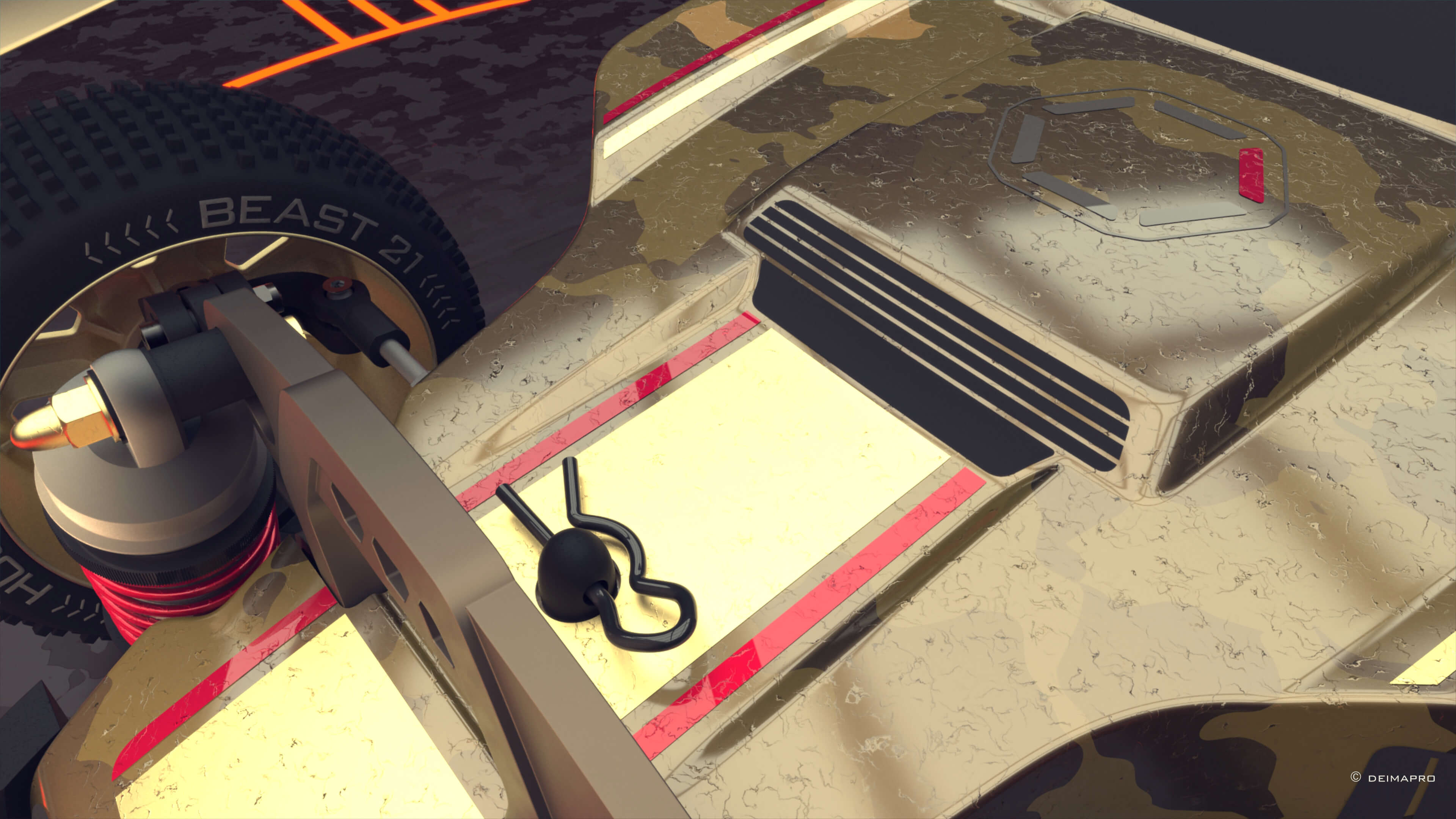
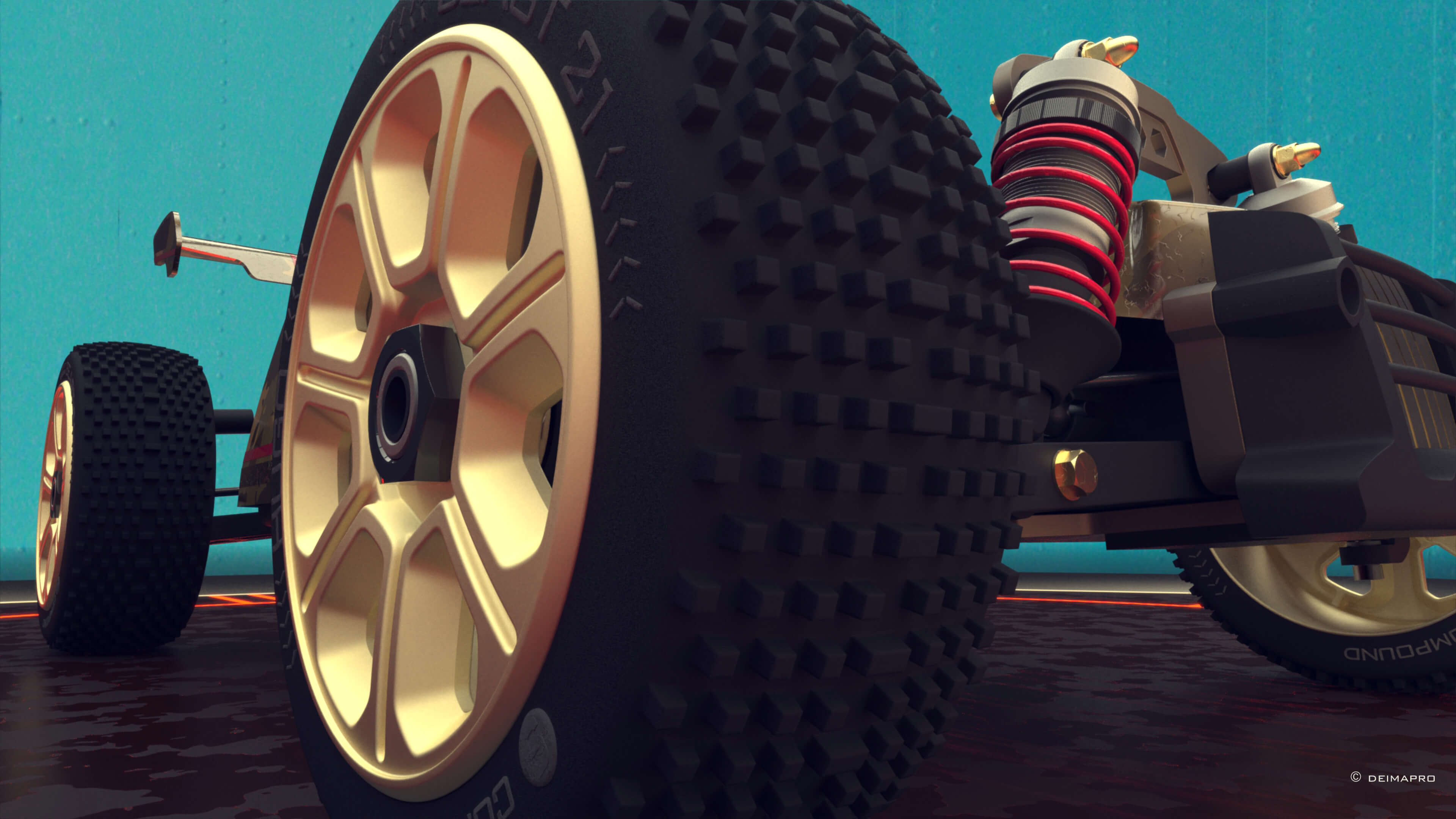
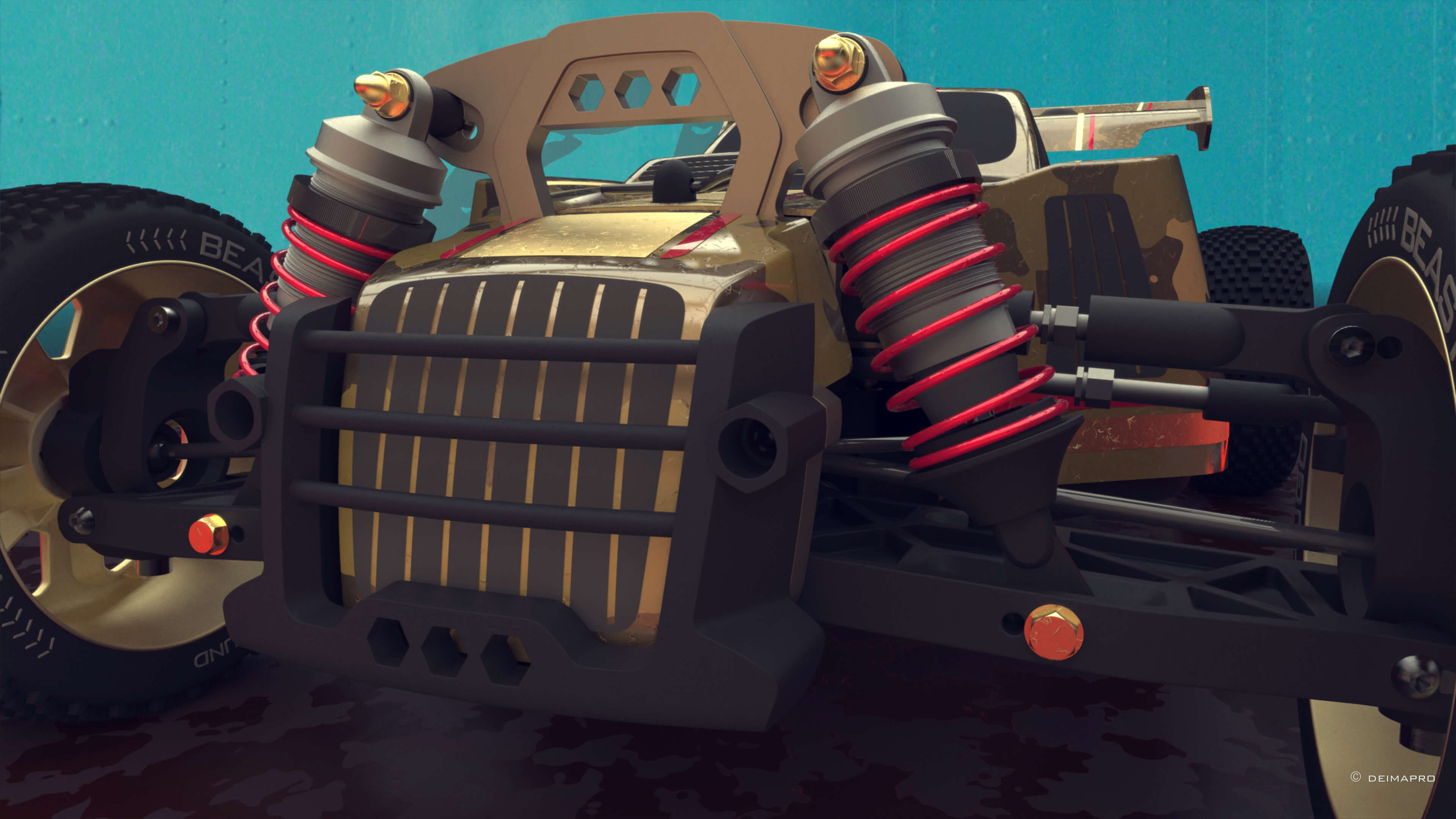
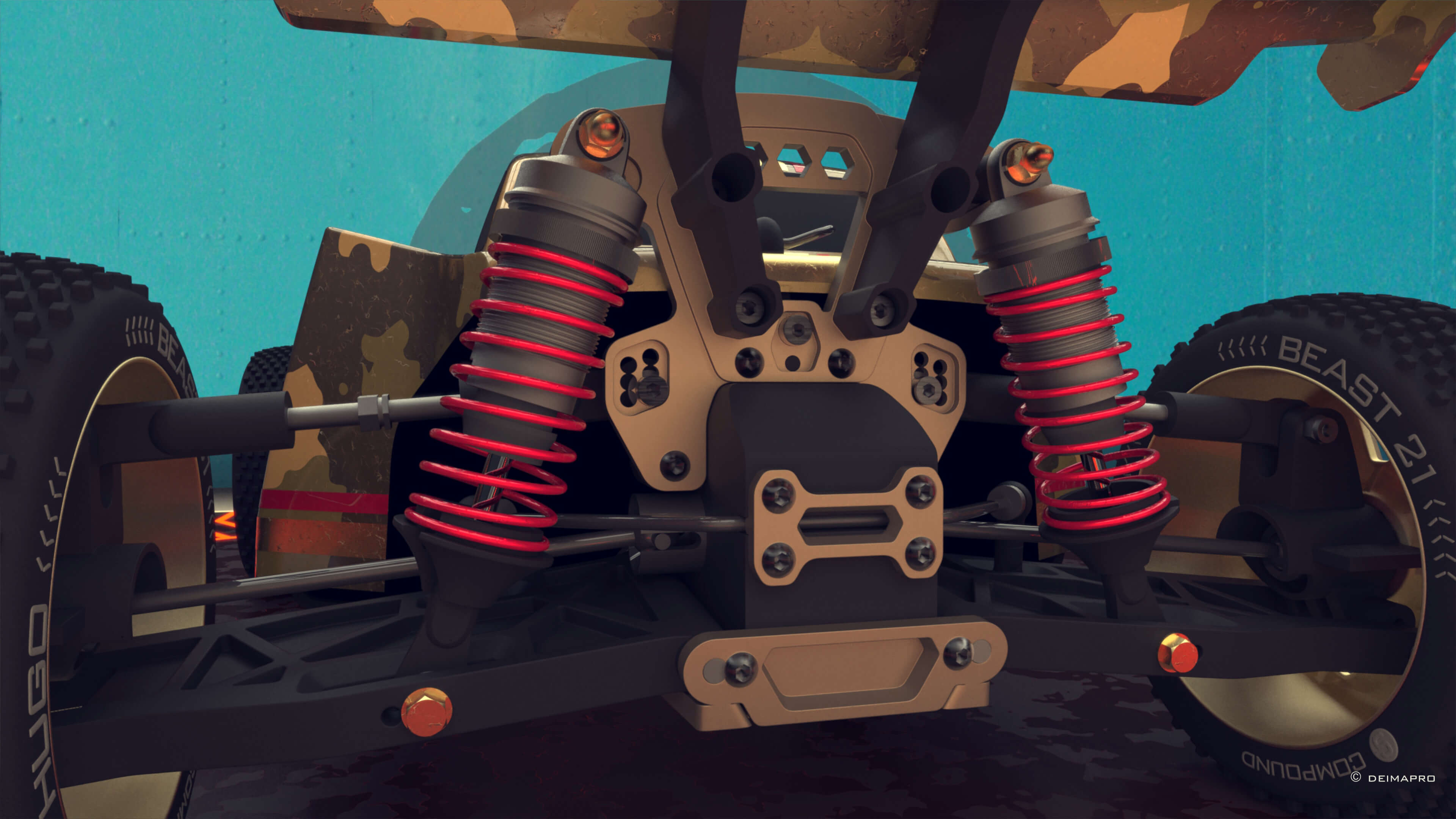
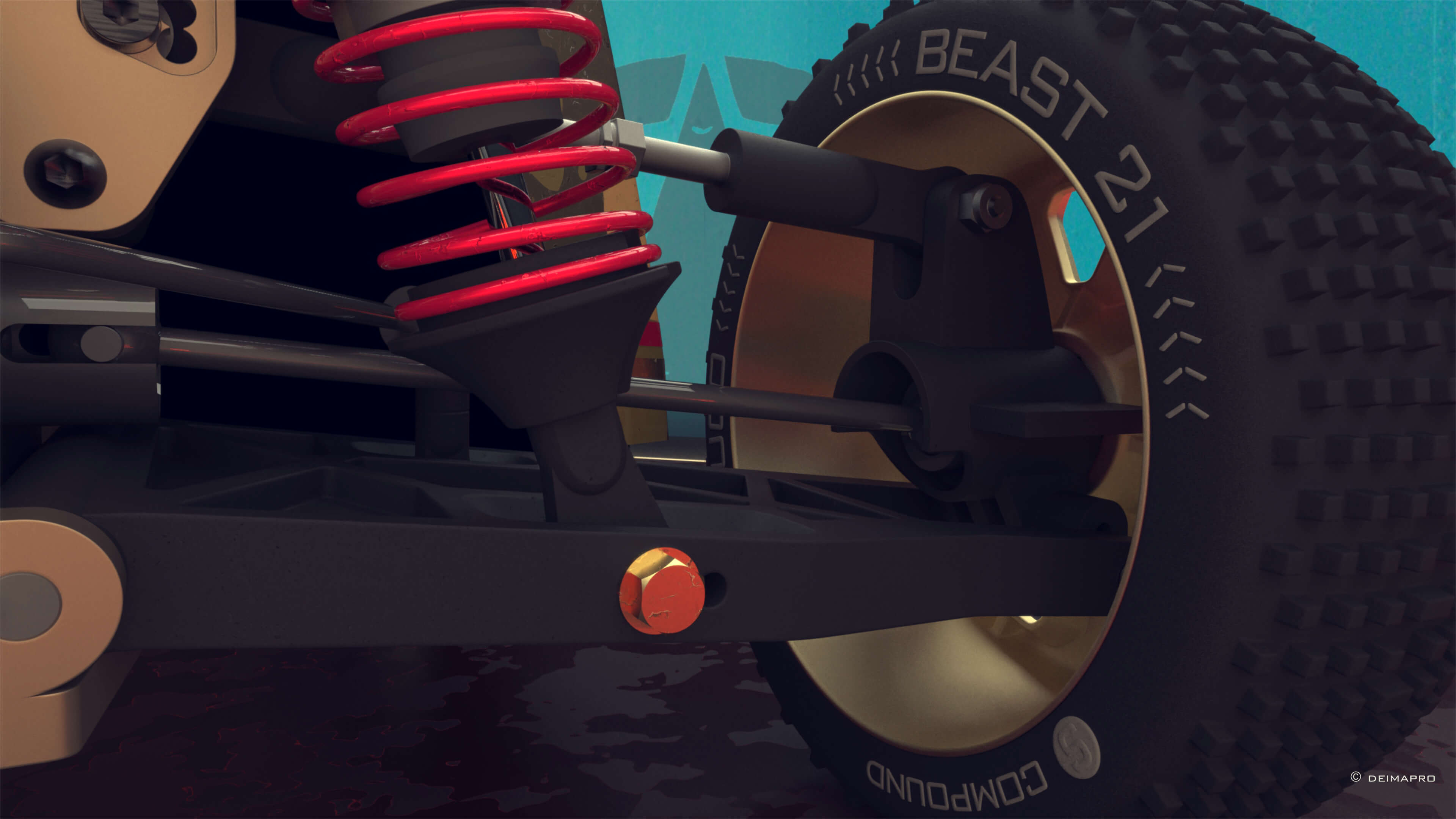
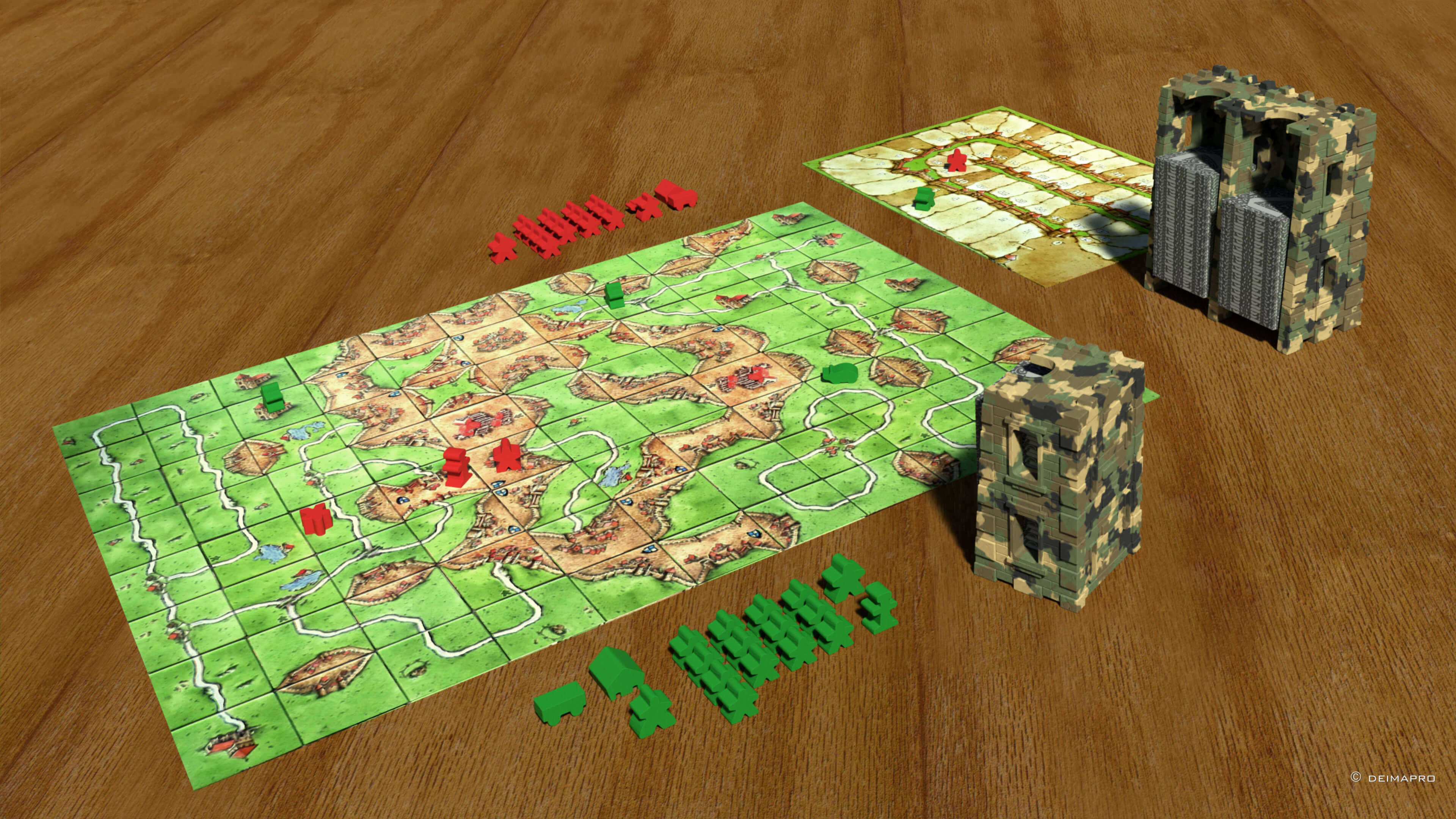
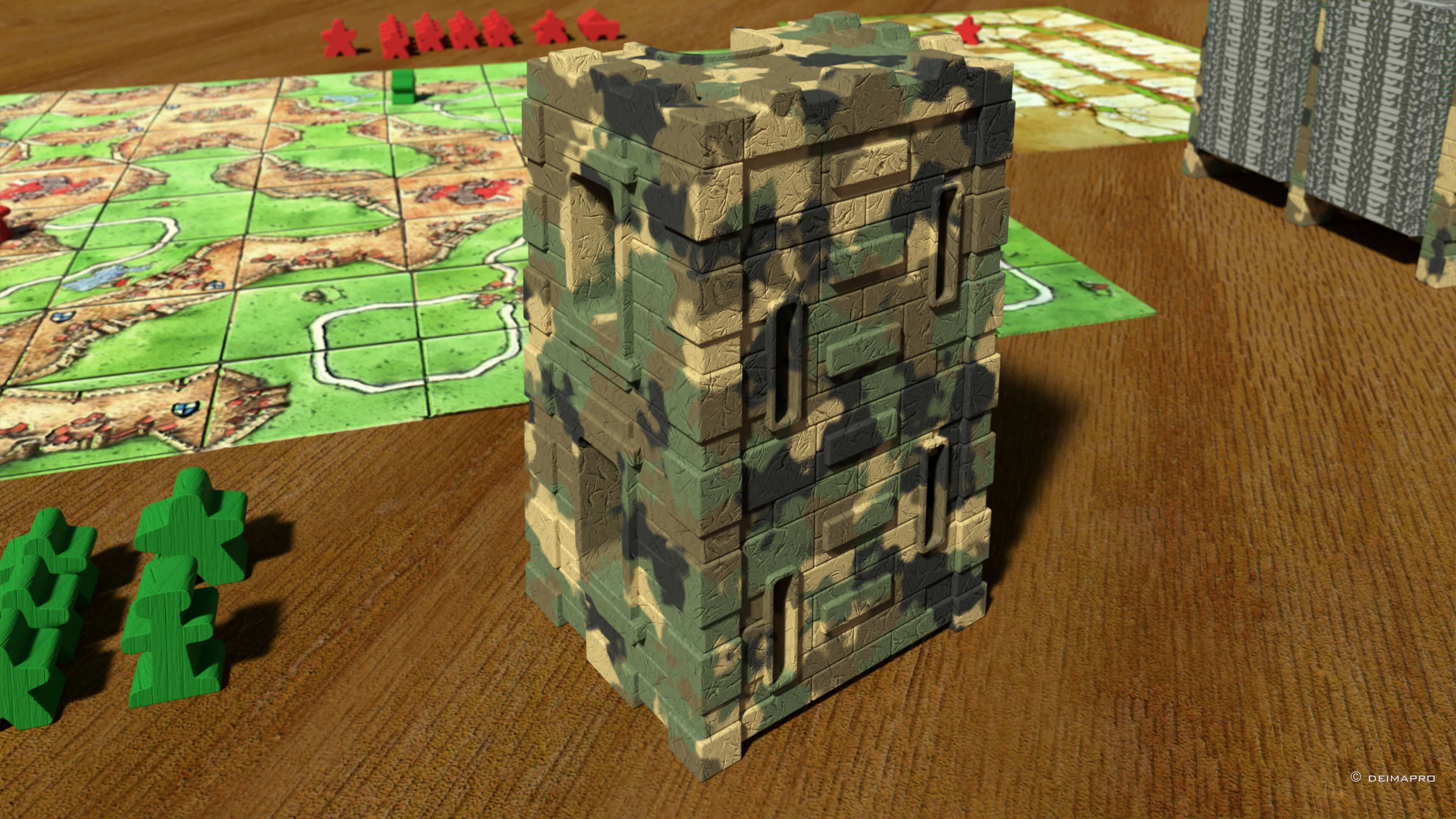
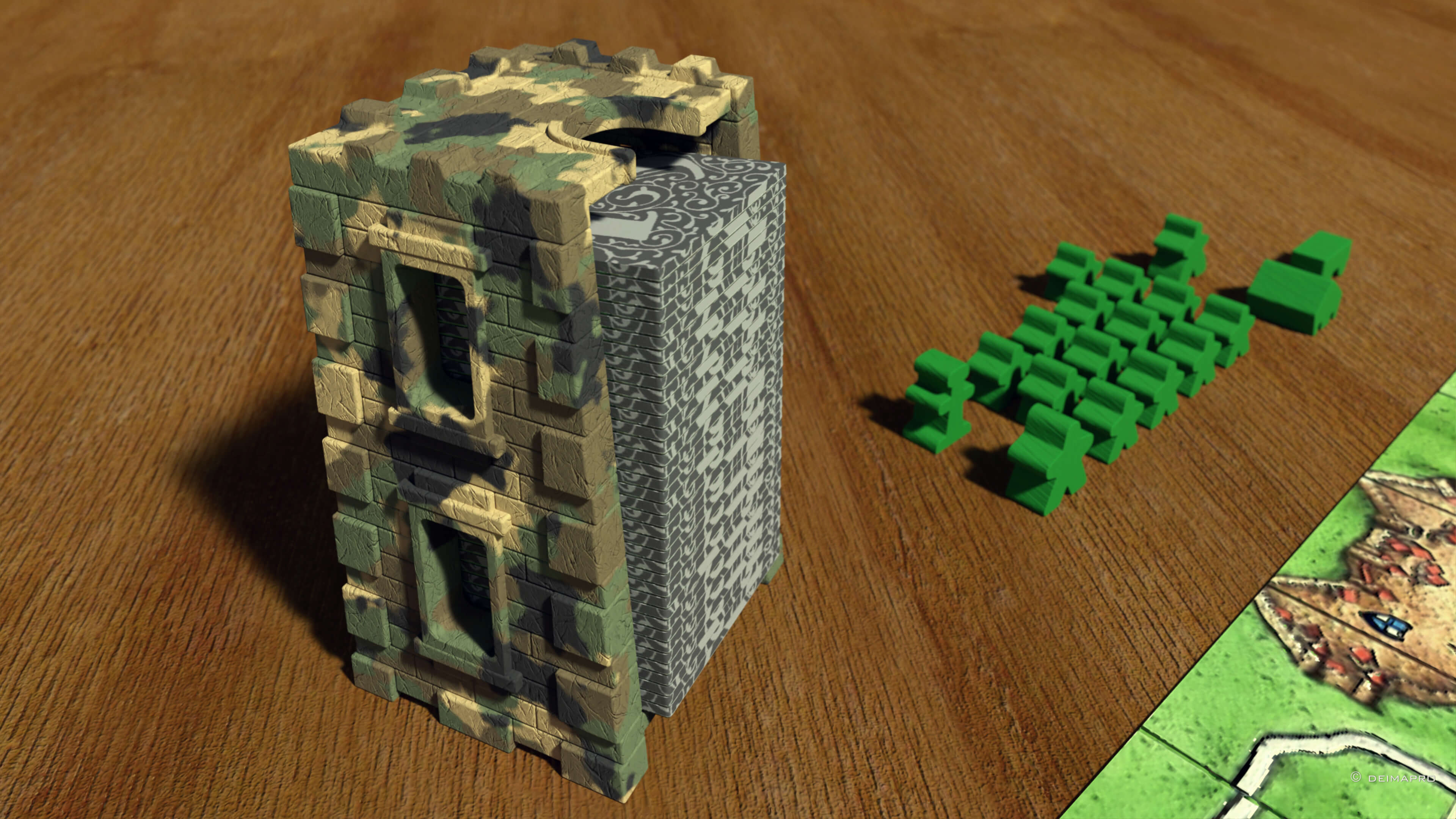
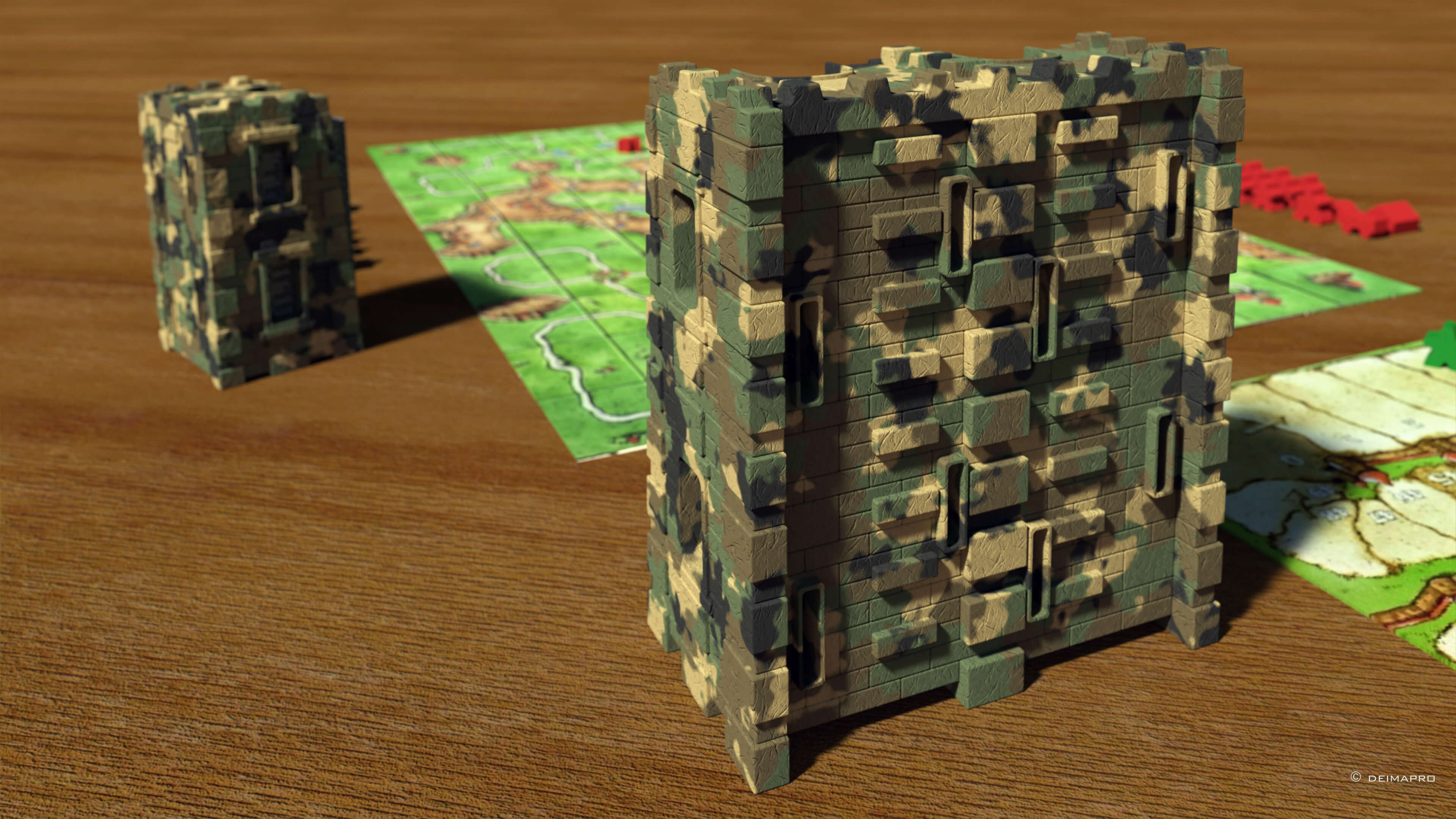
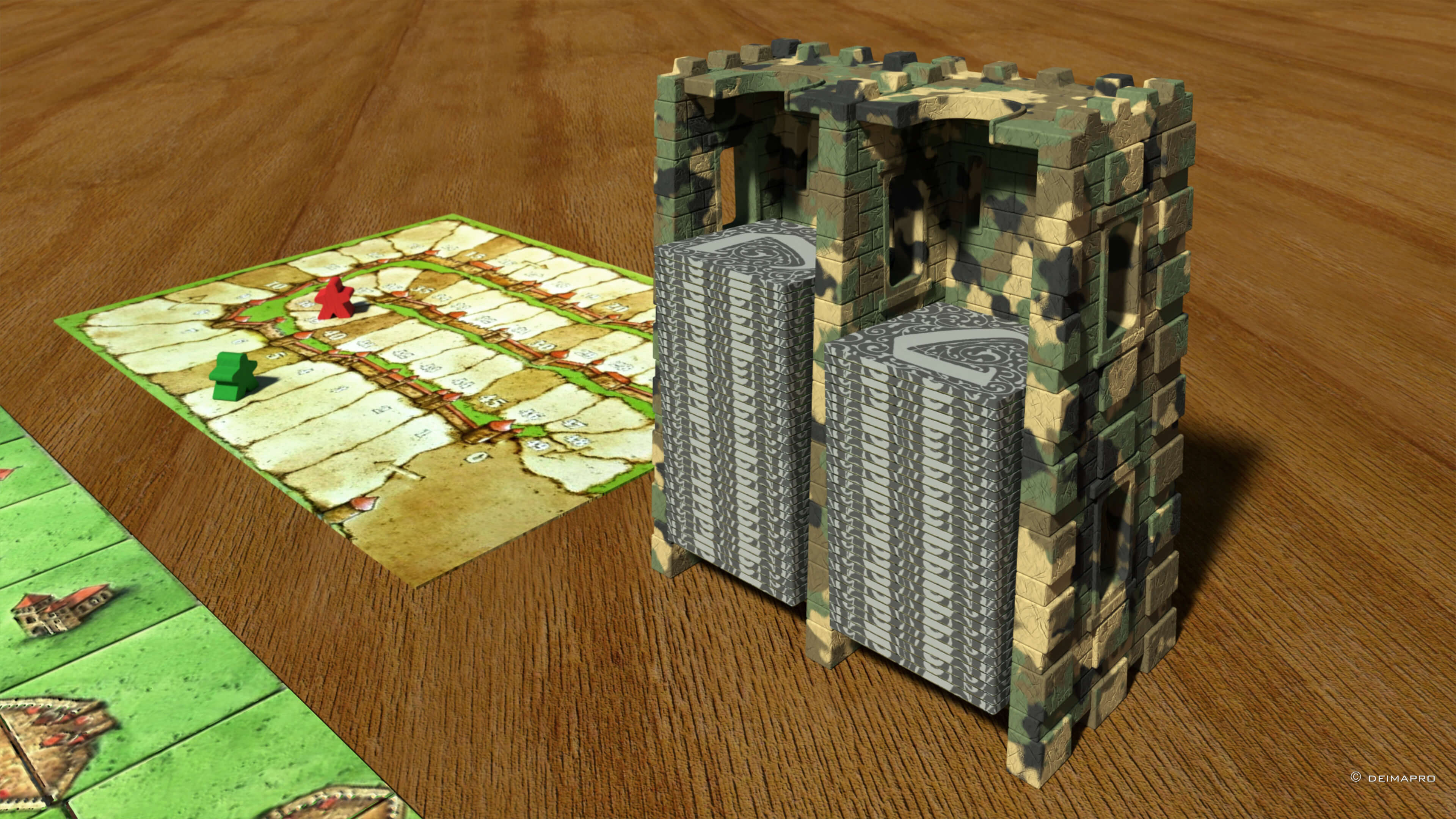
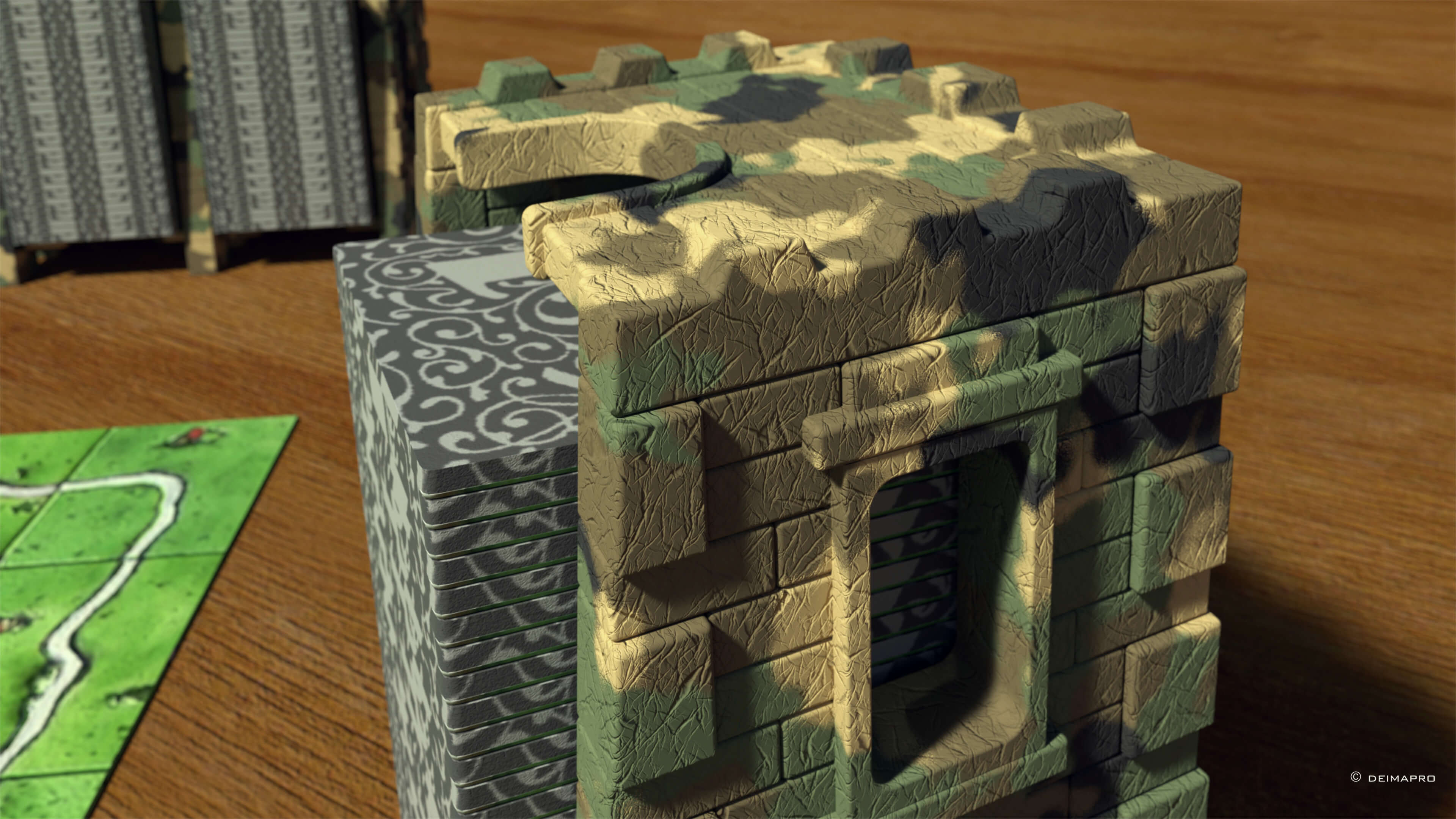
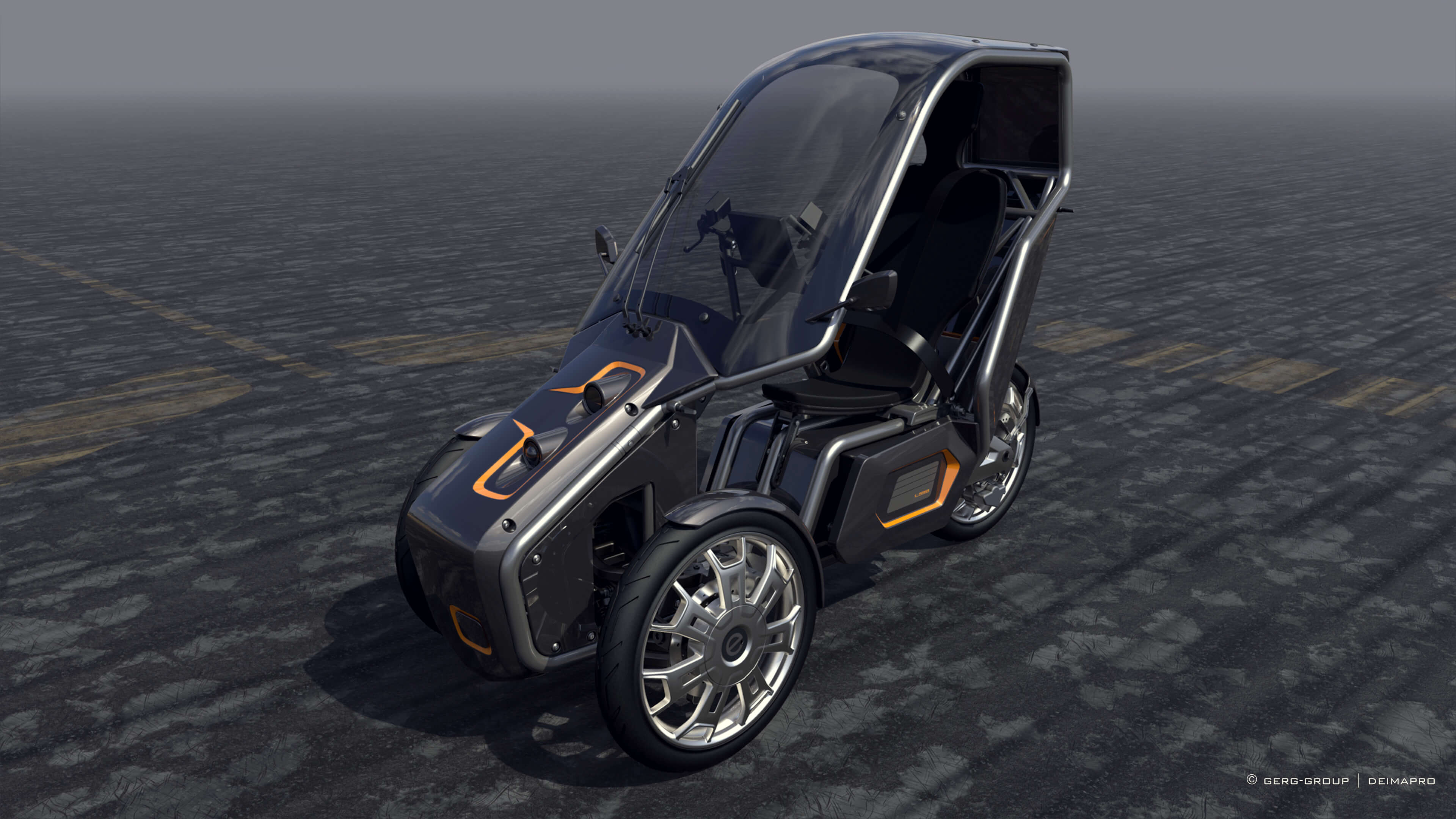
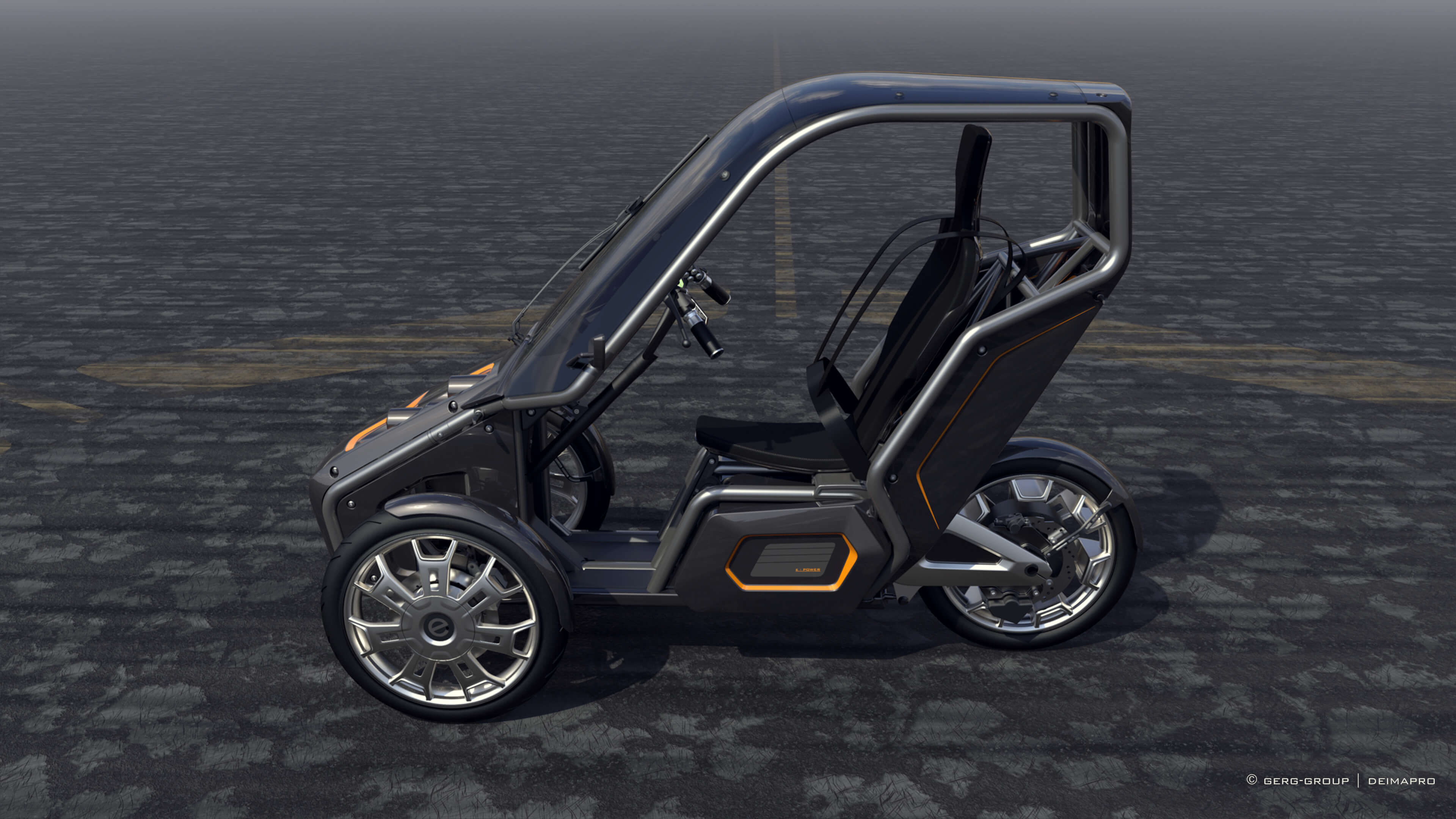
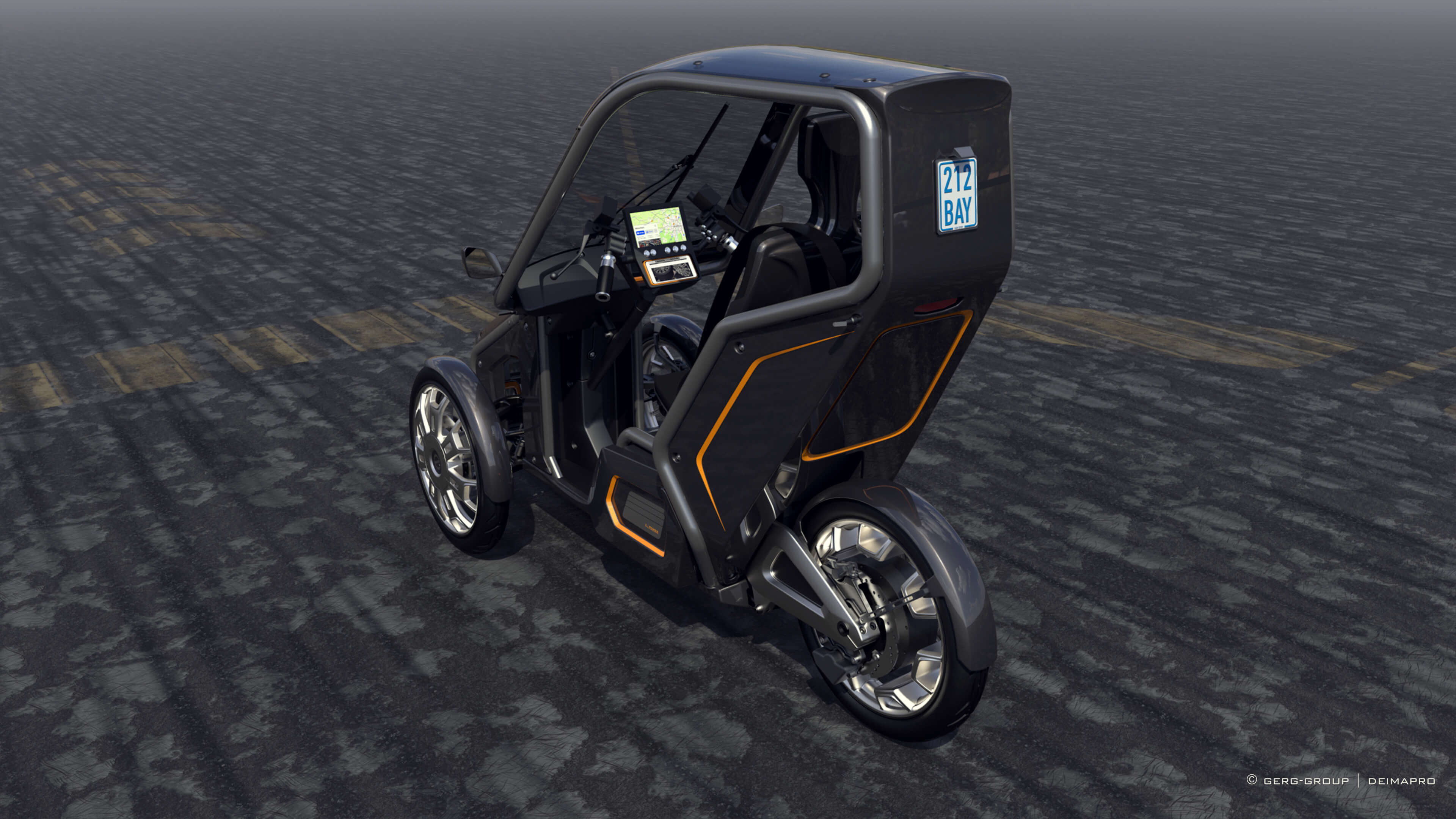
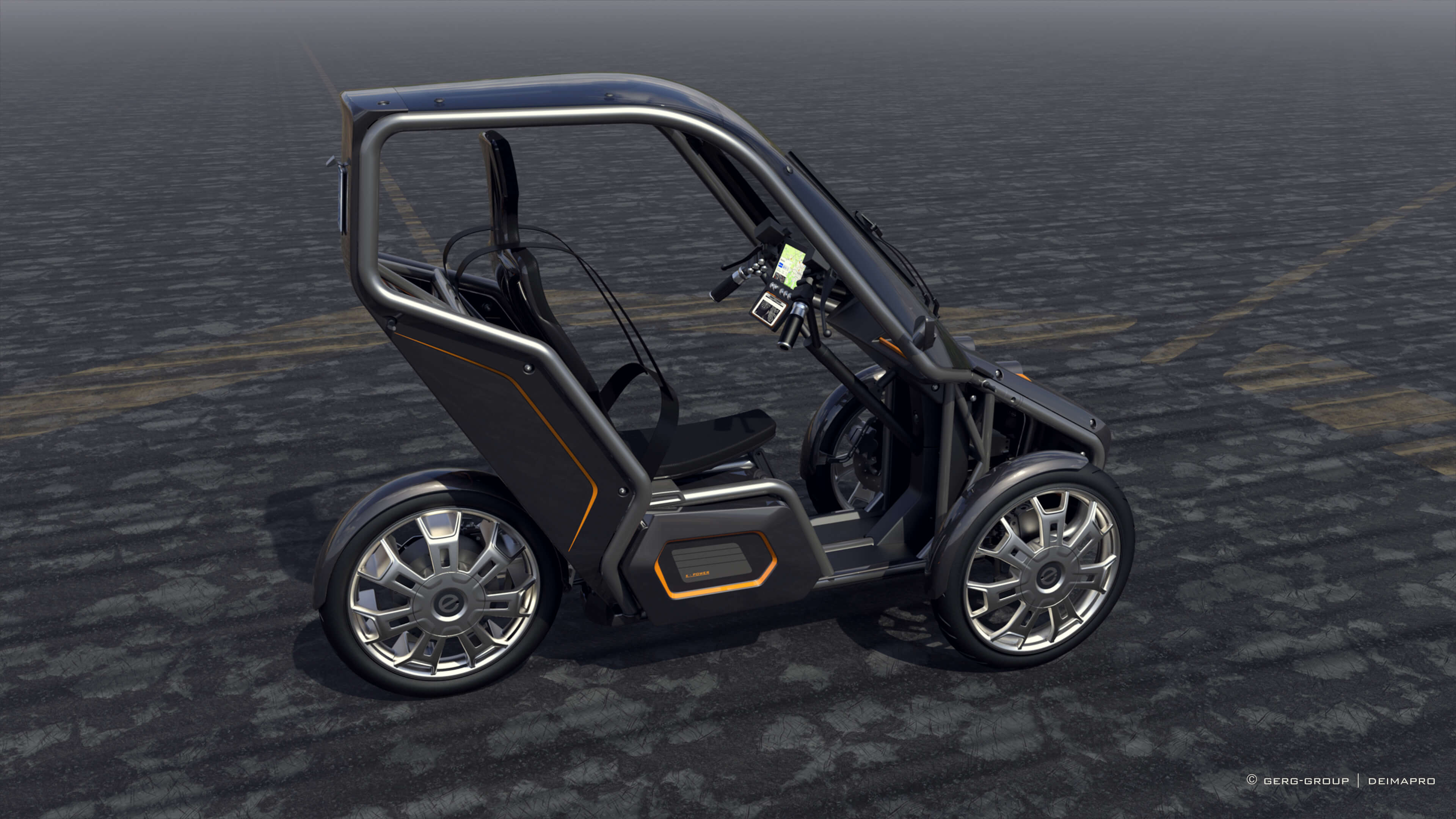
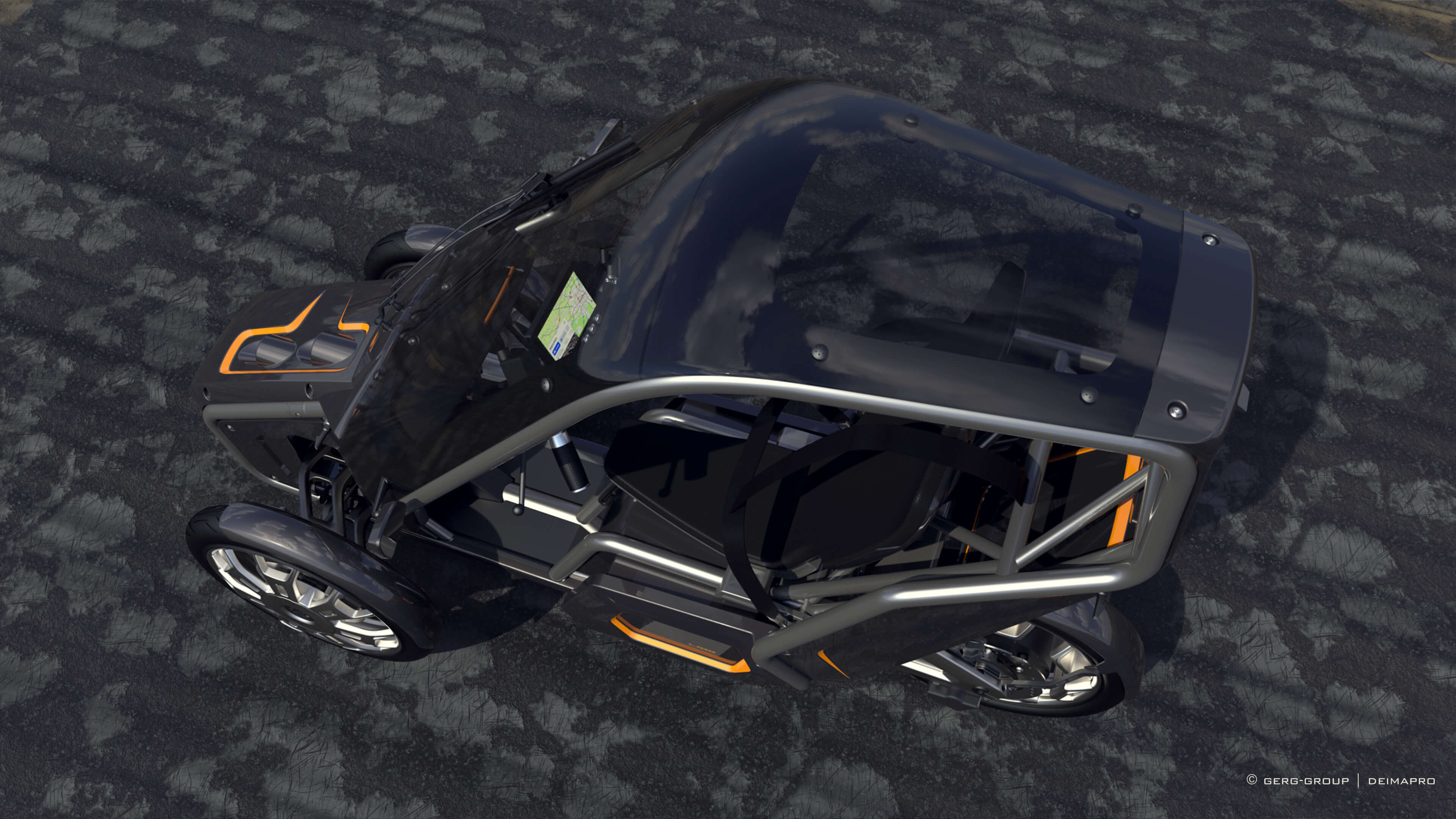
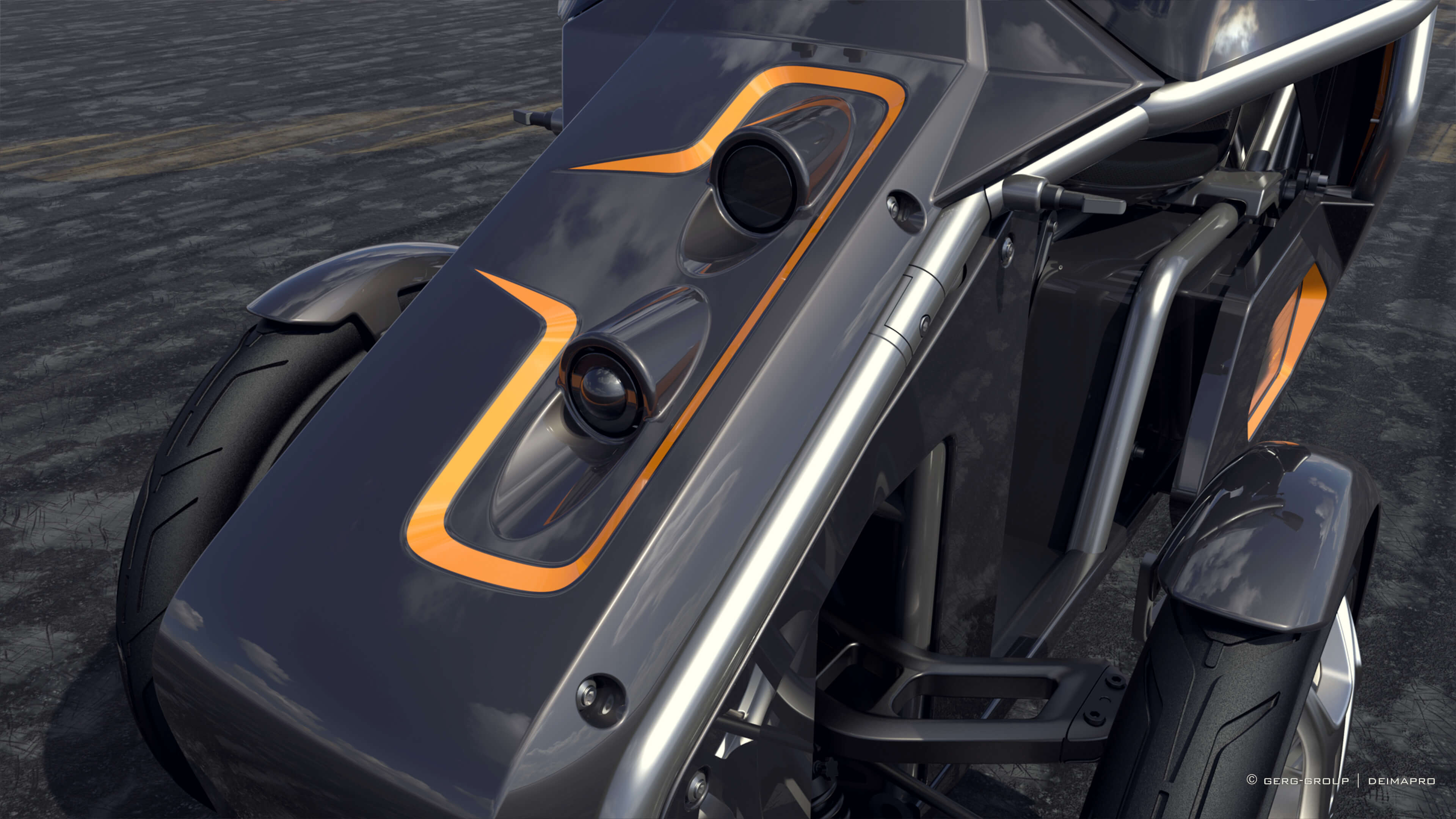
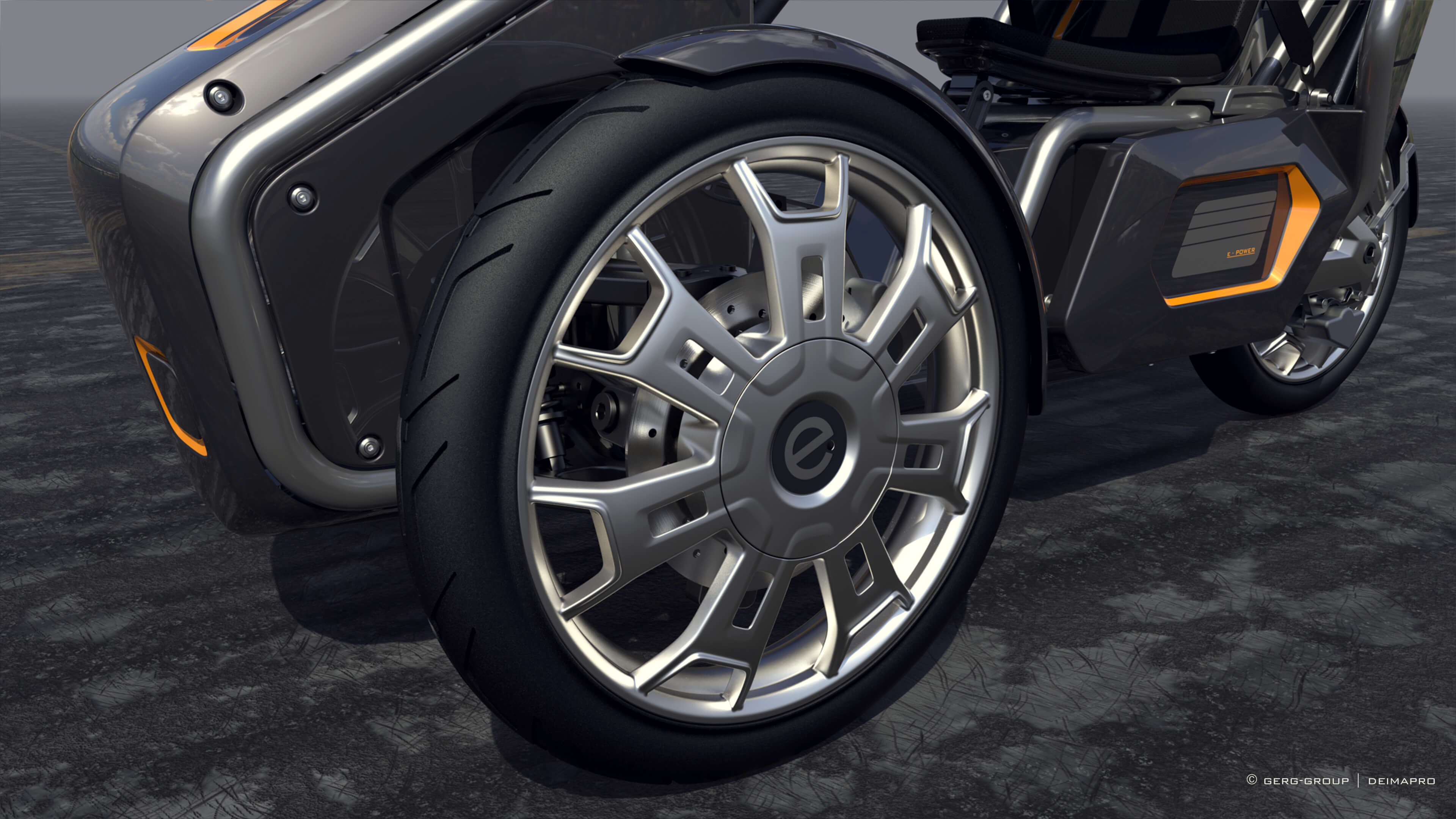
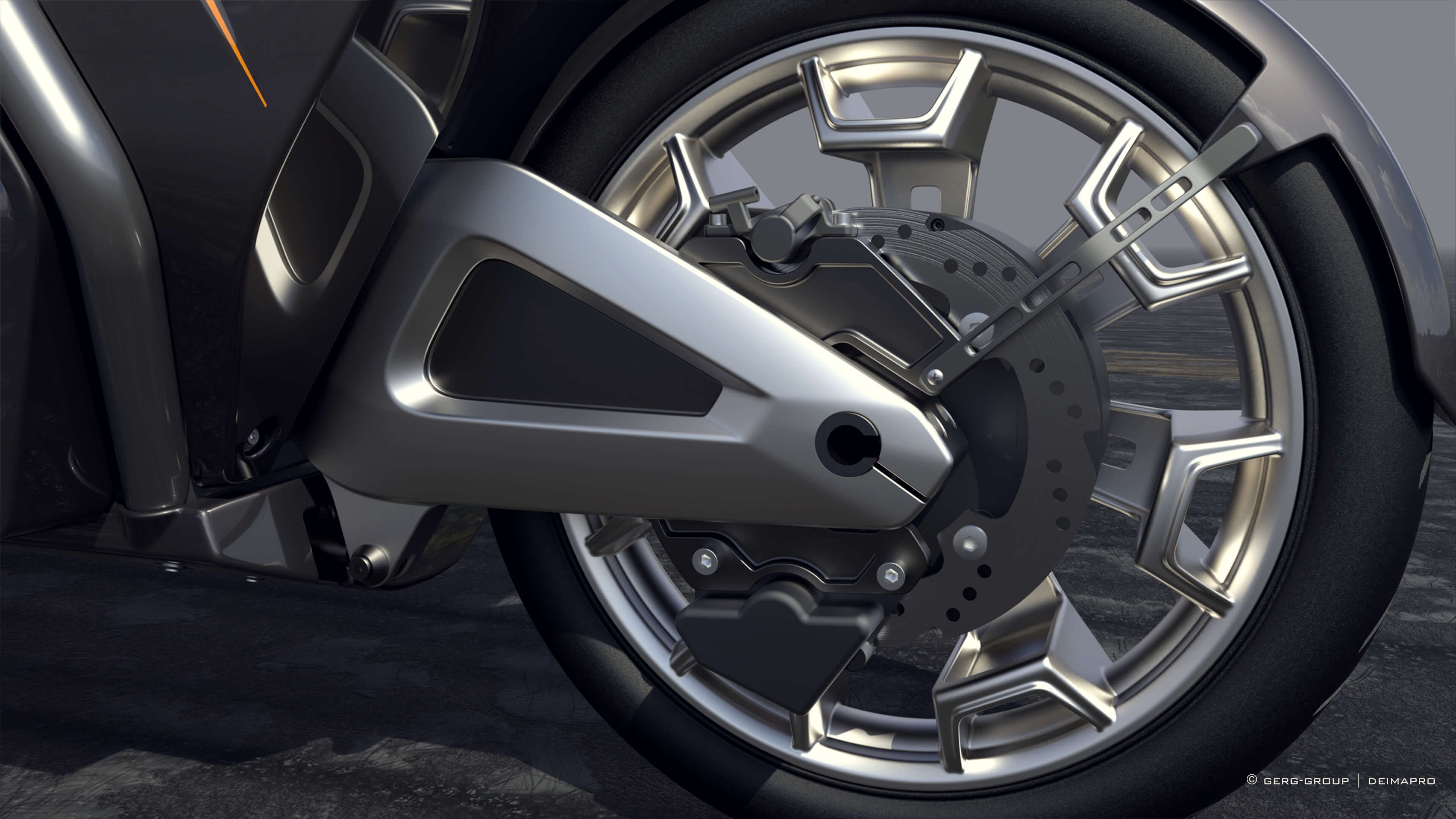
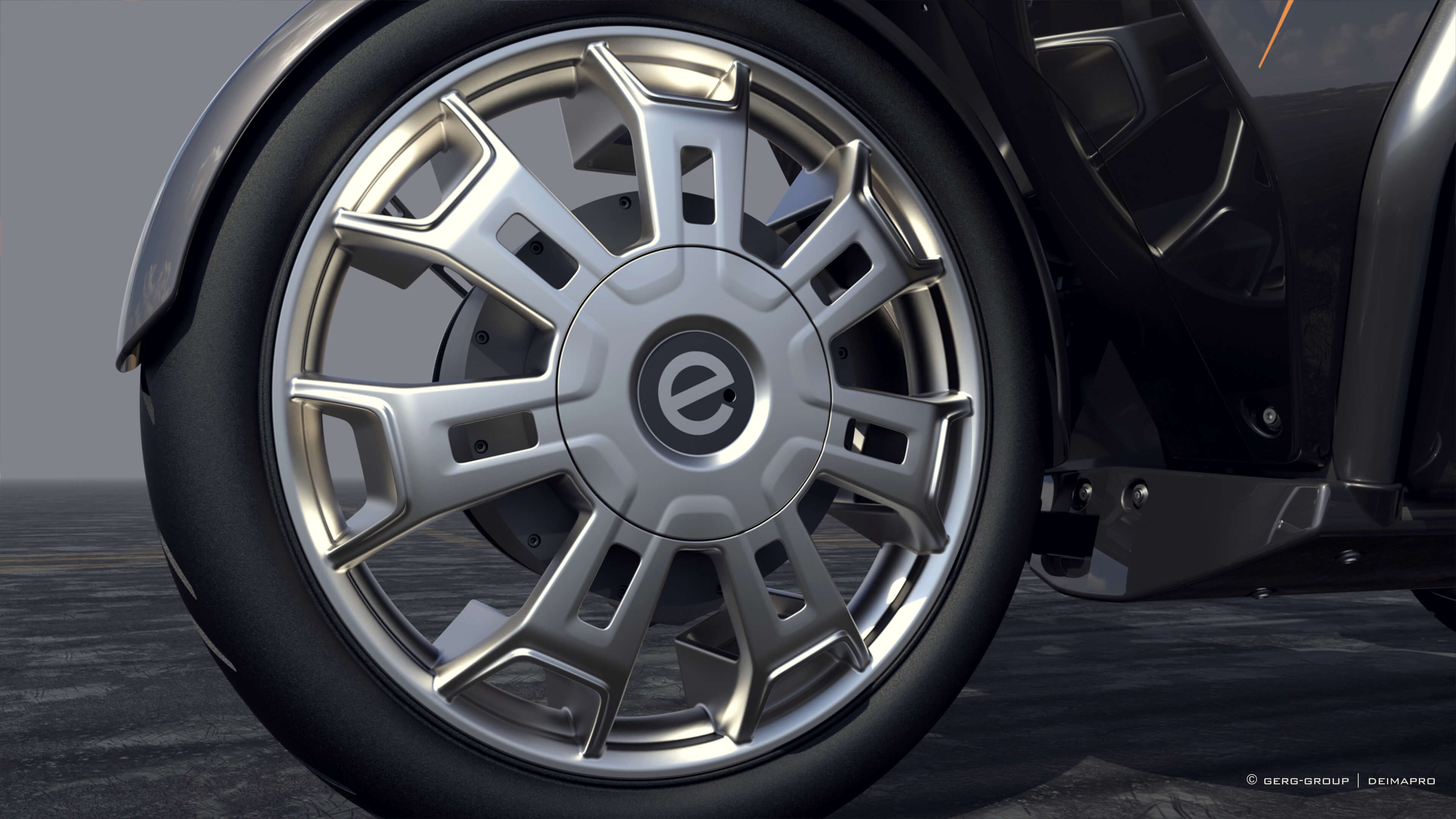
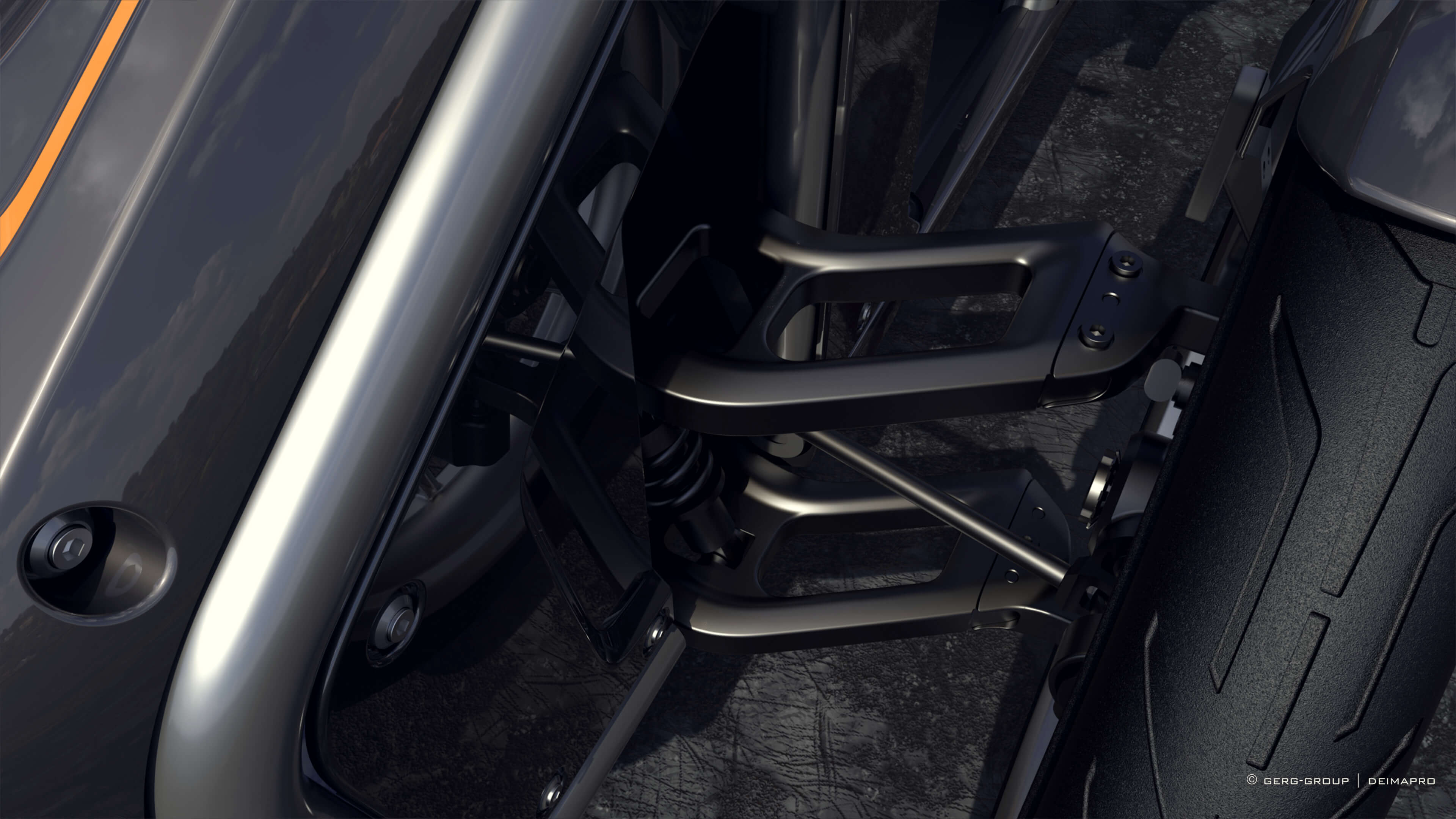
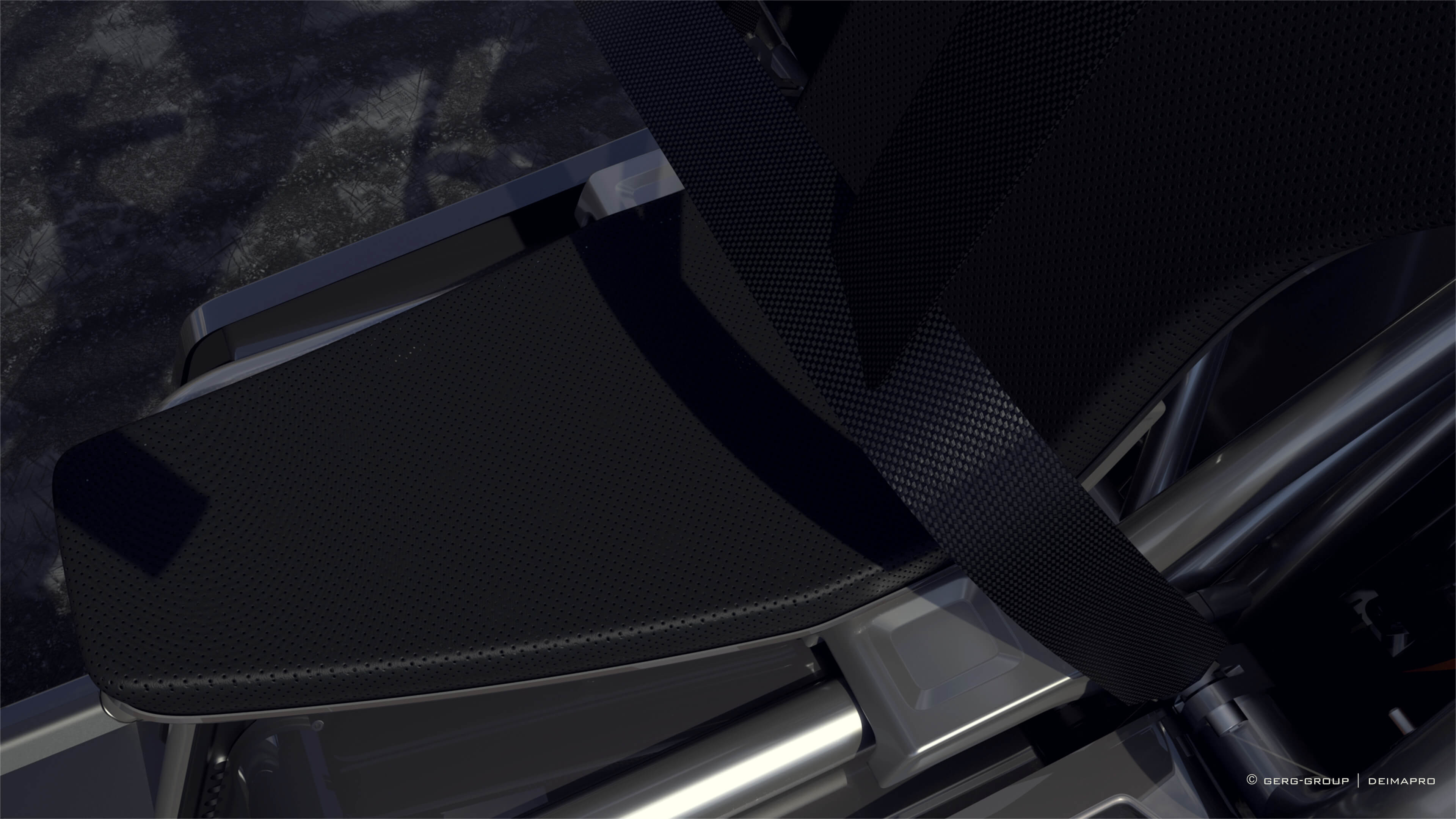
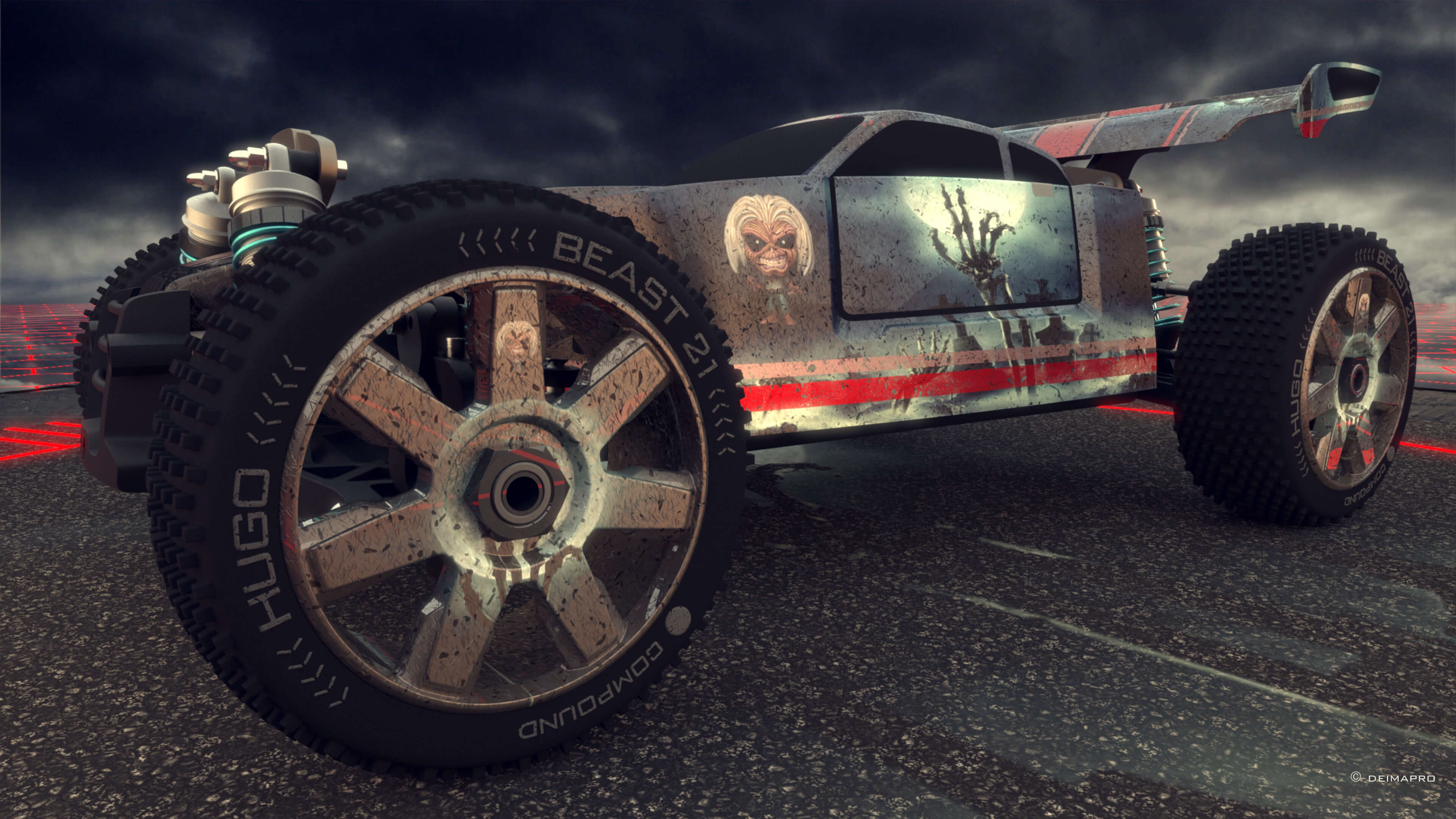
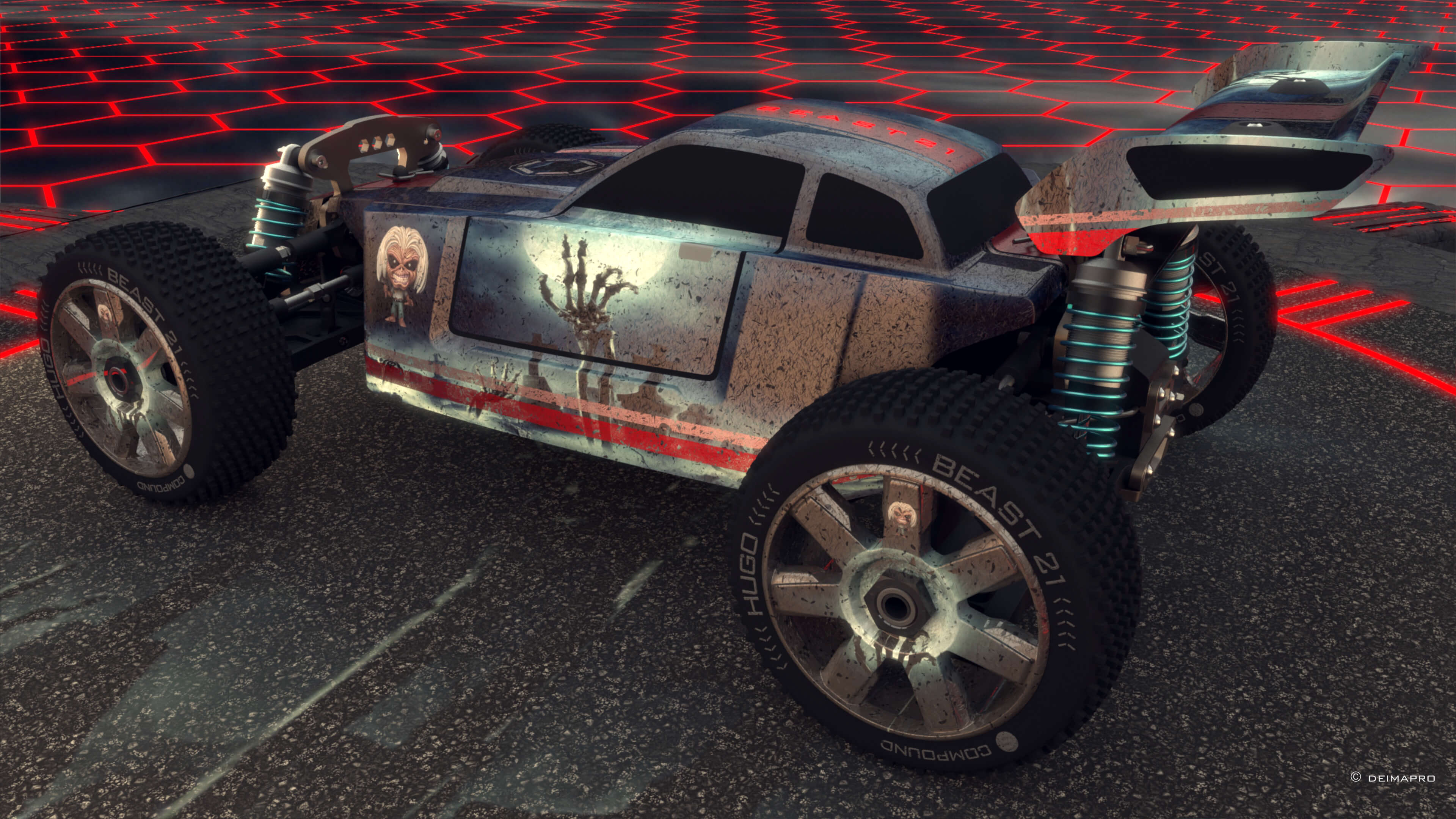
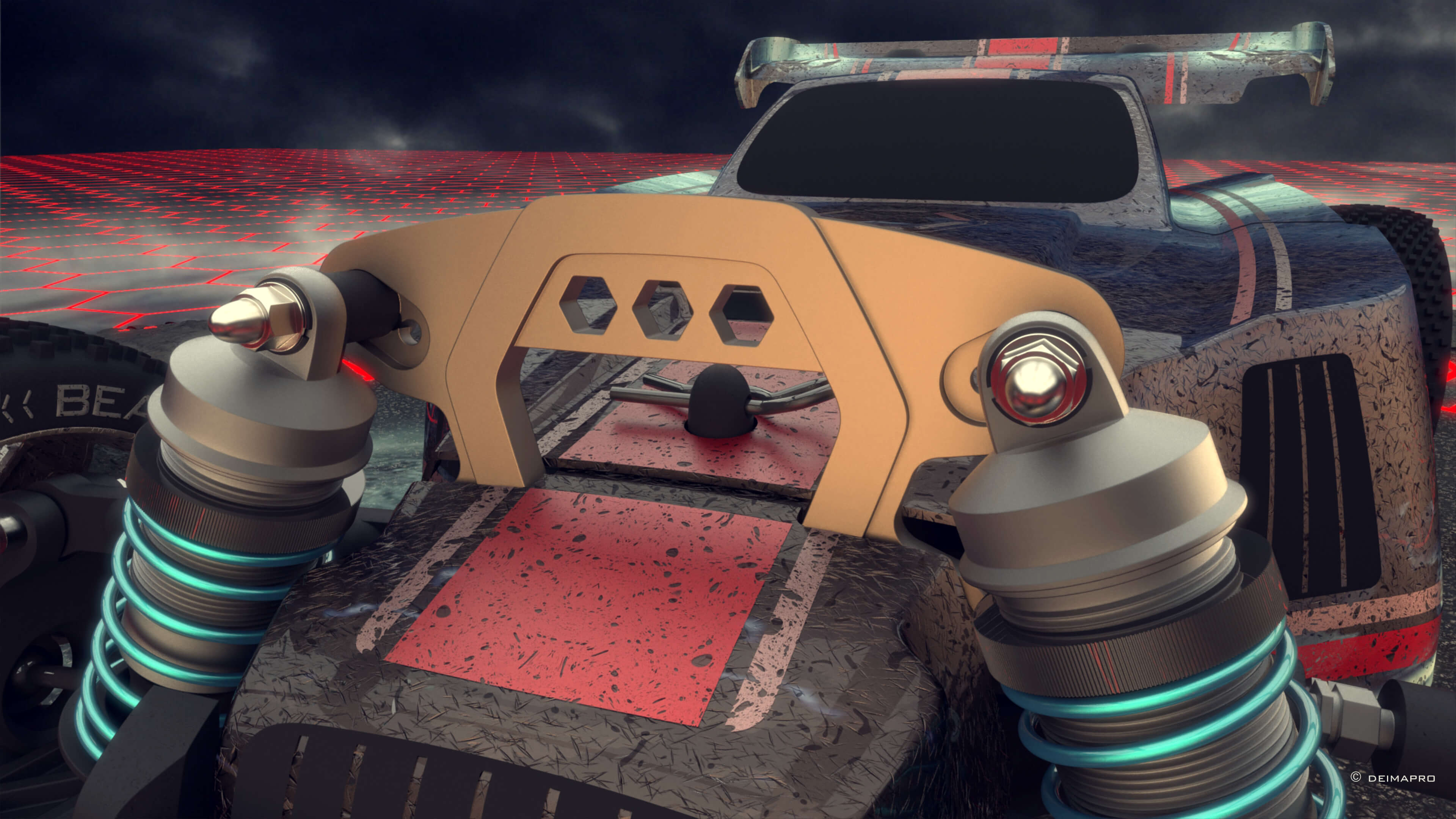
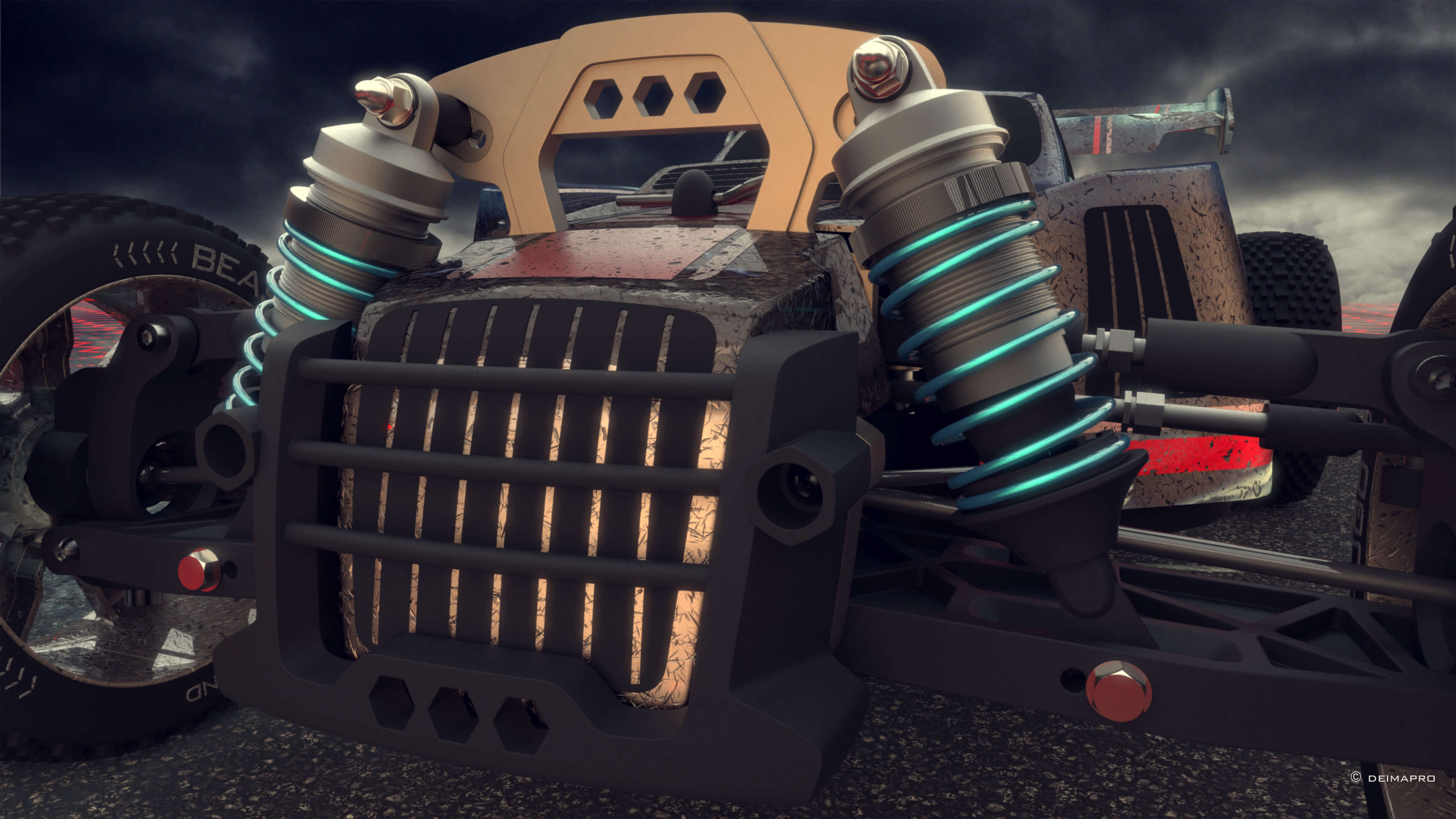
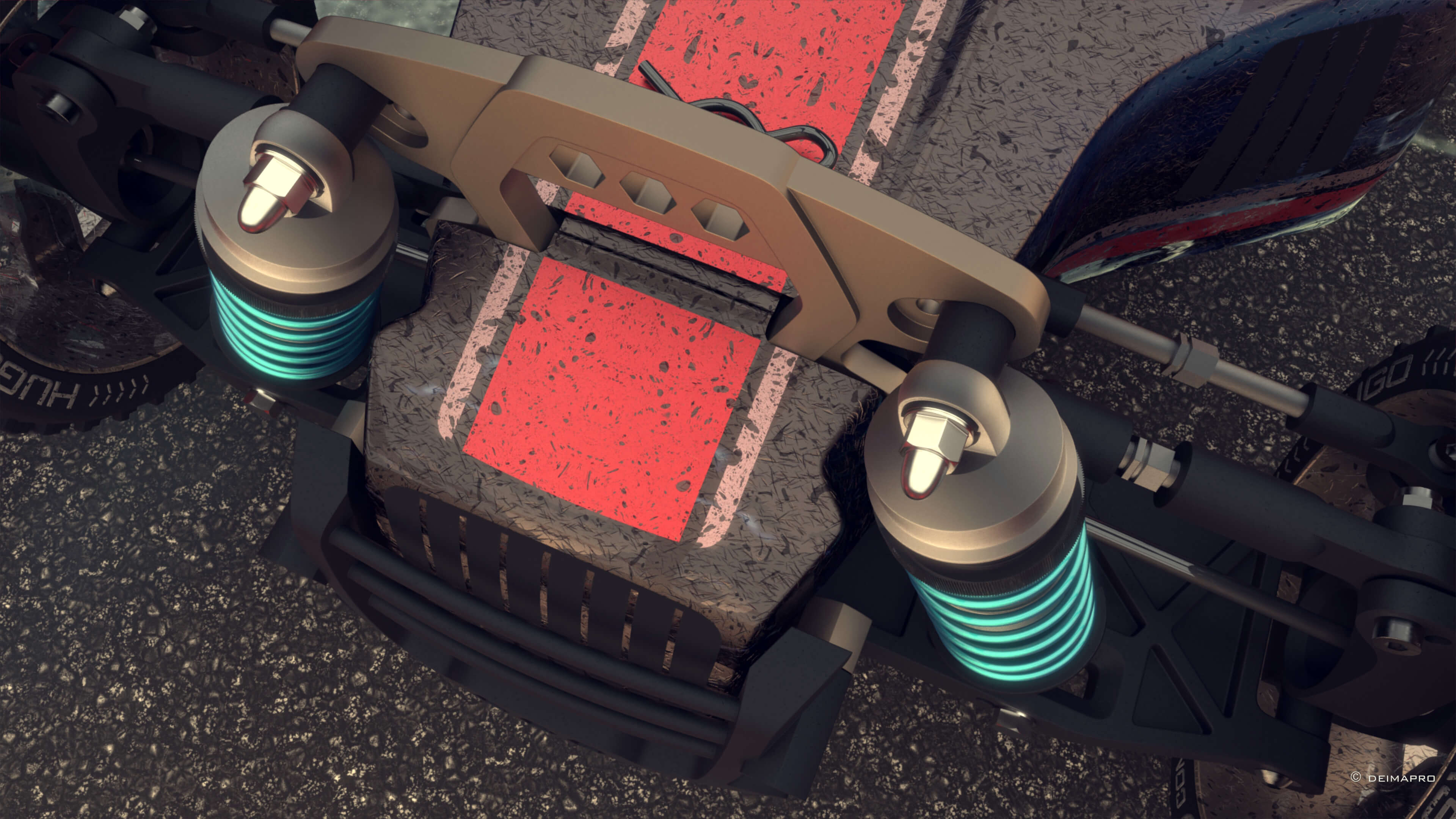
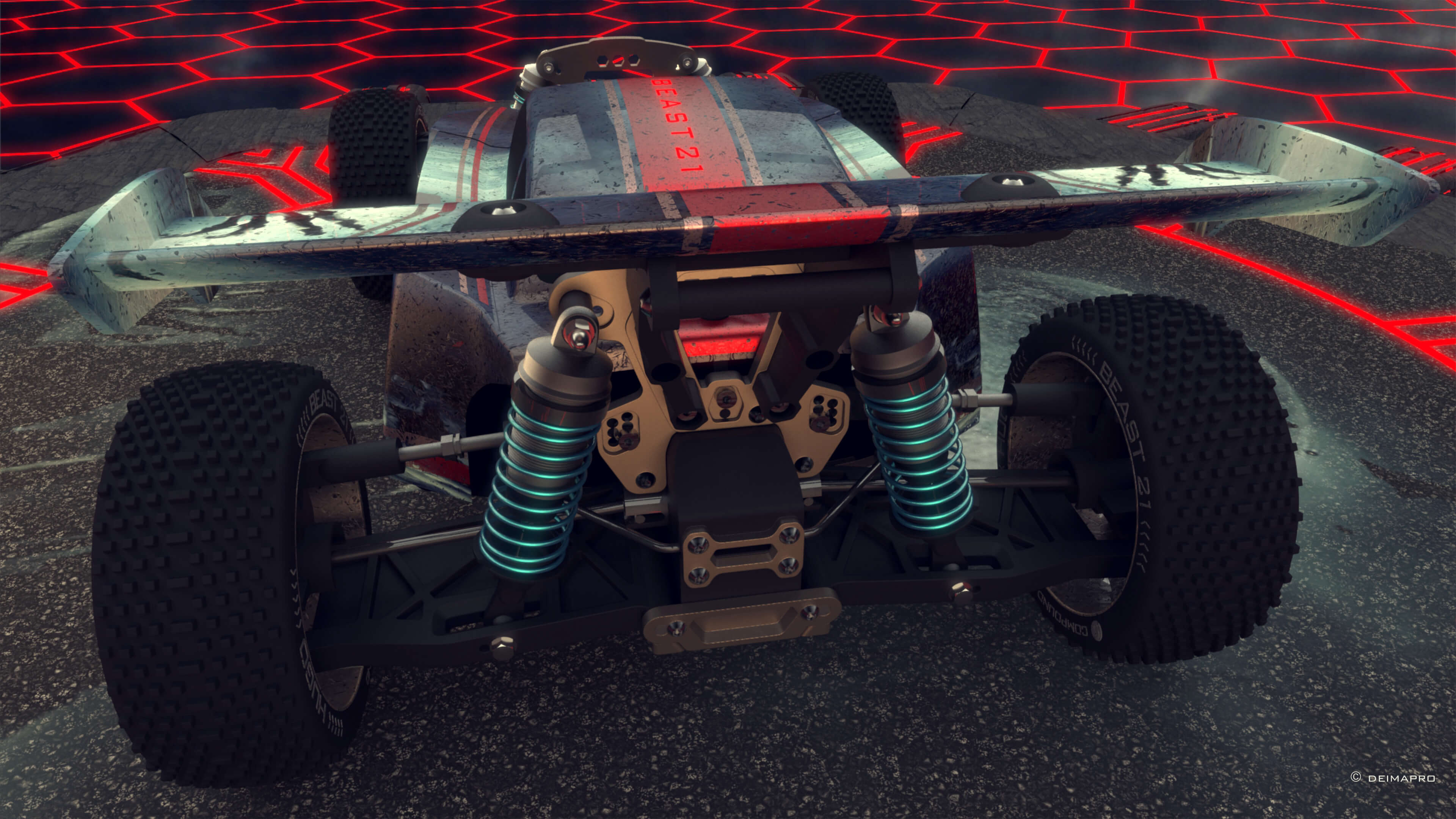
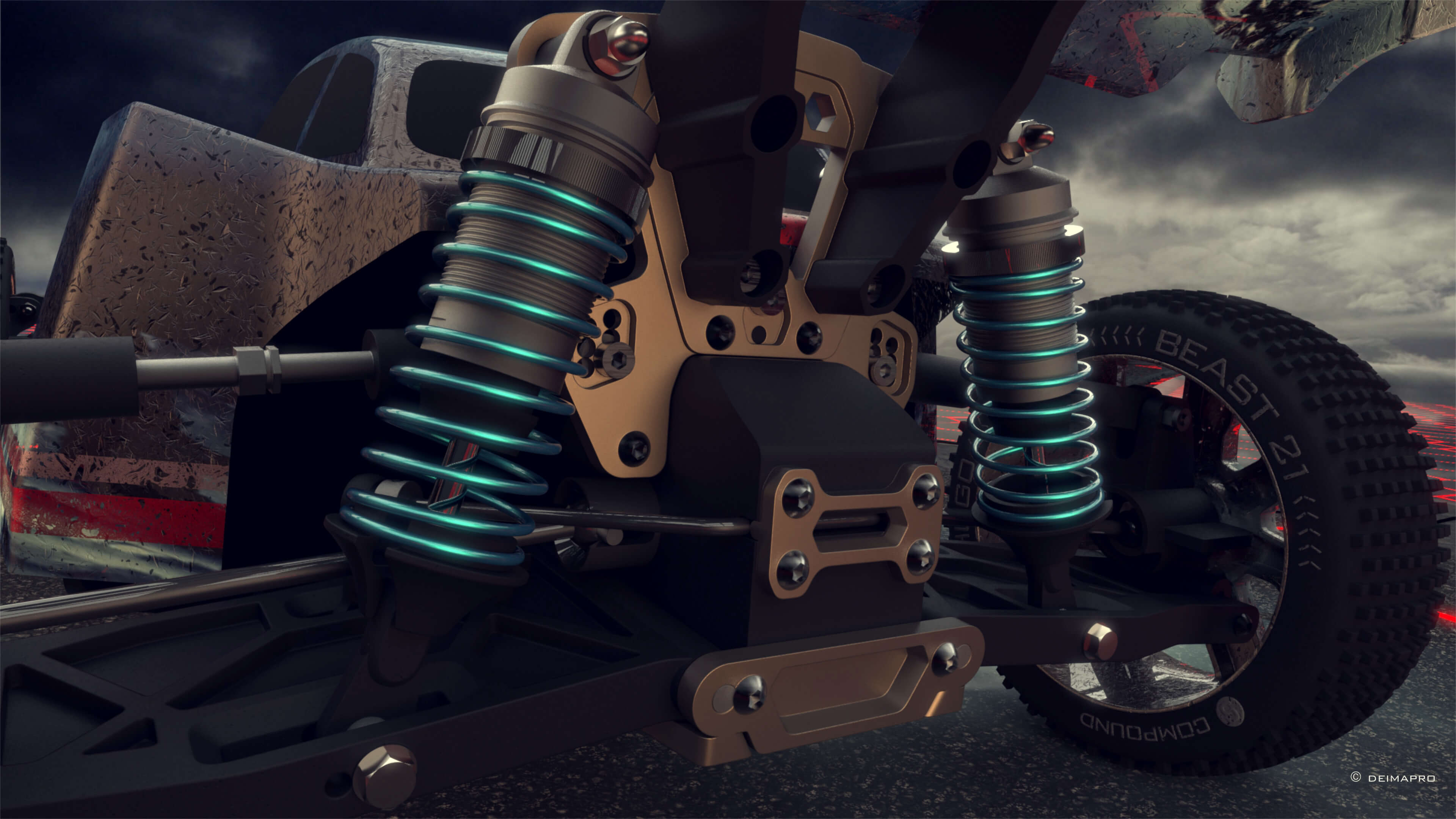
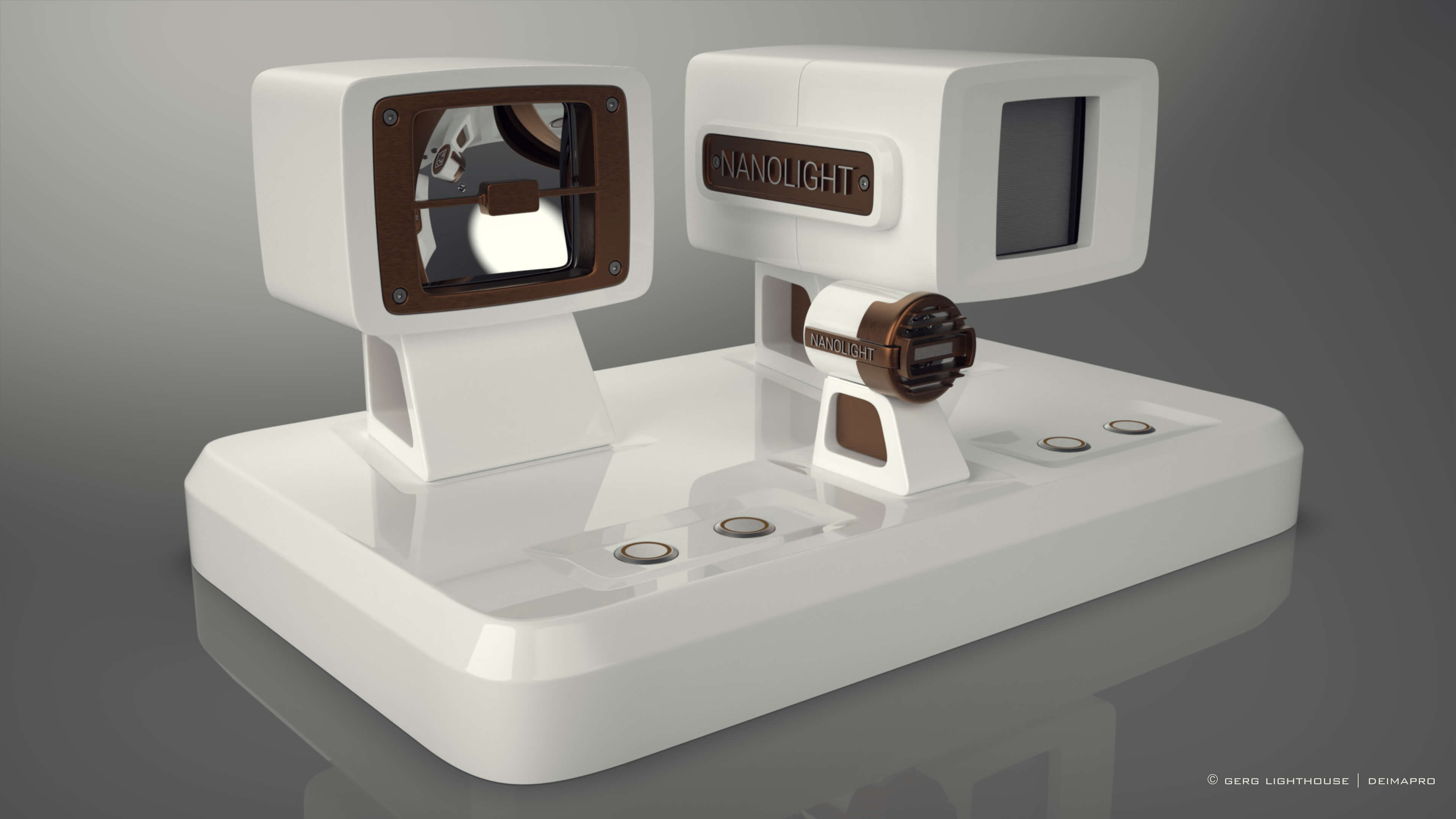
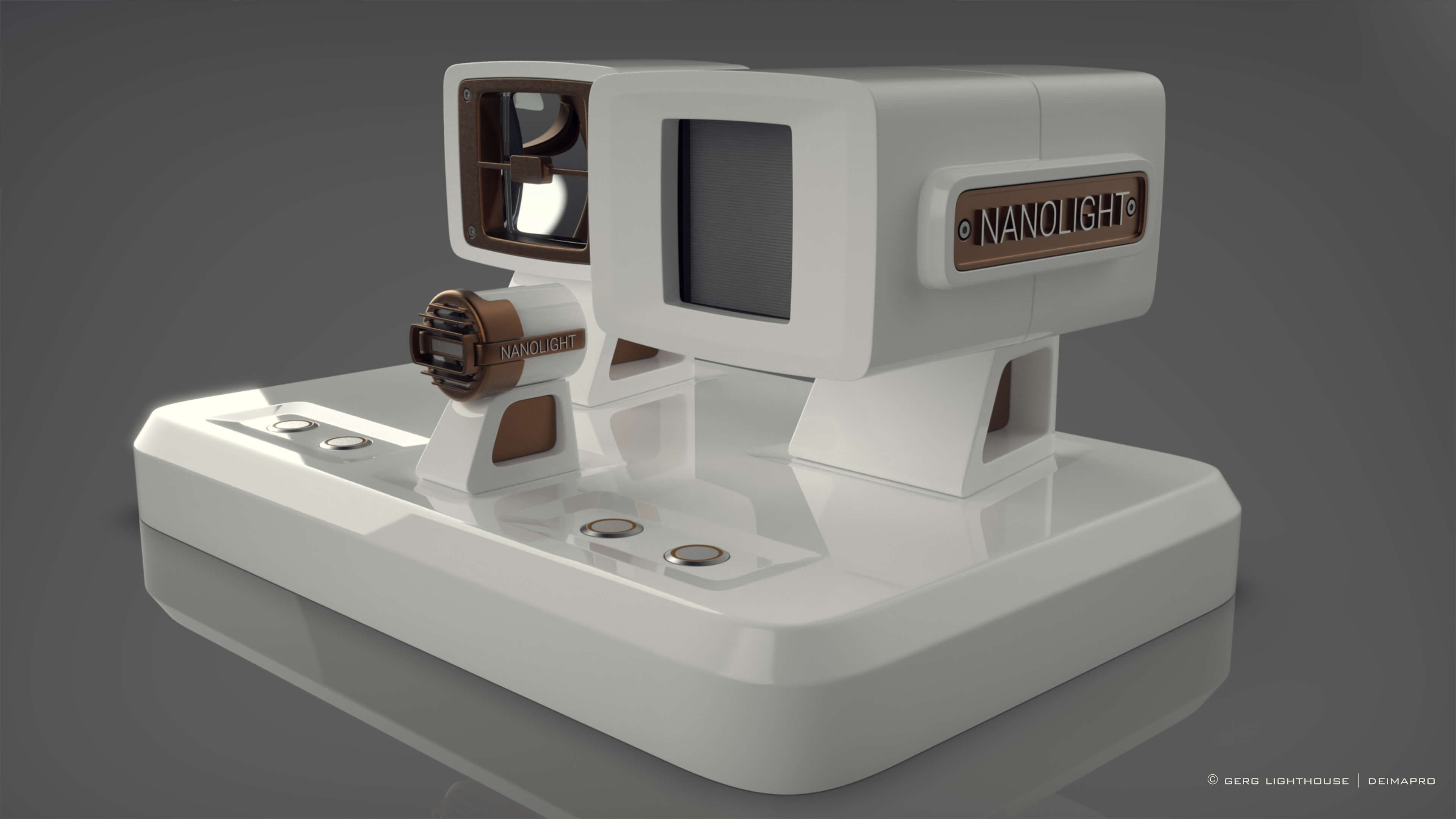
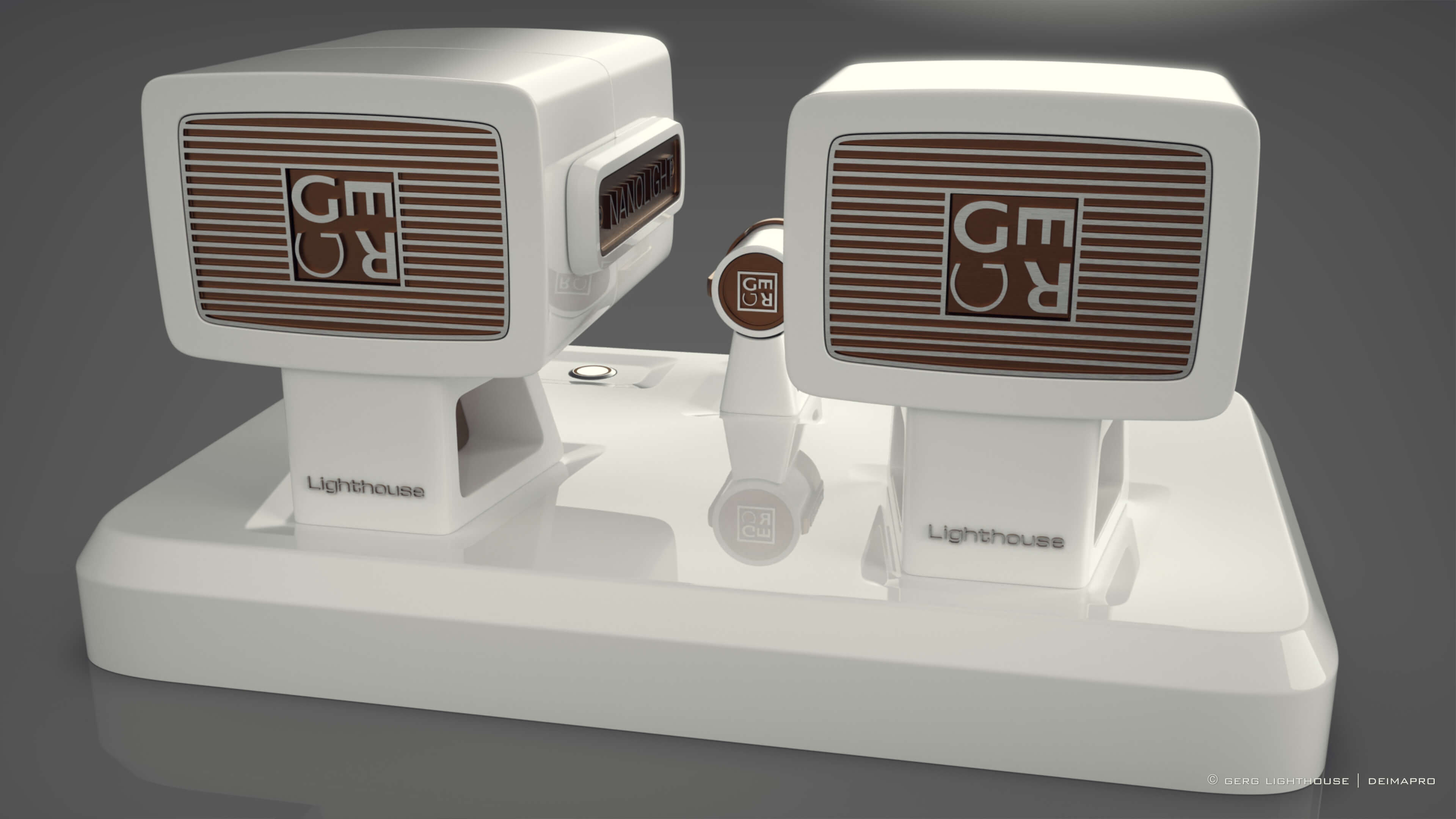
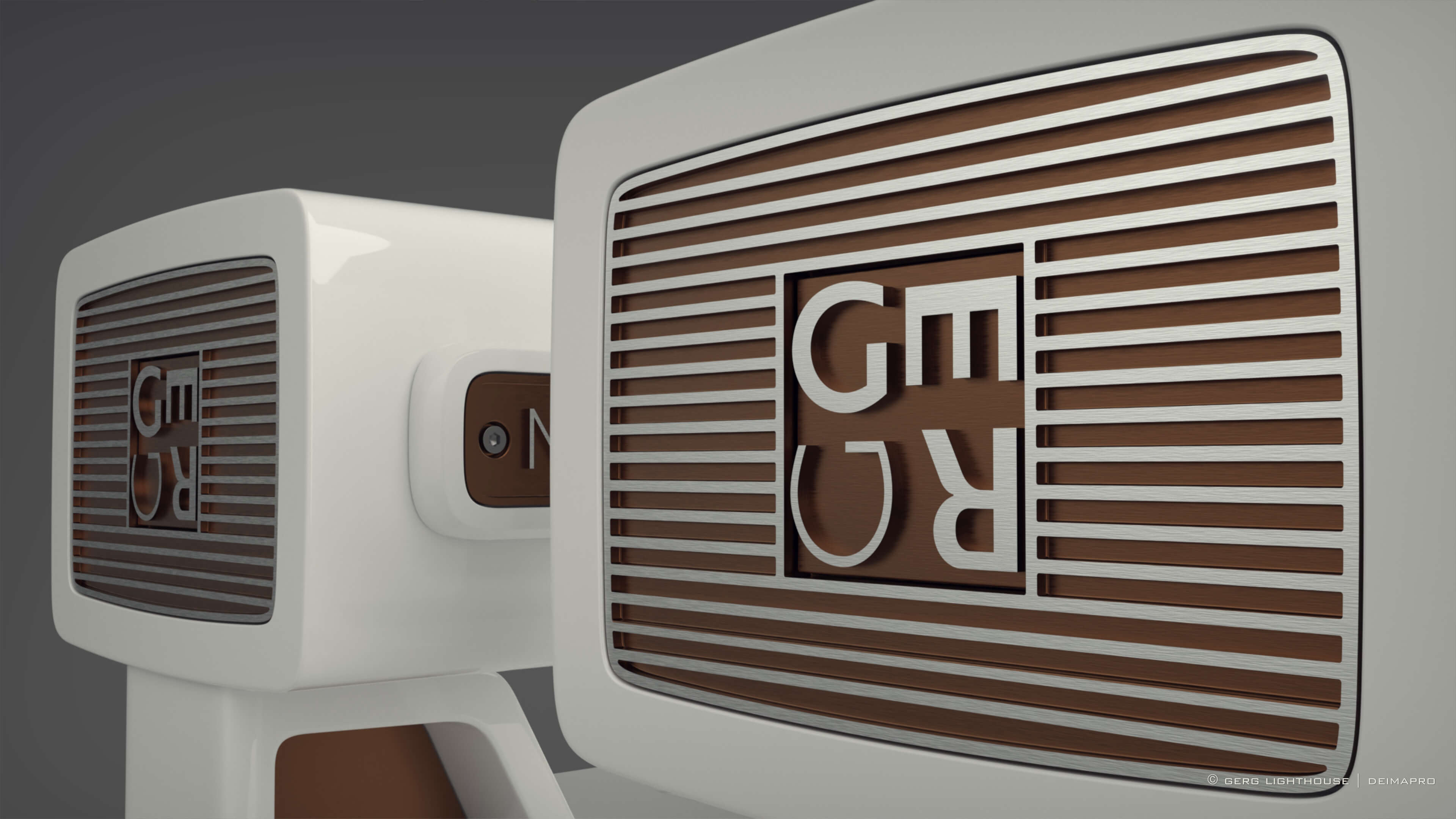
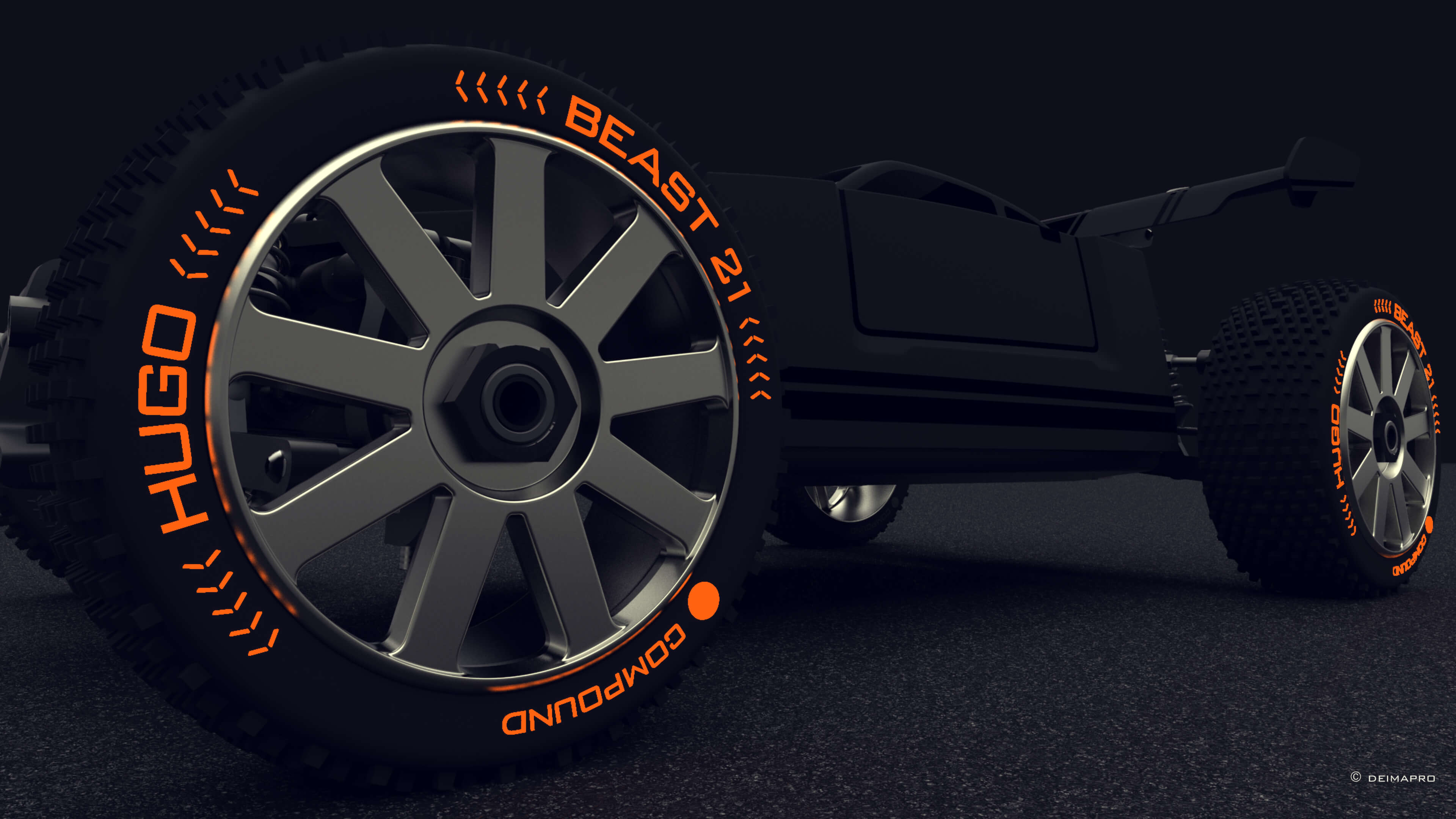
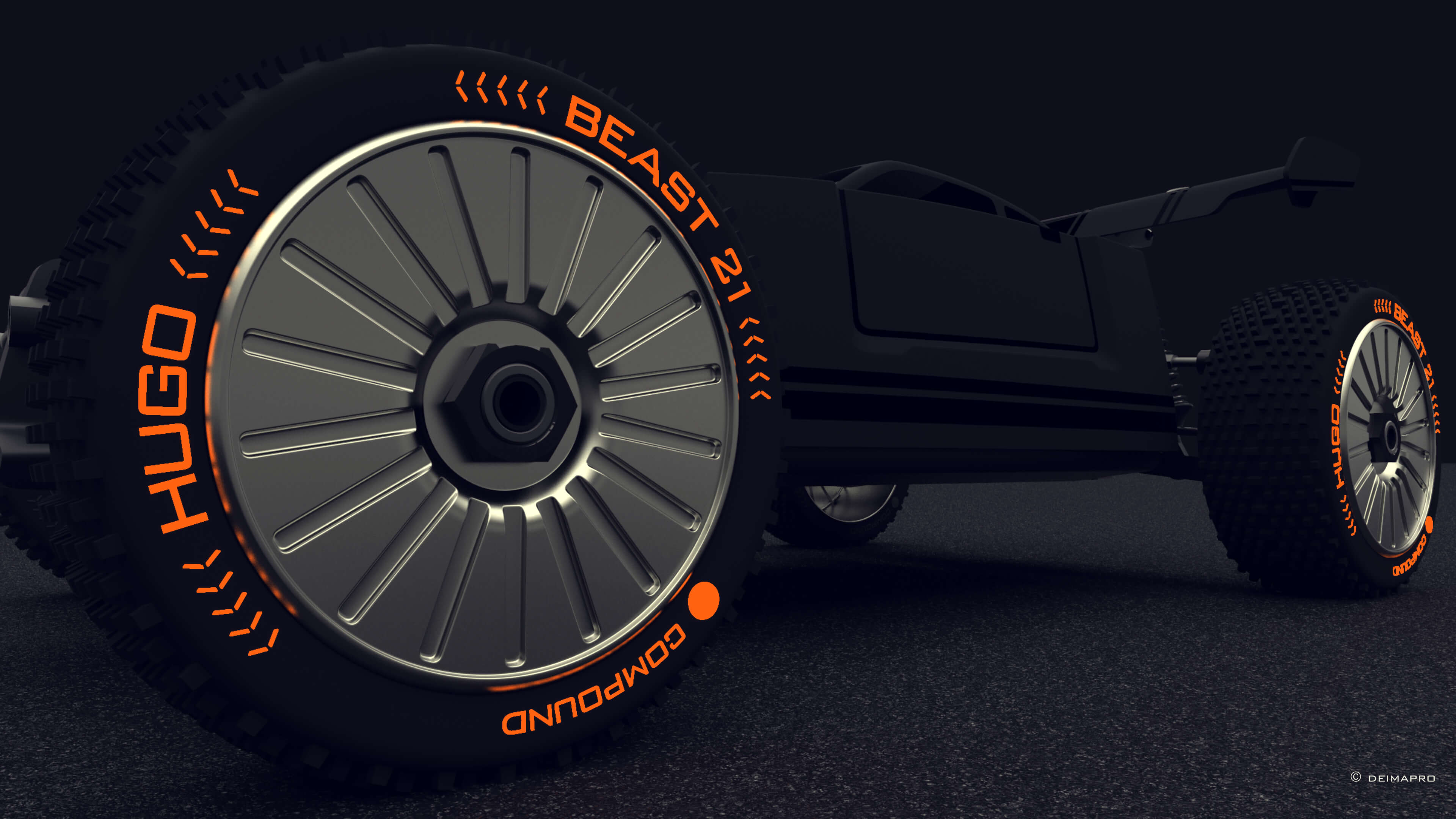
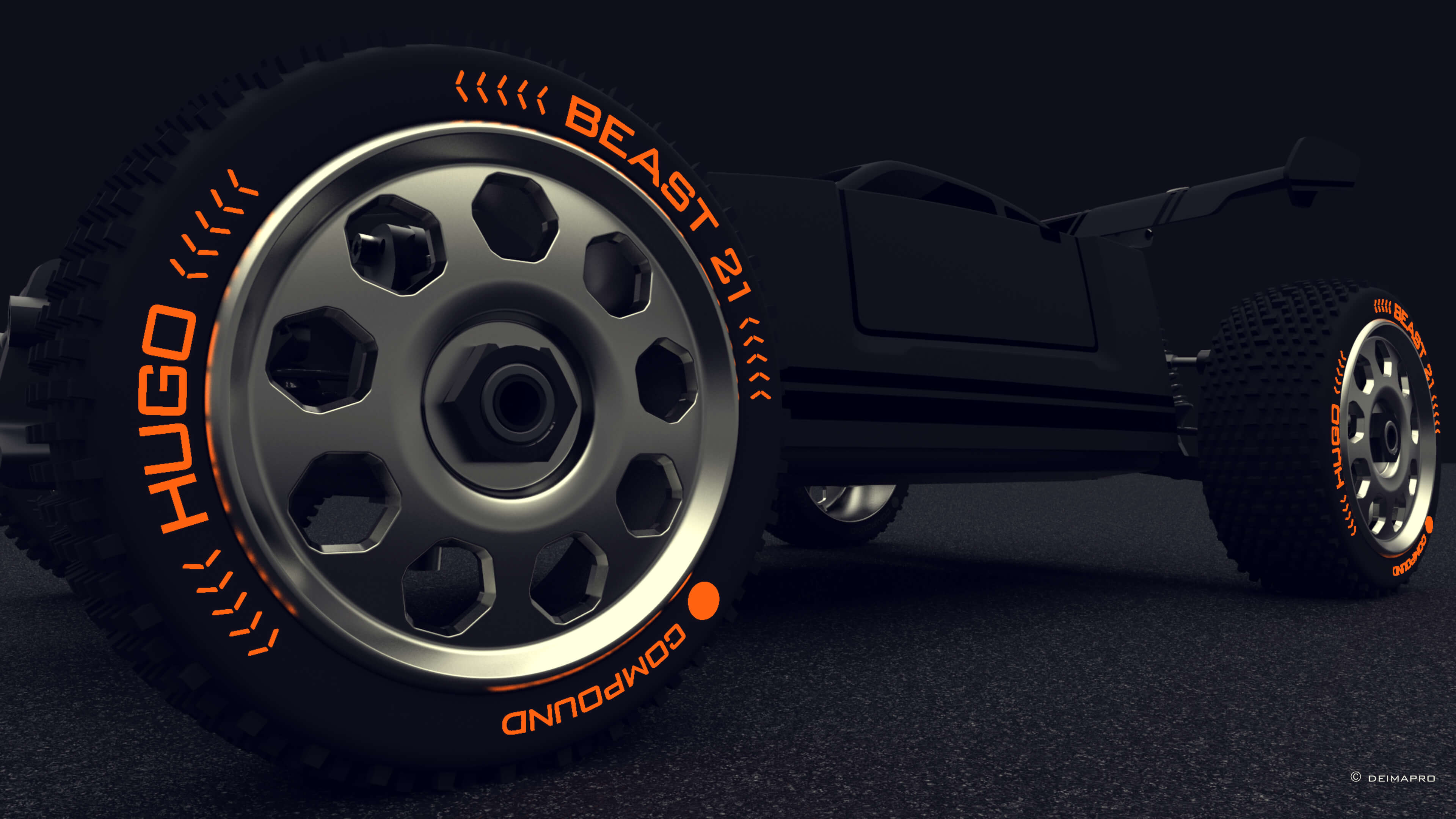
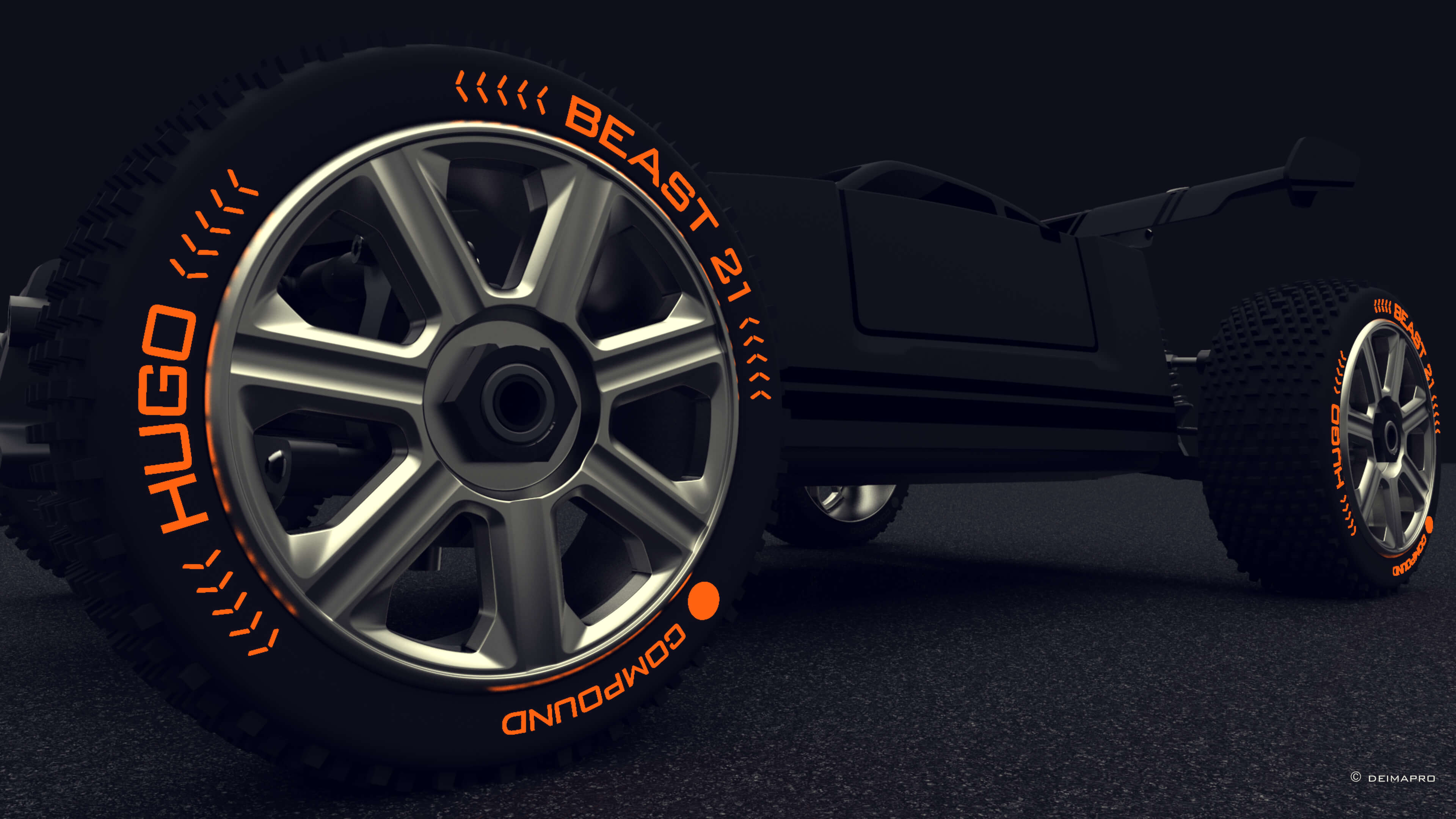
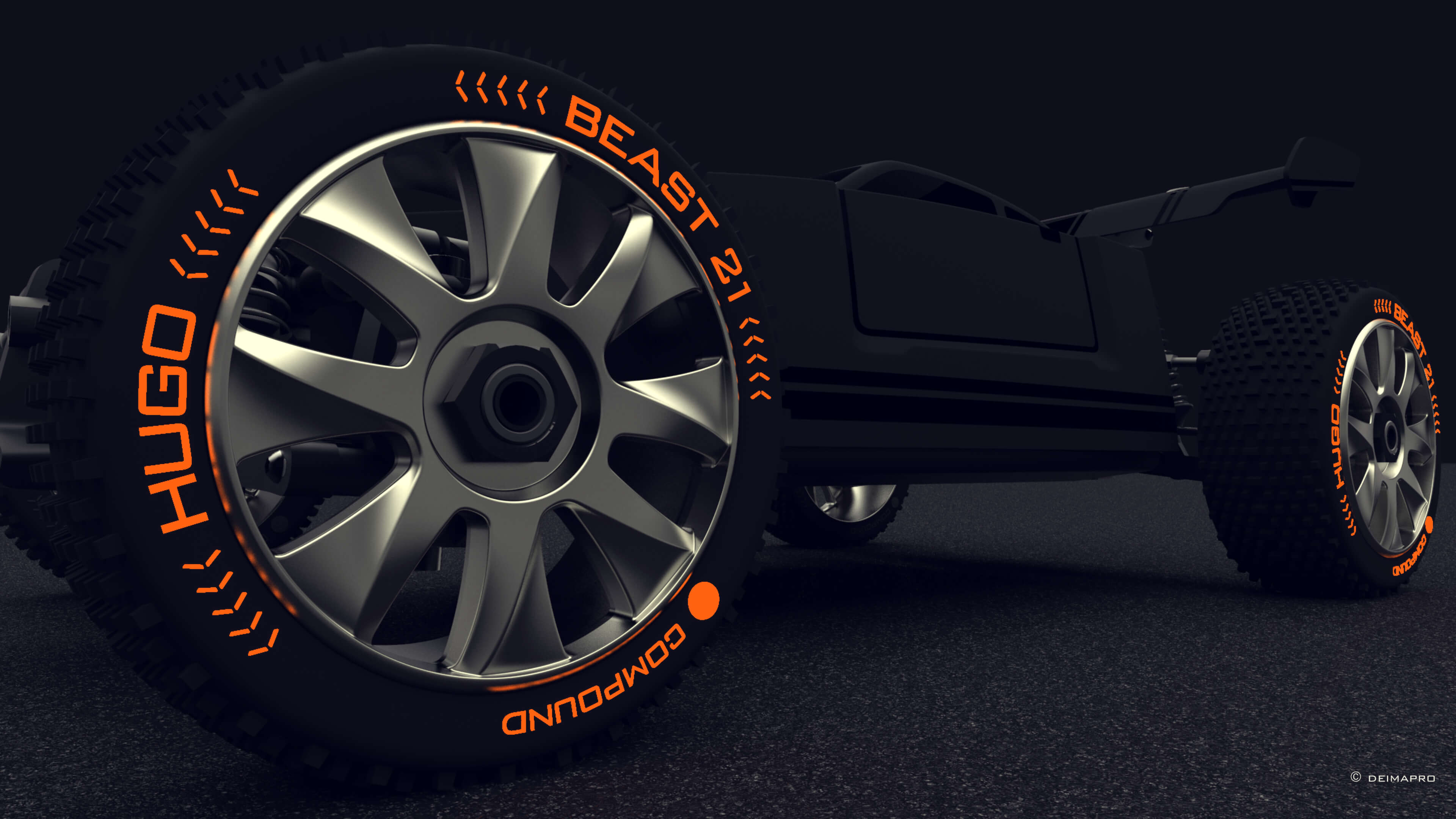
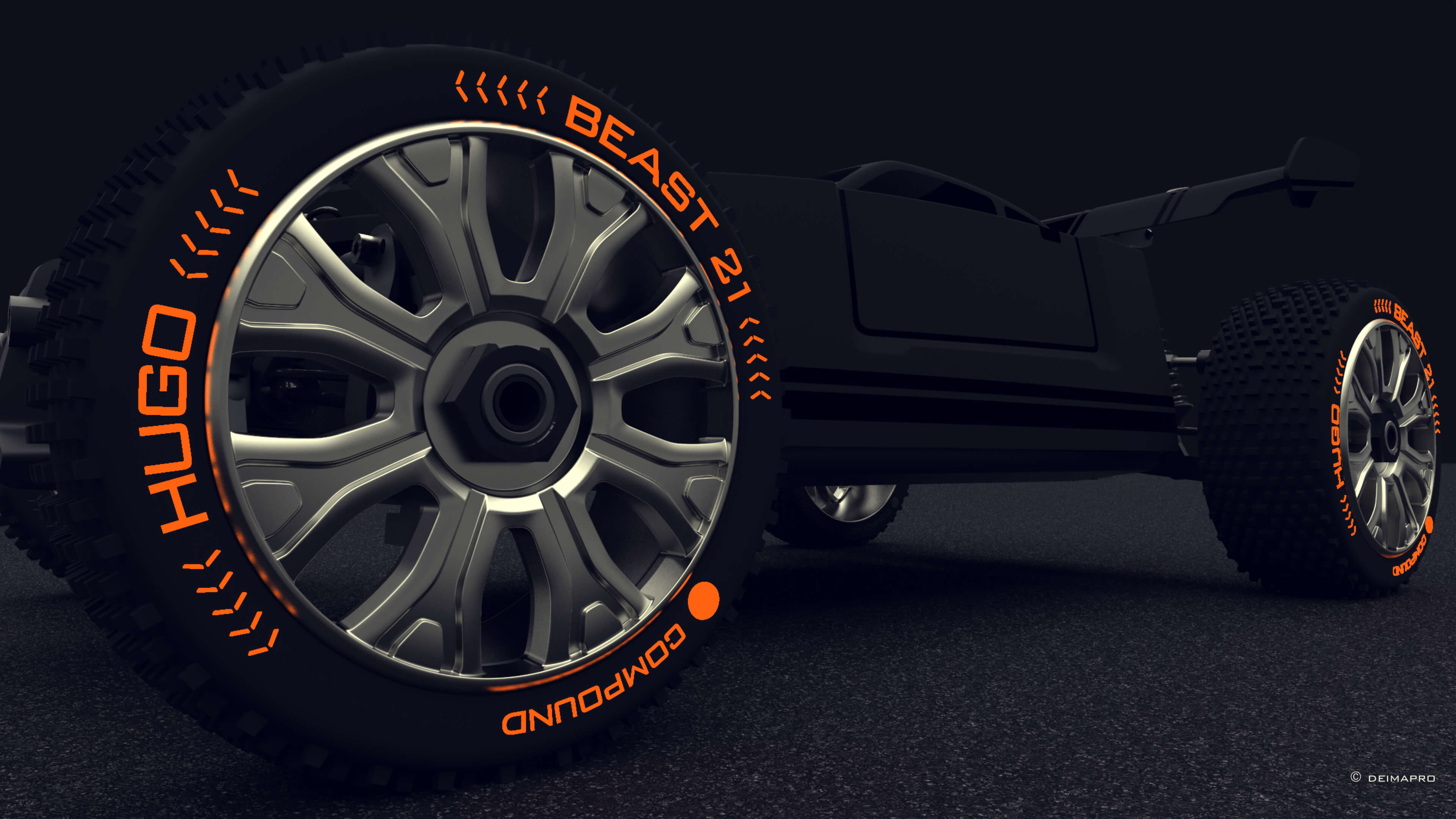
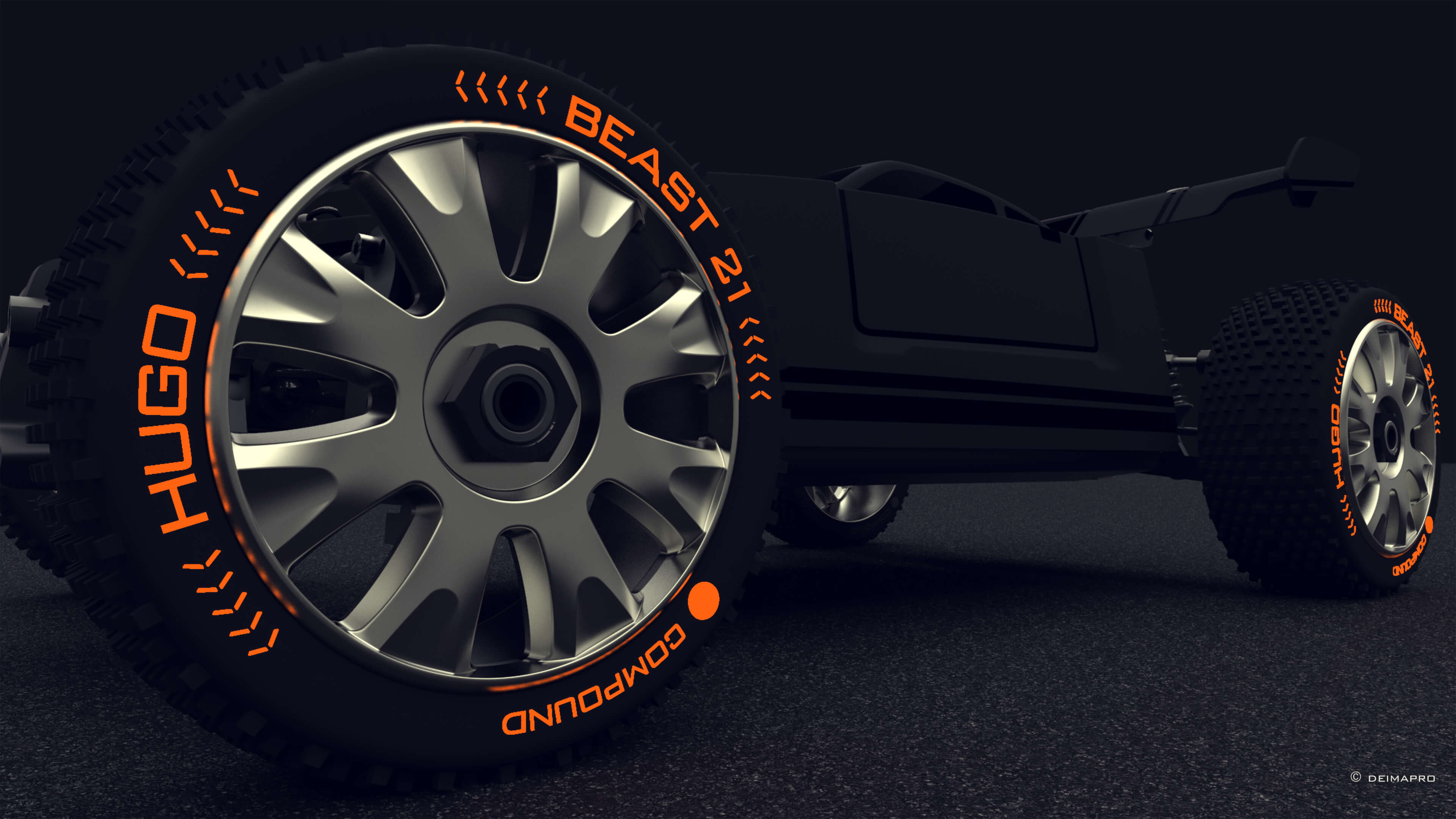
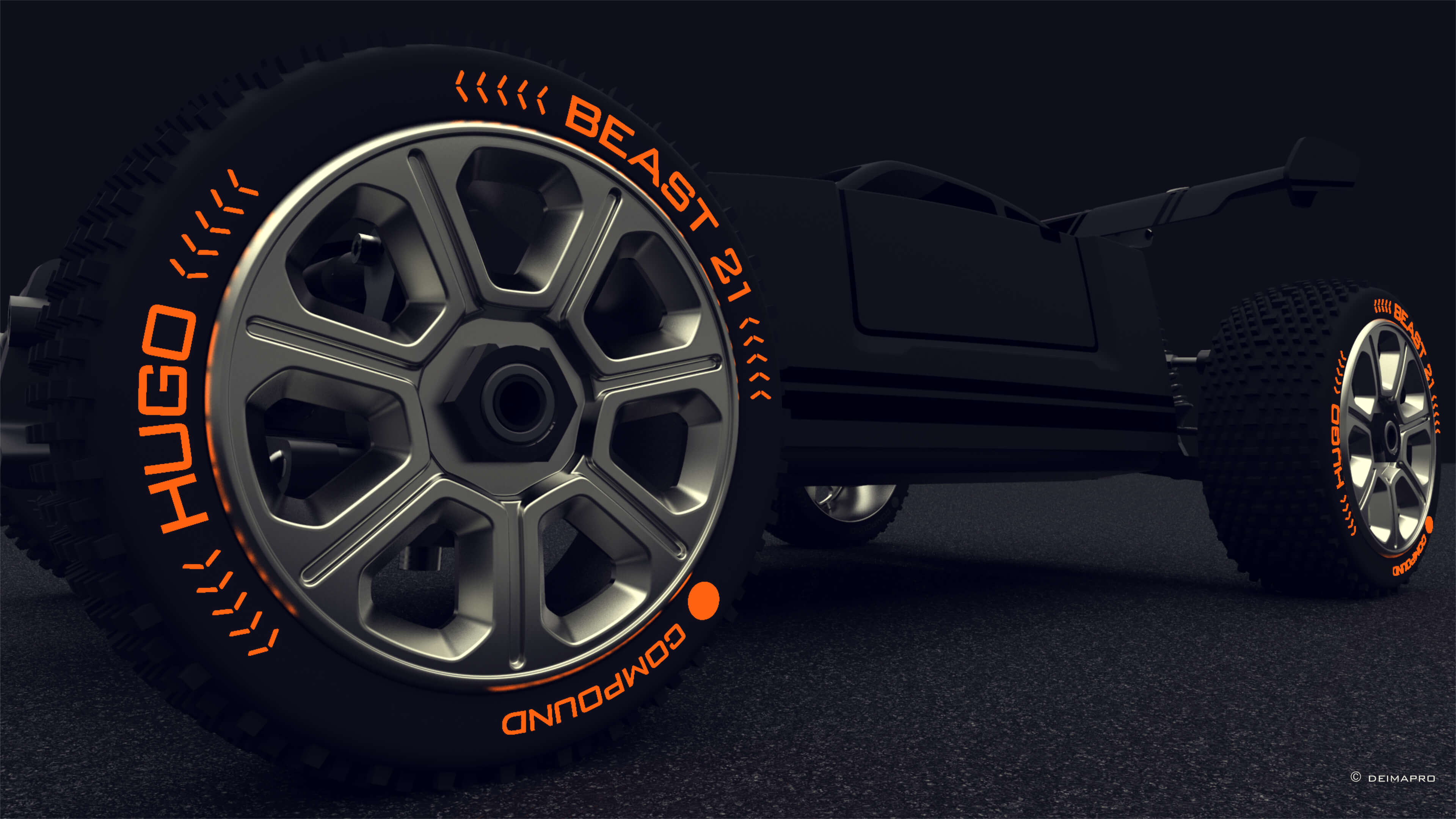
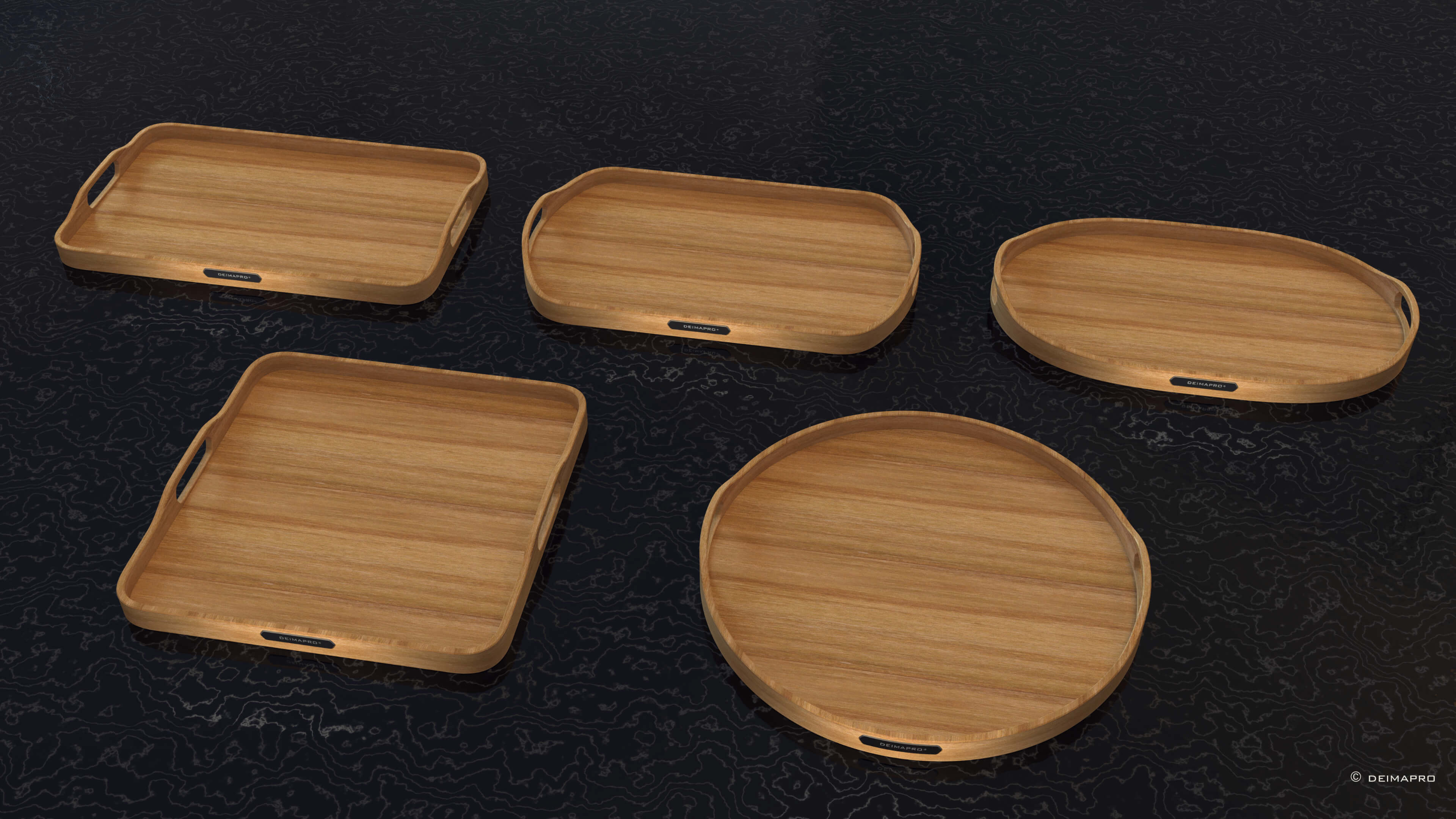
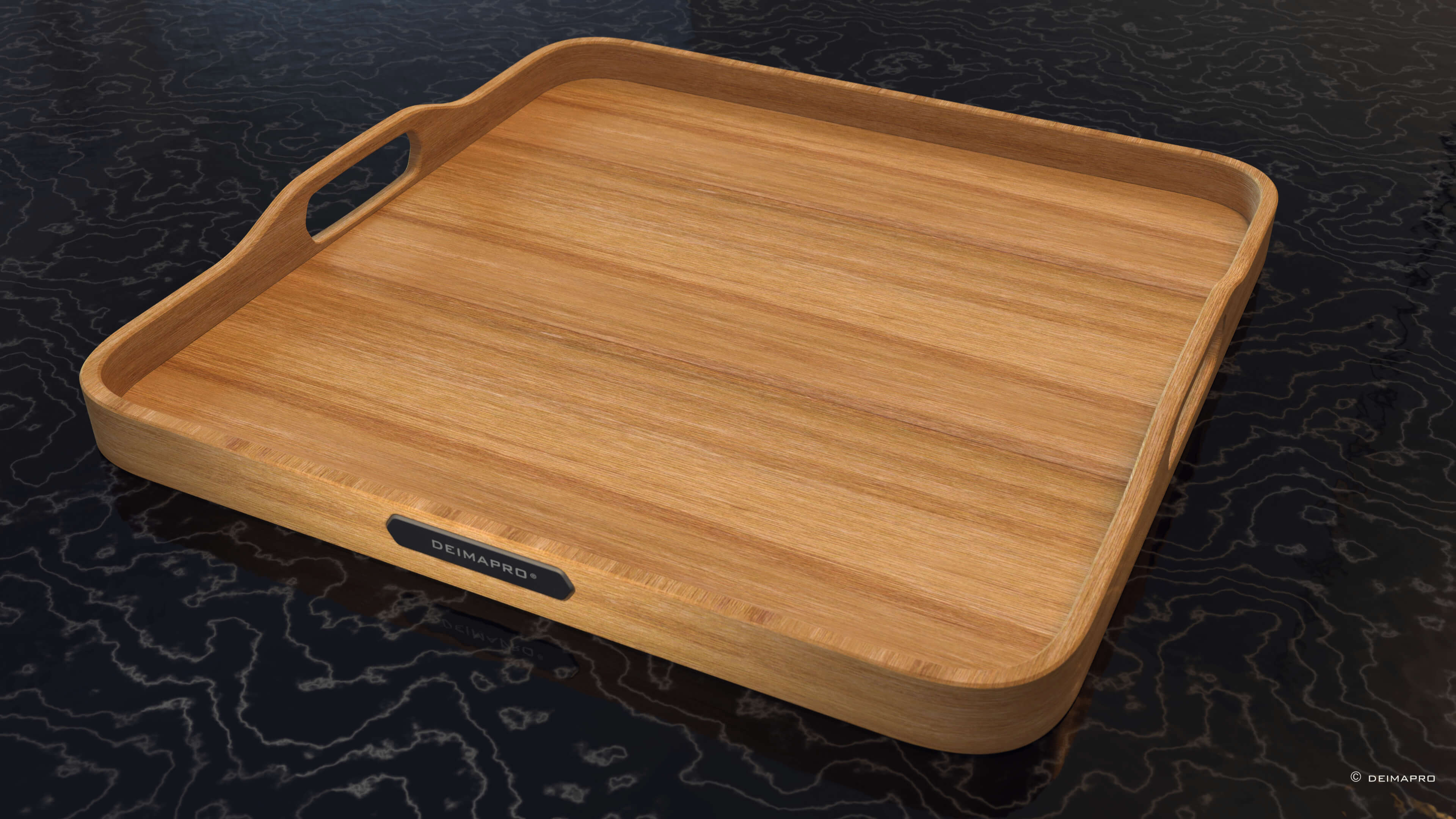
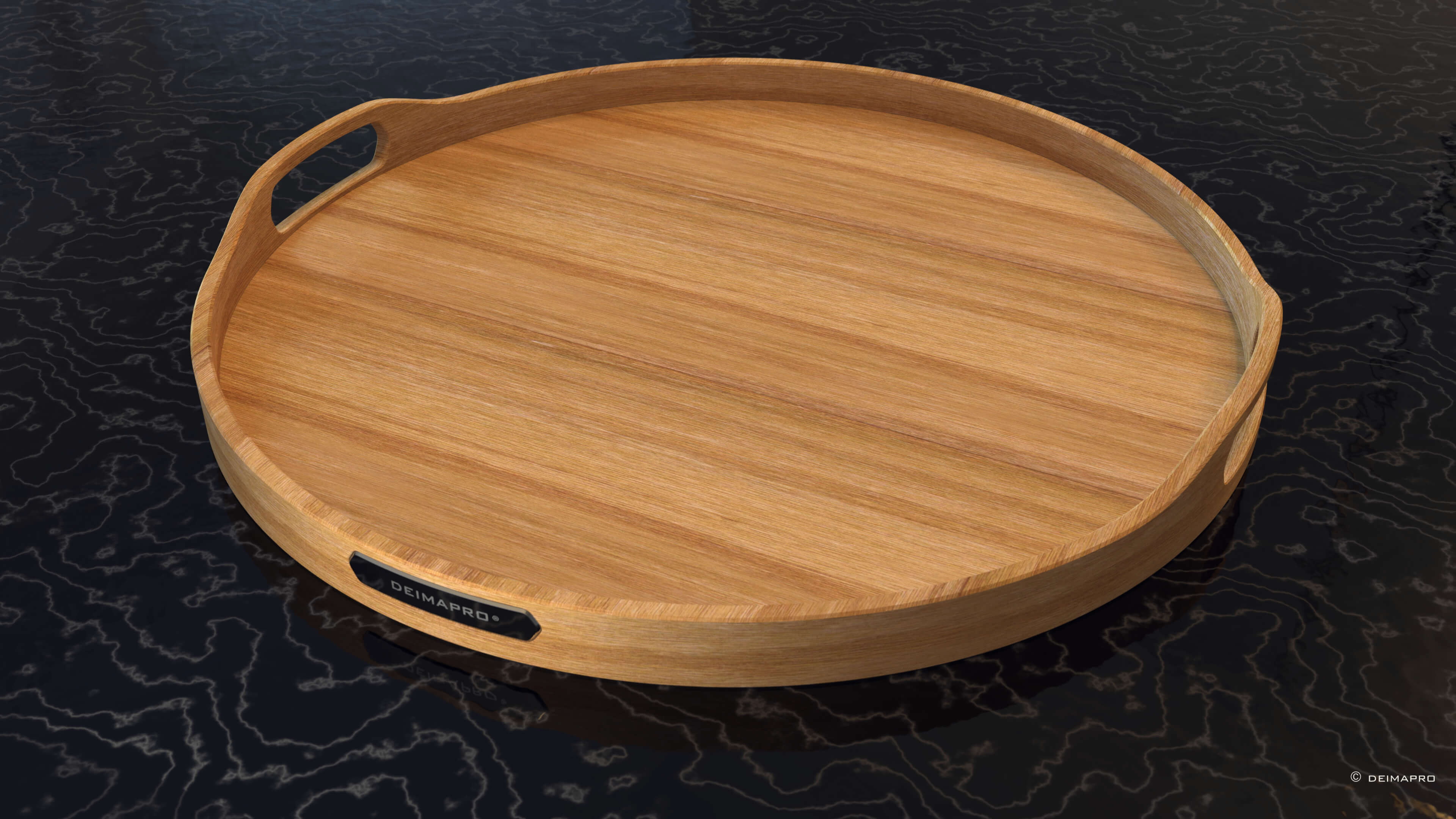
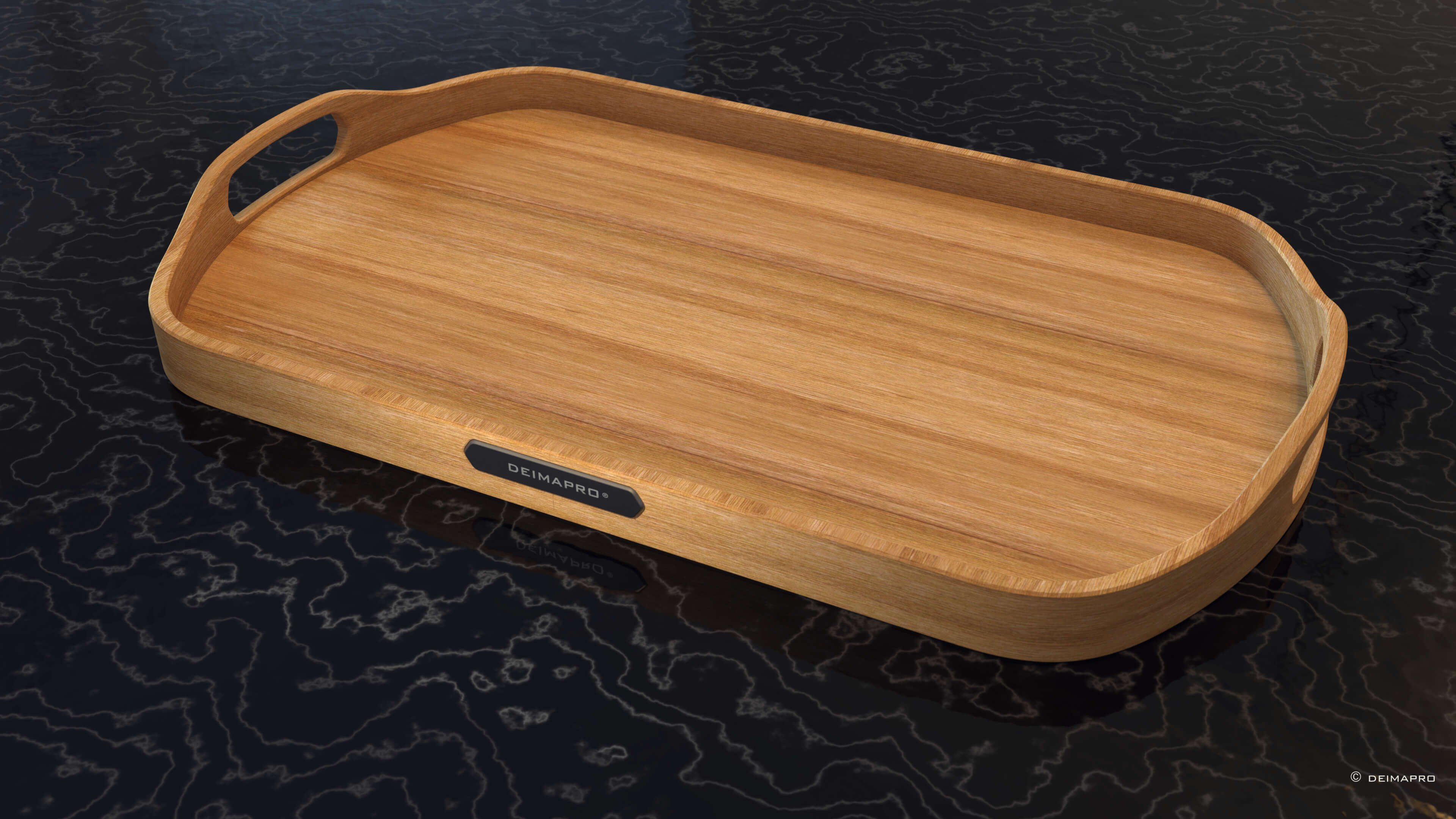
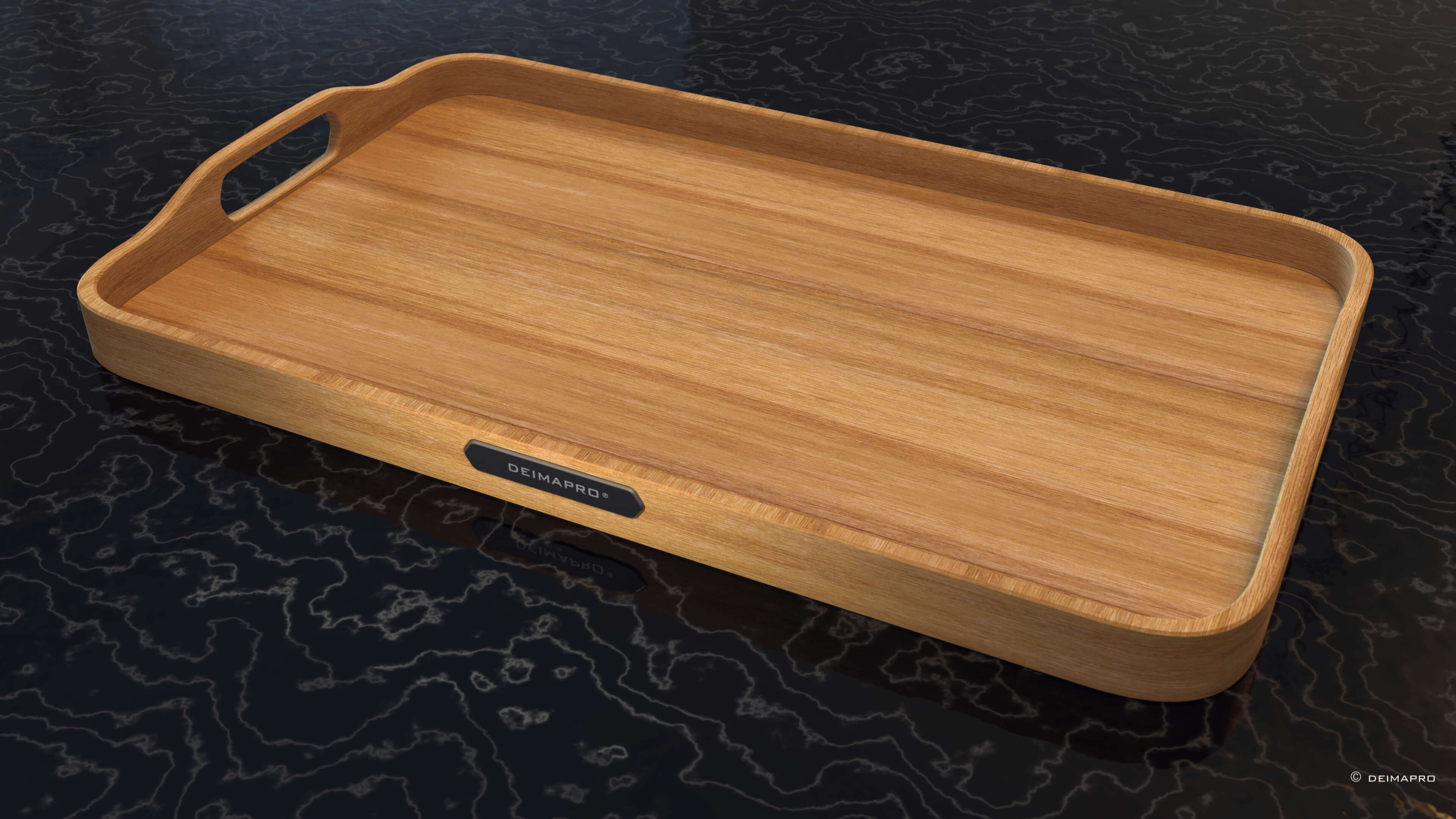
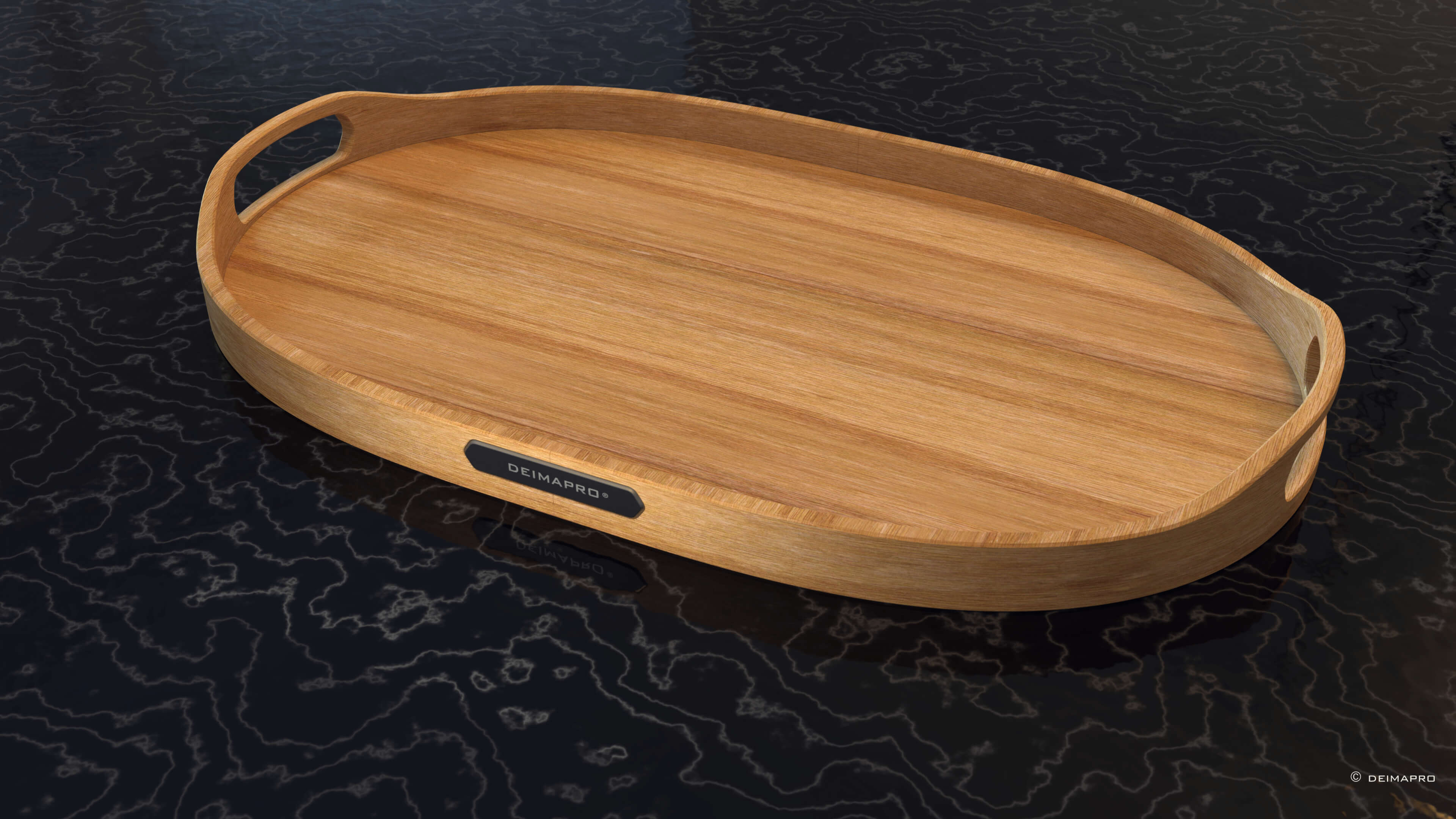
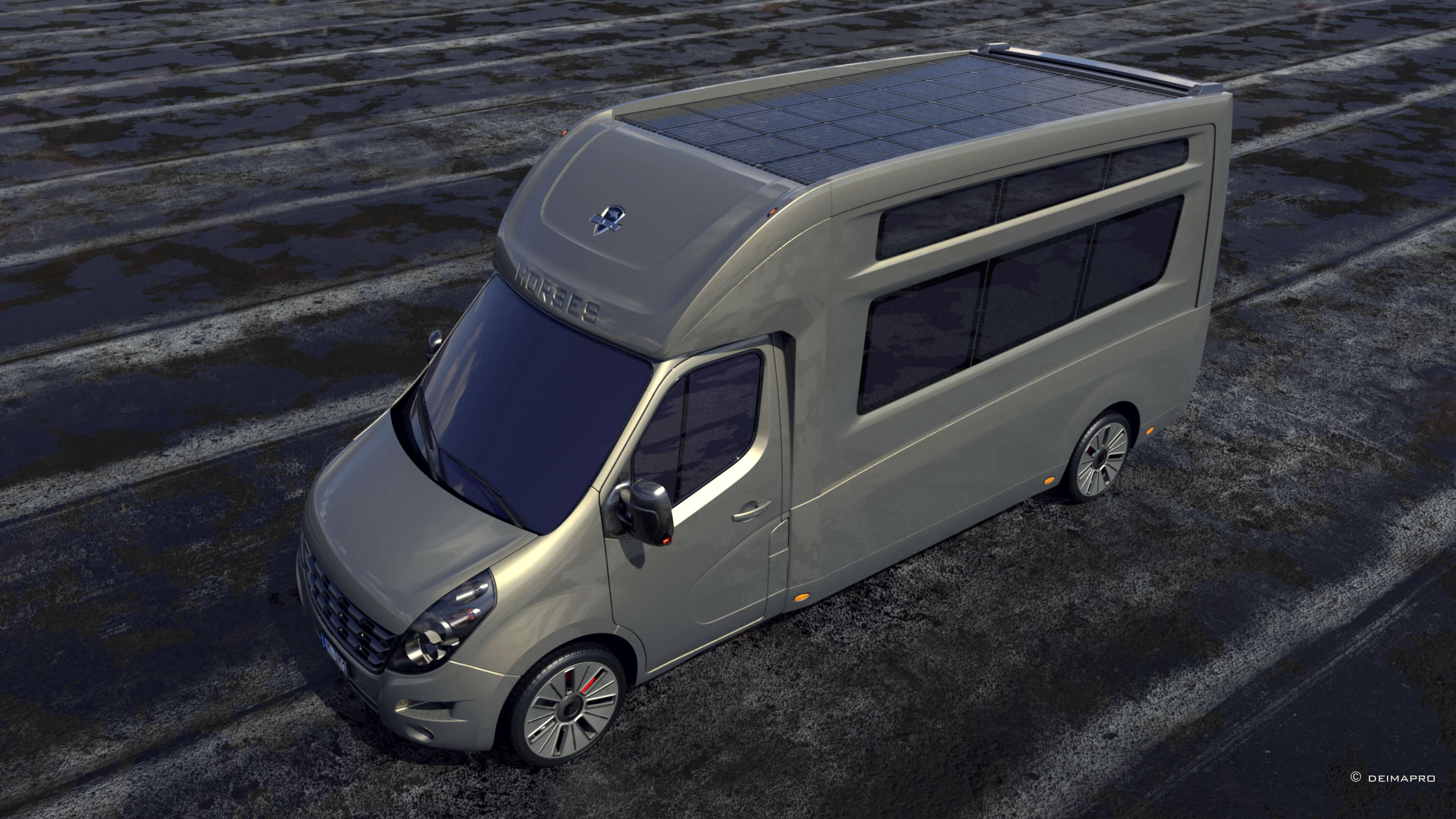
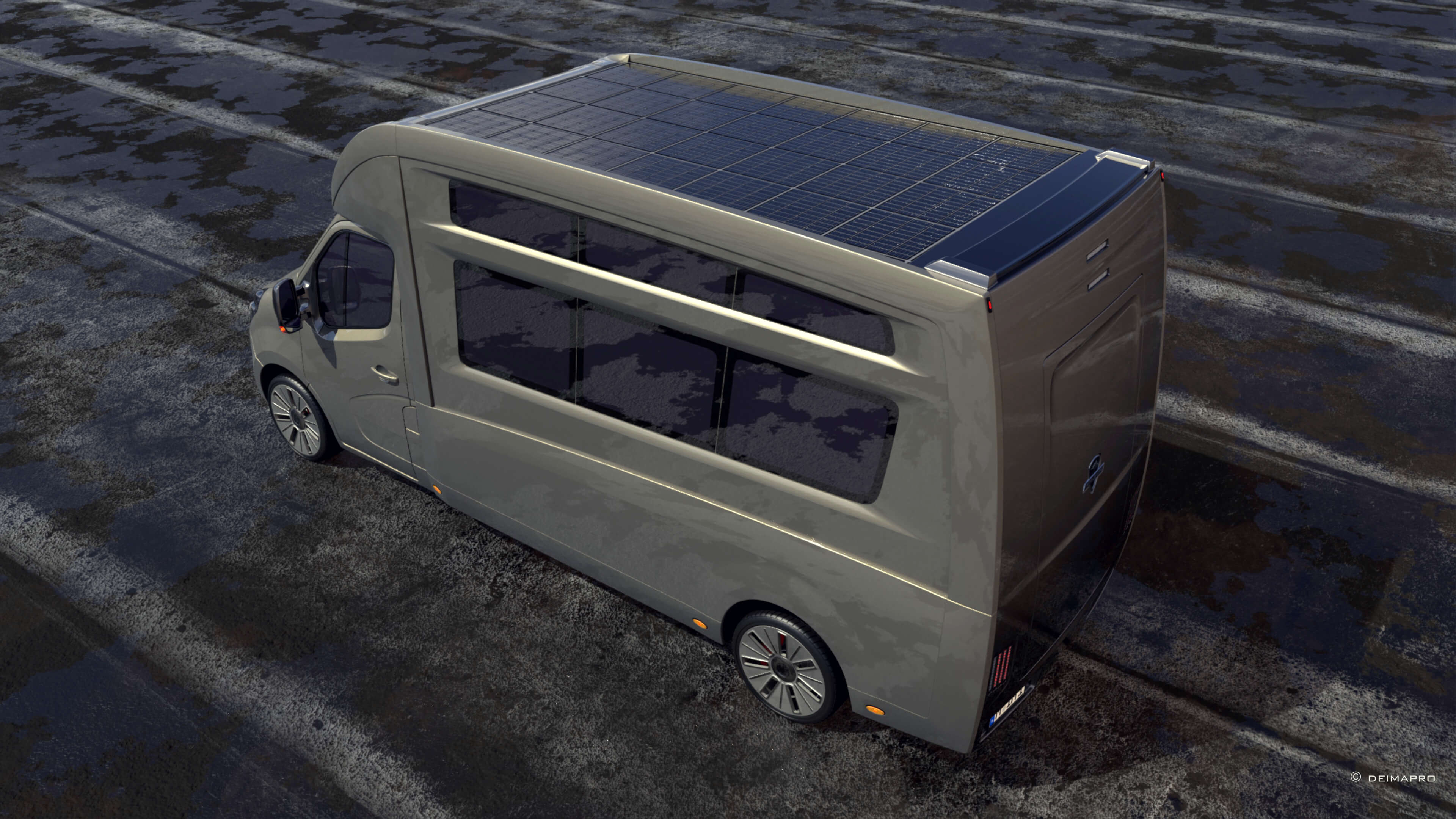
| visualisation.
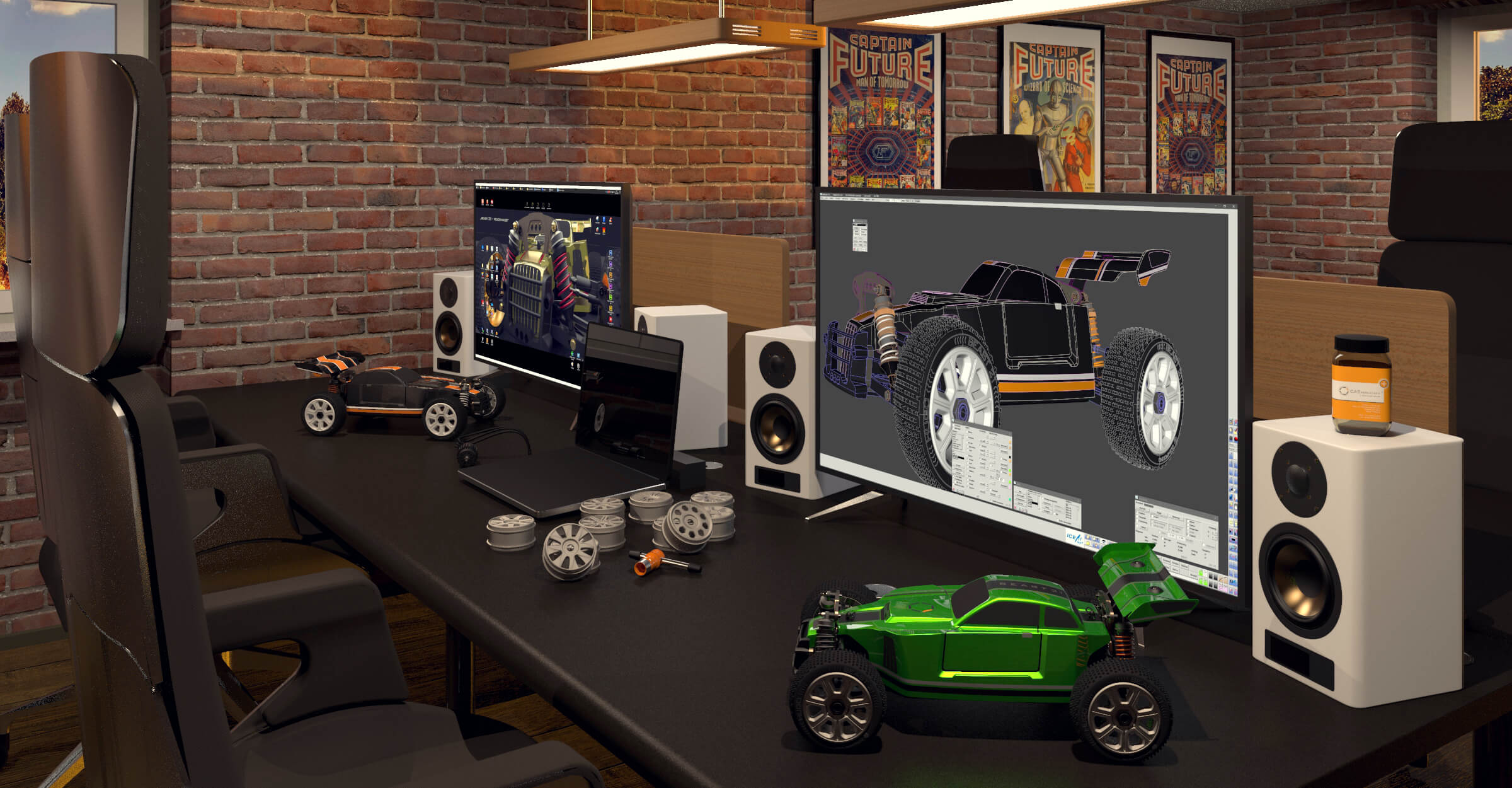
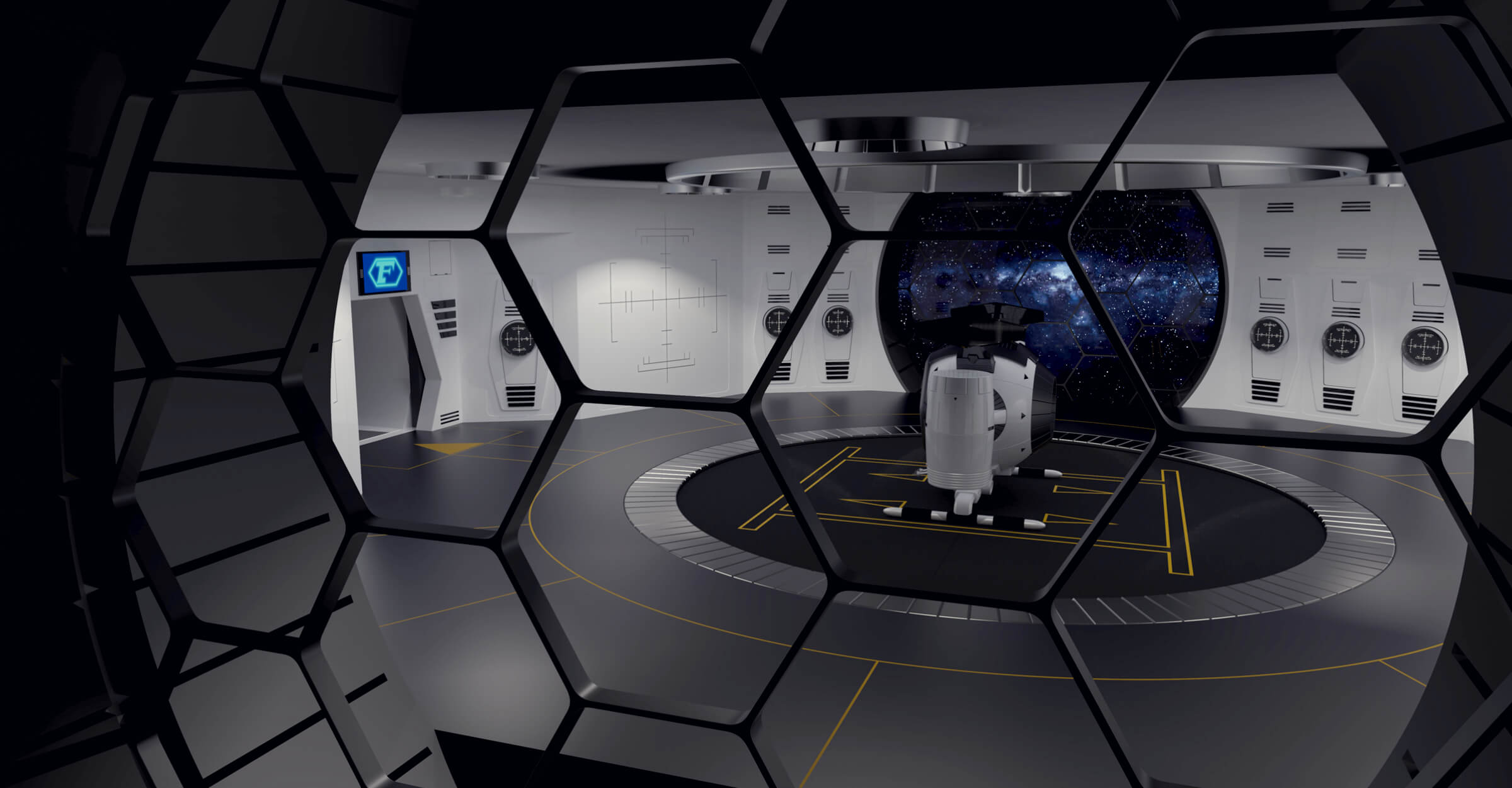
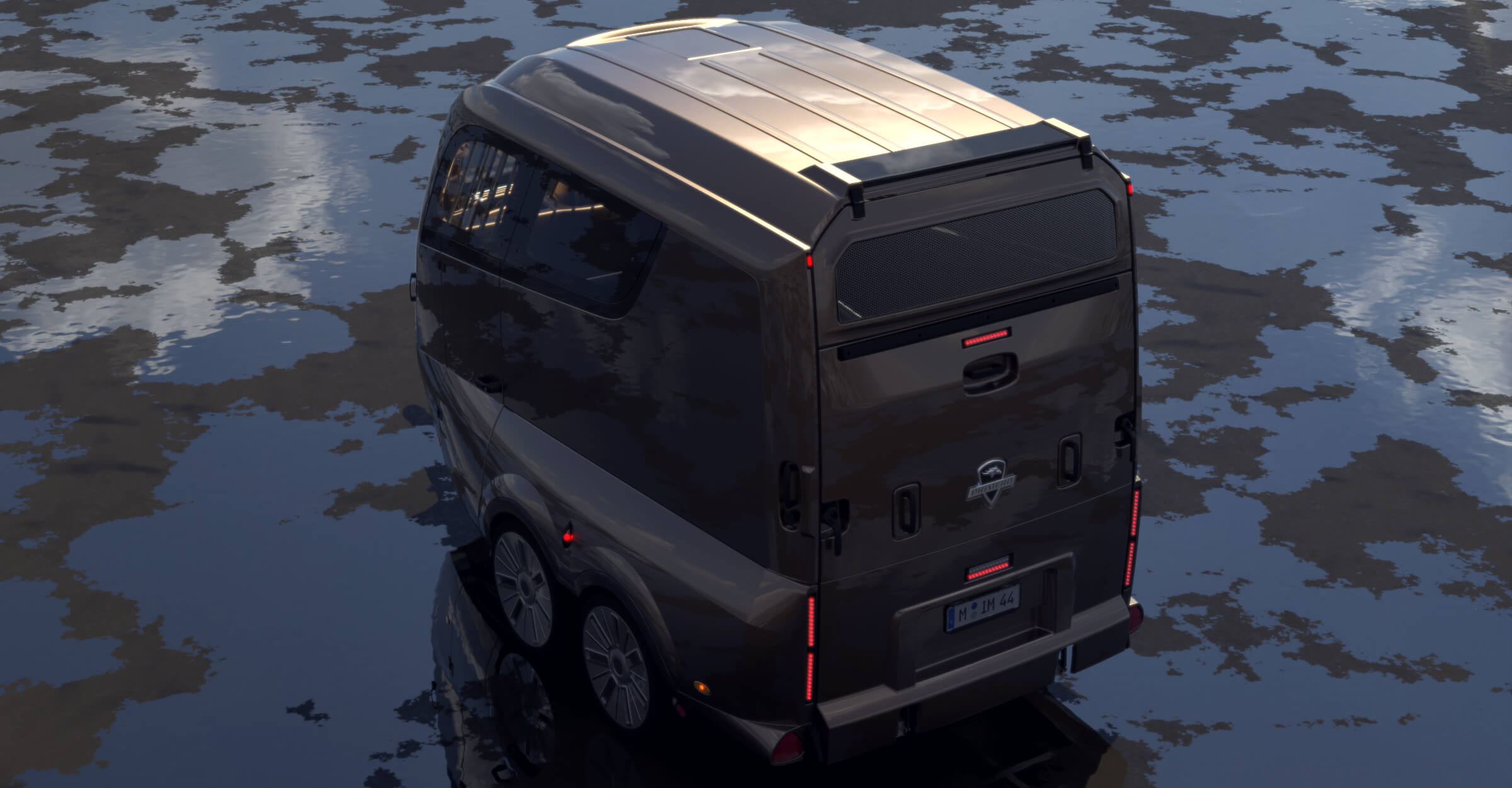
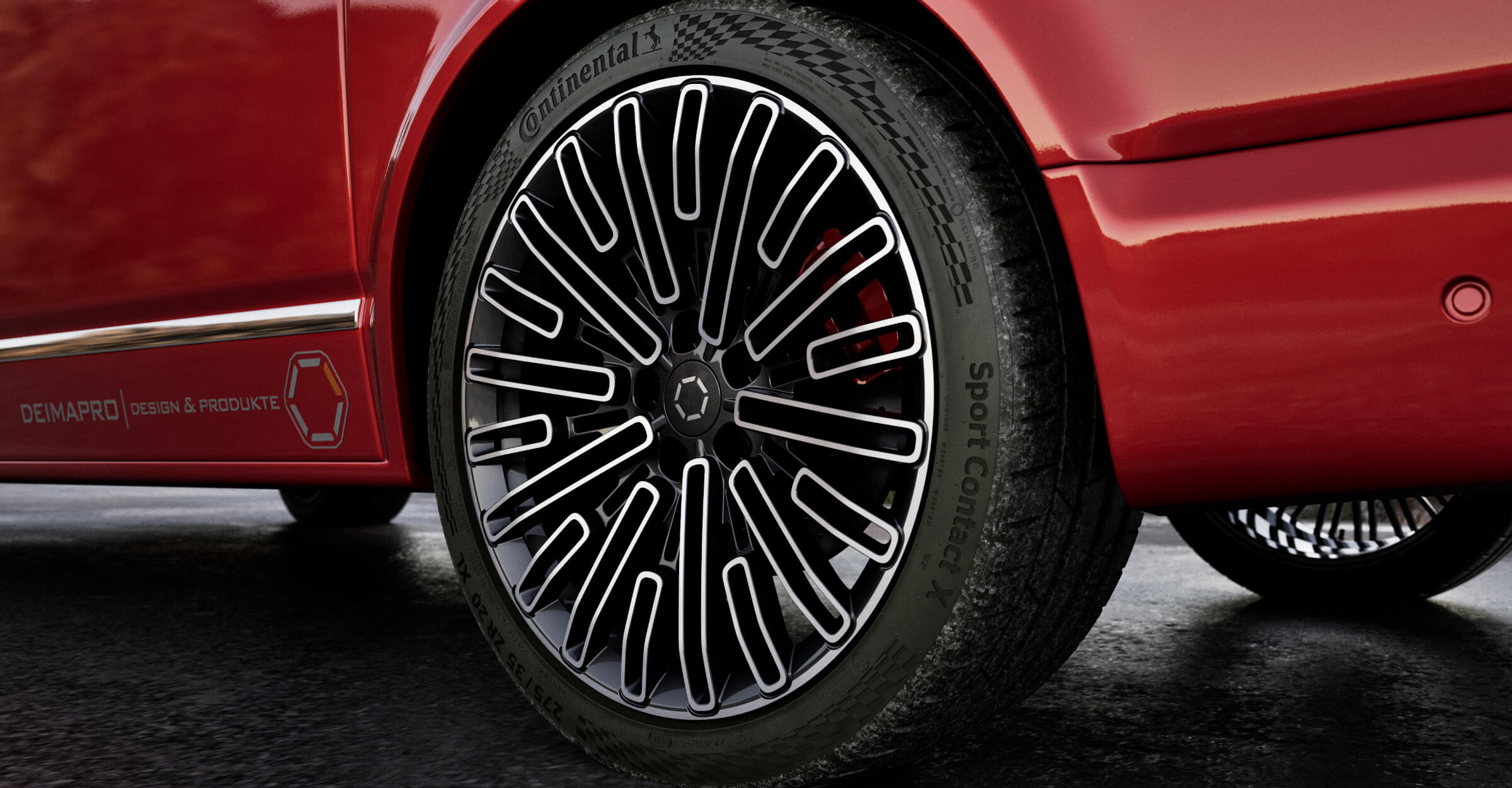
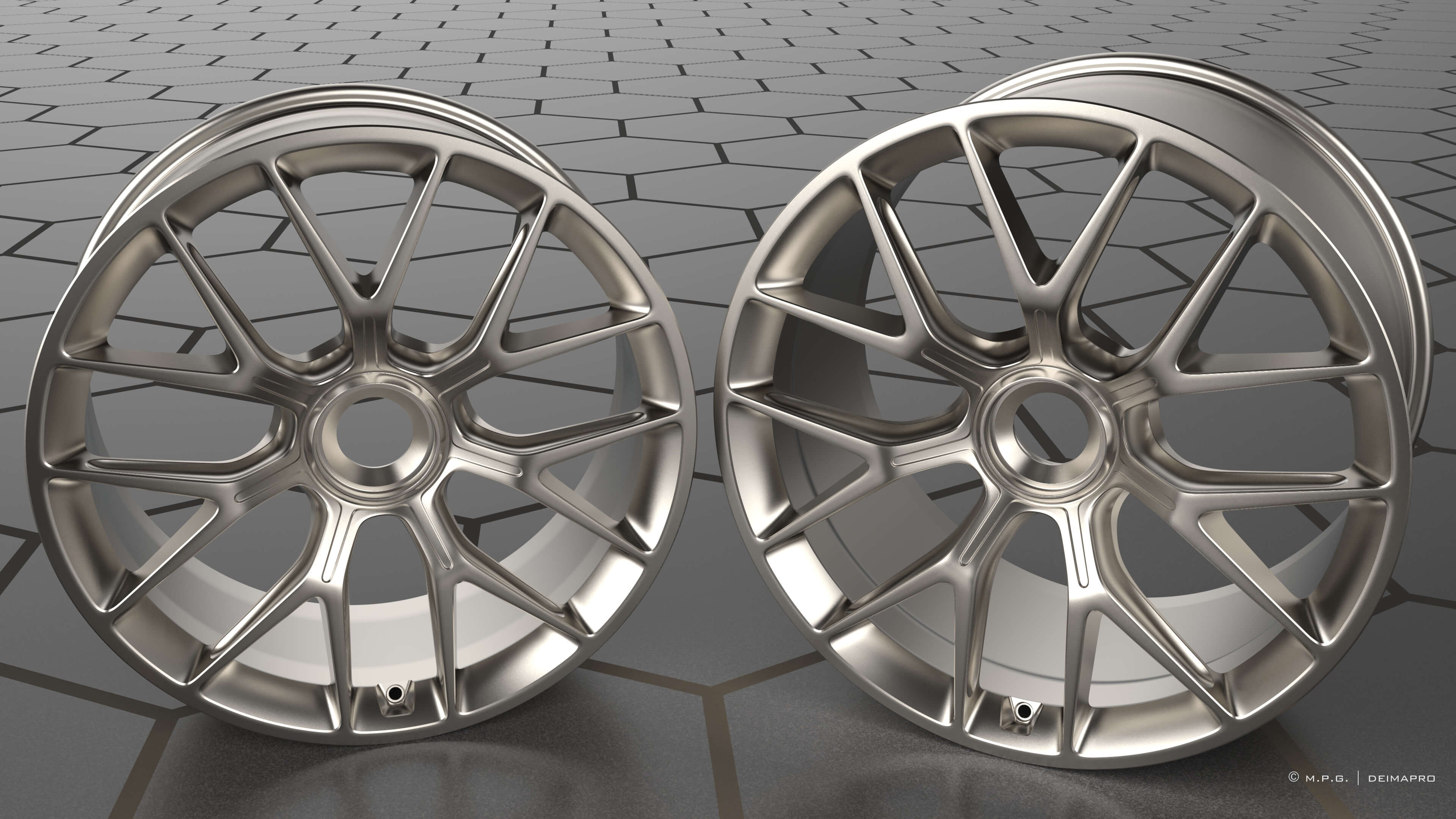
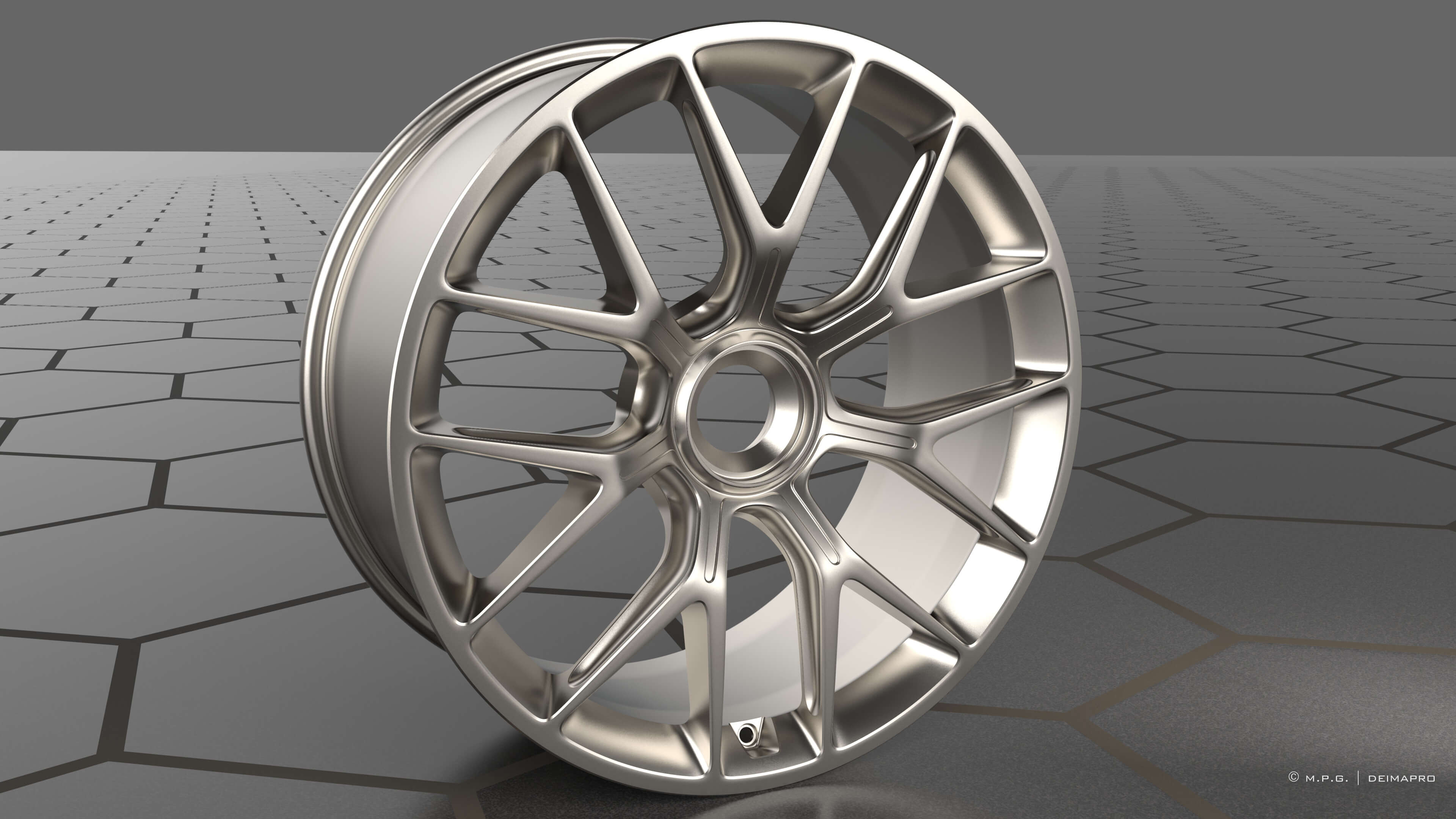
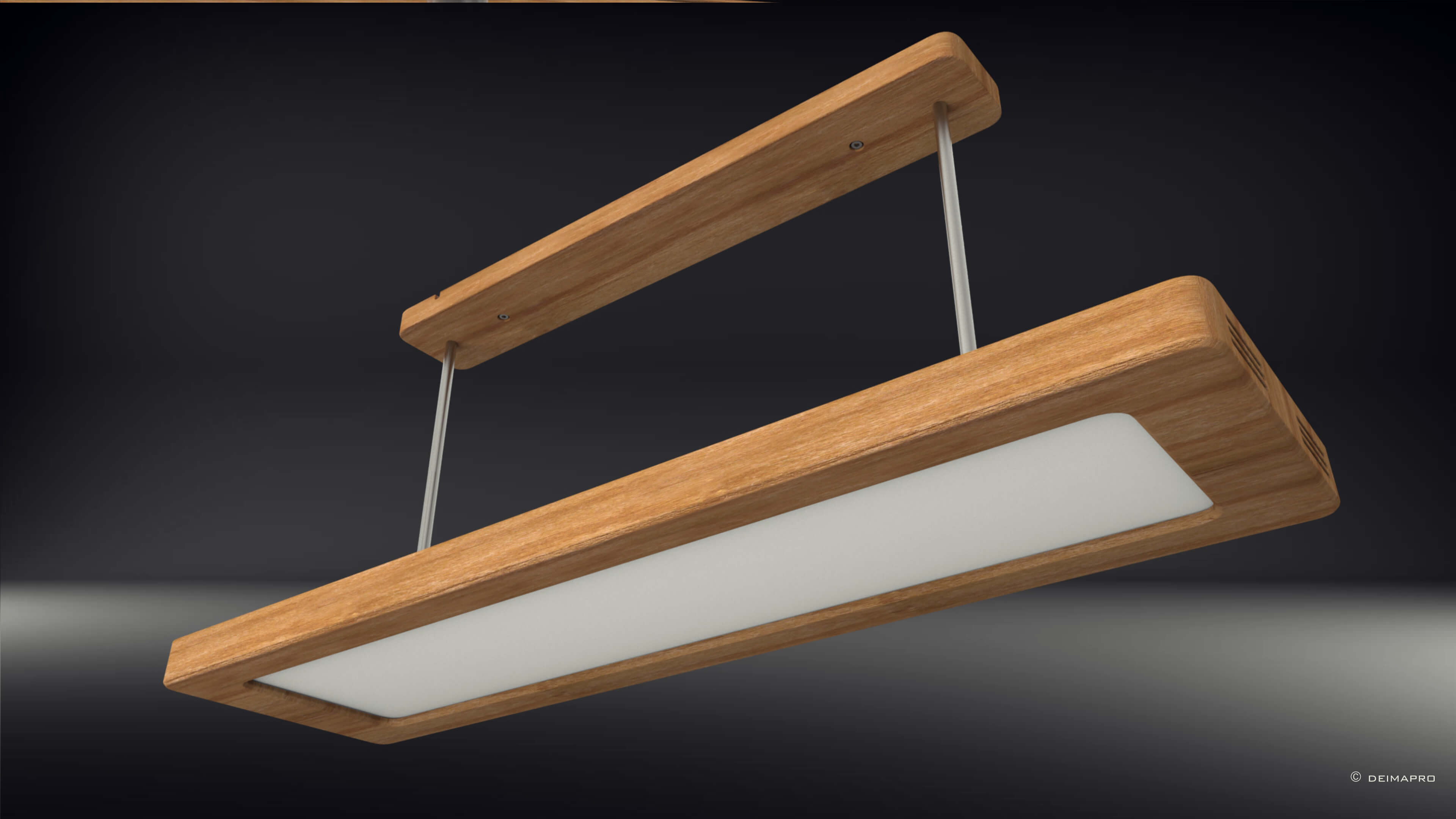
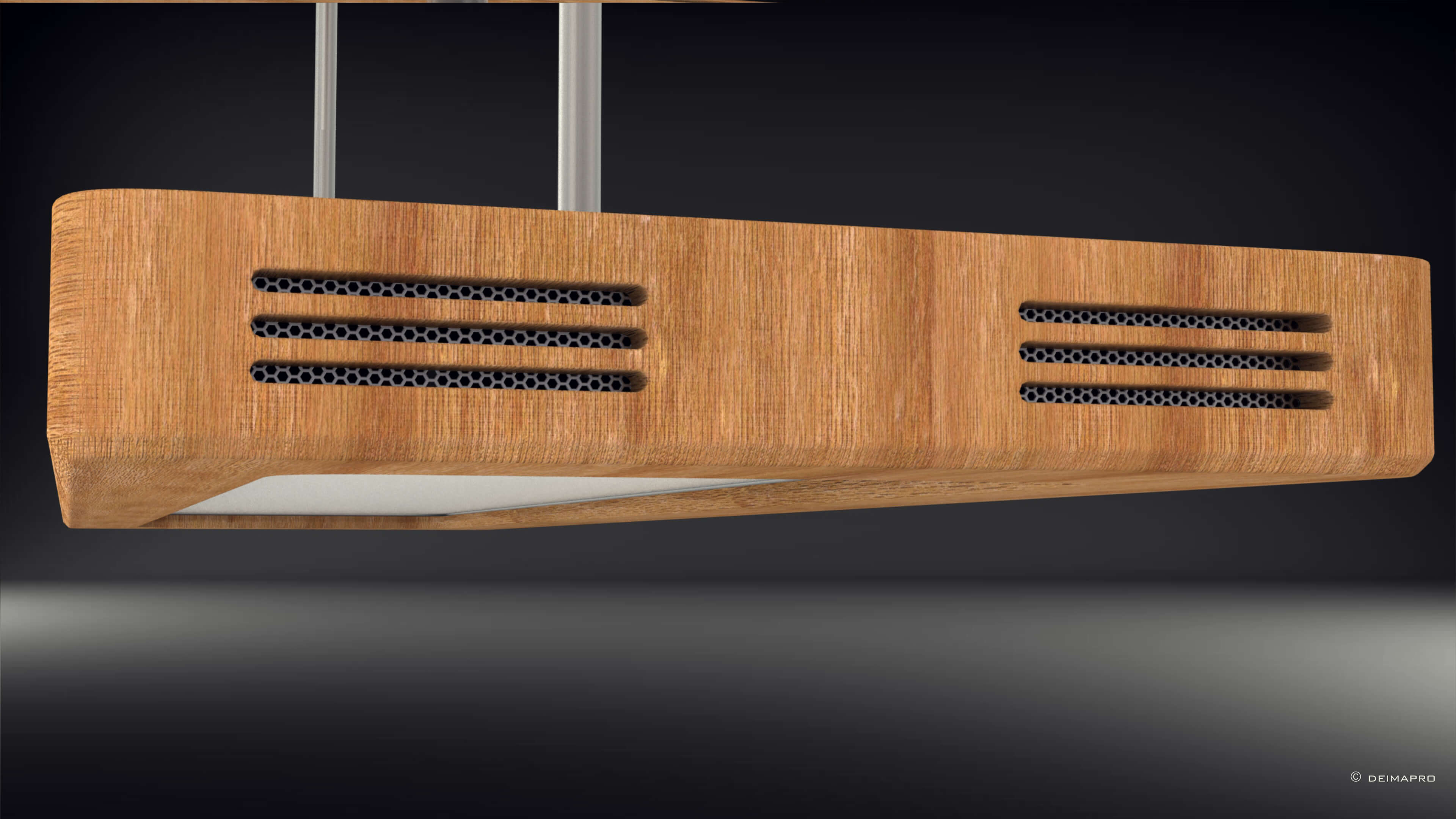
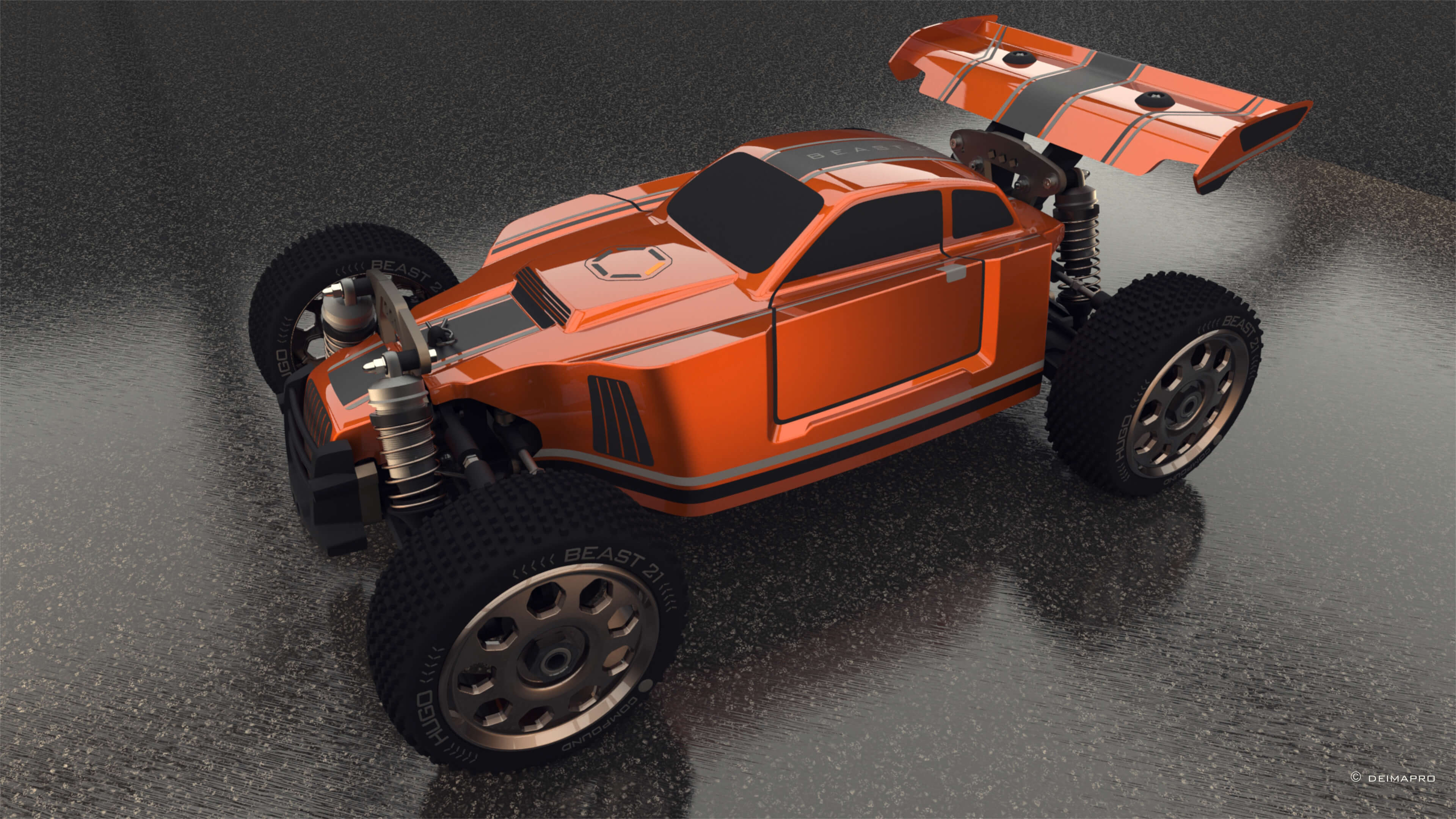
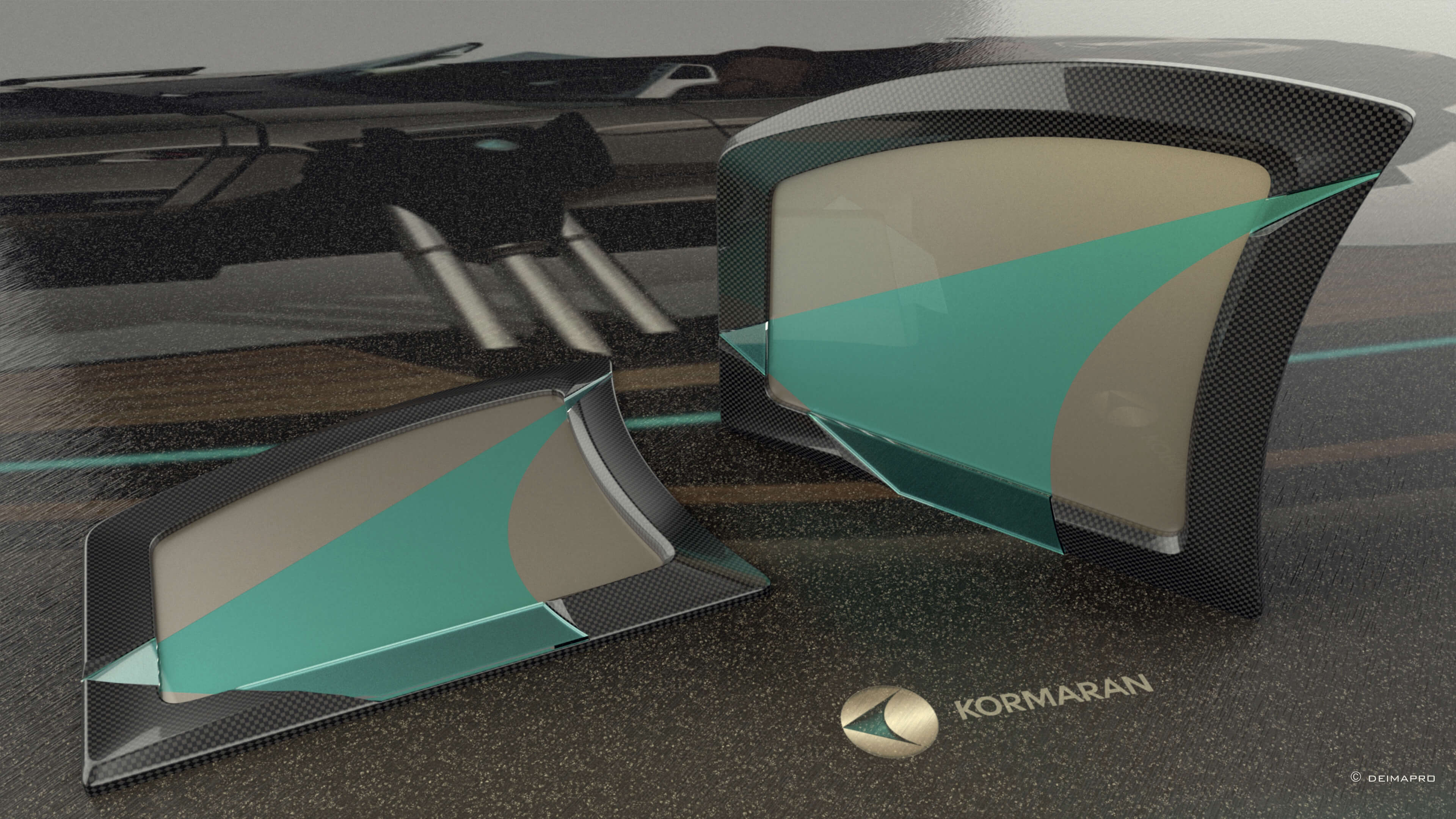
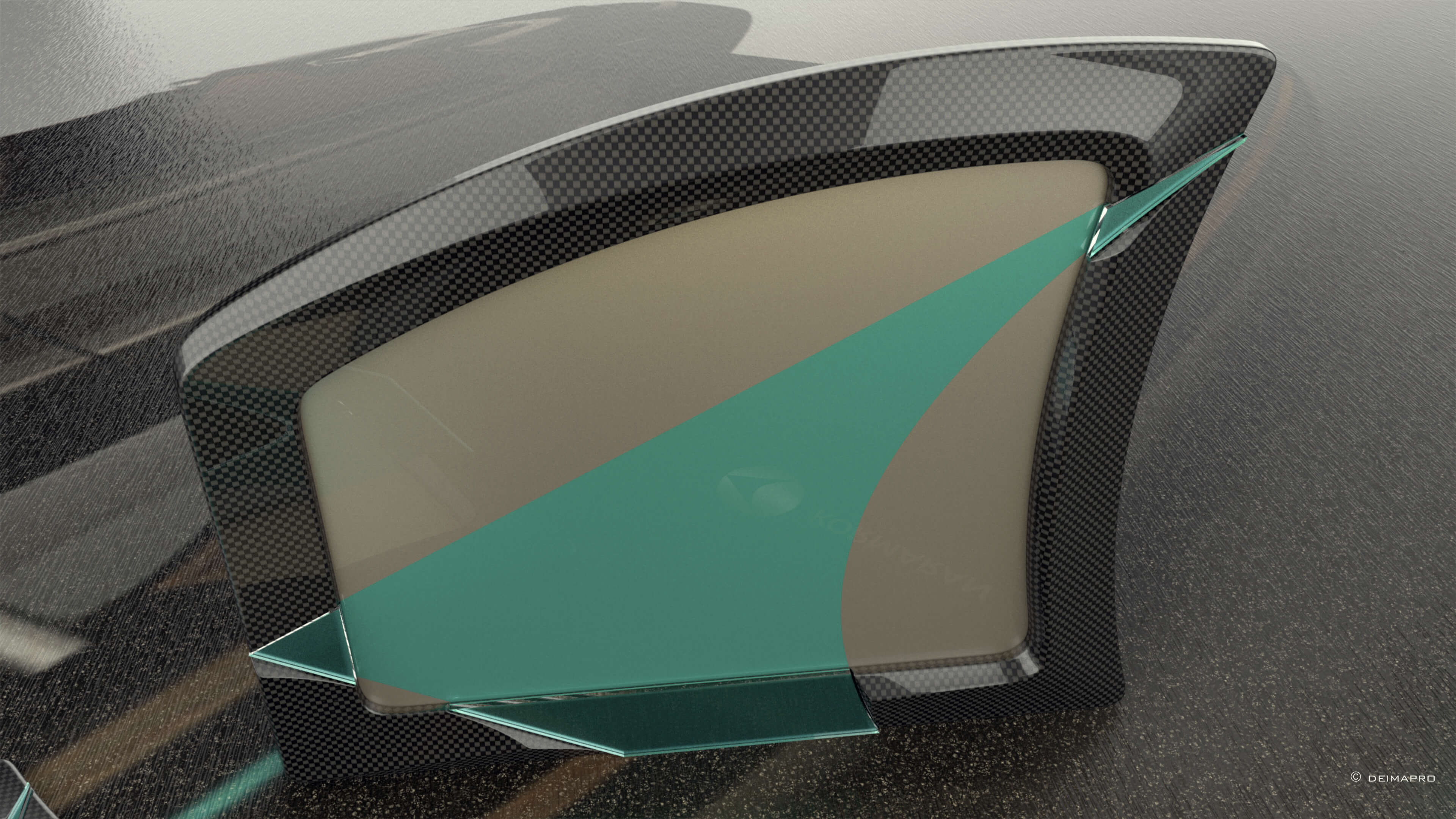
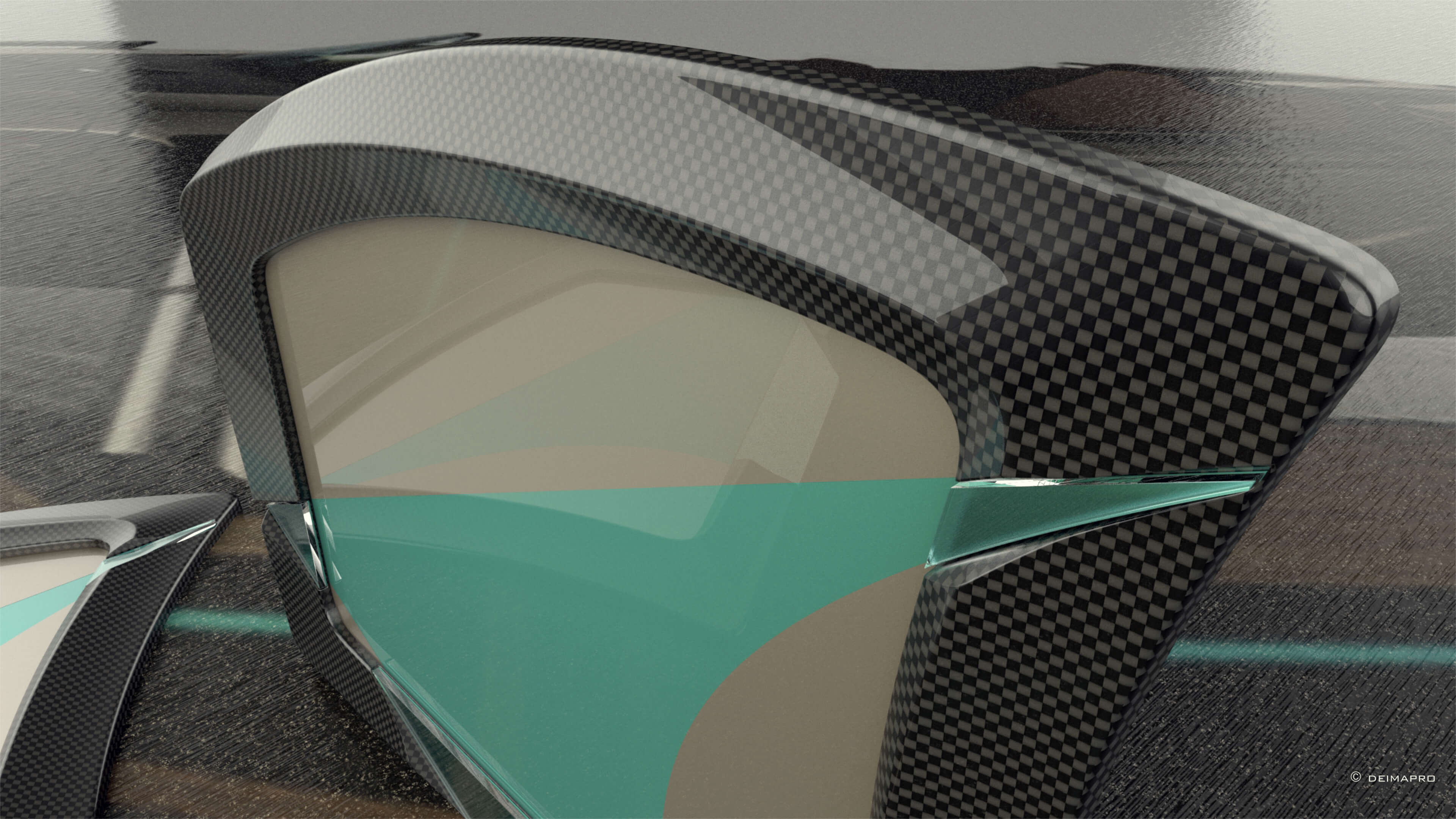
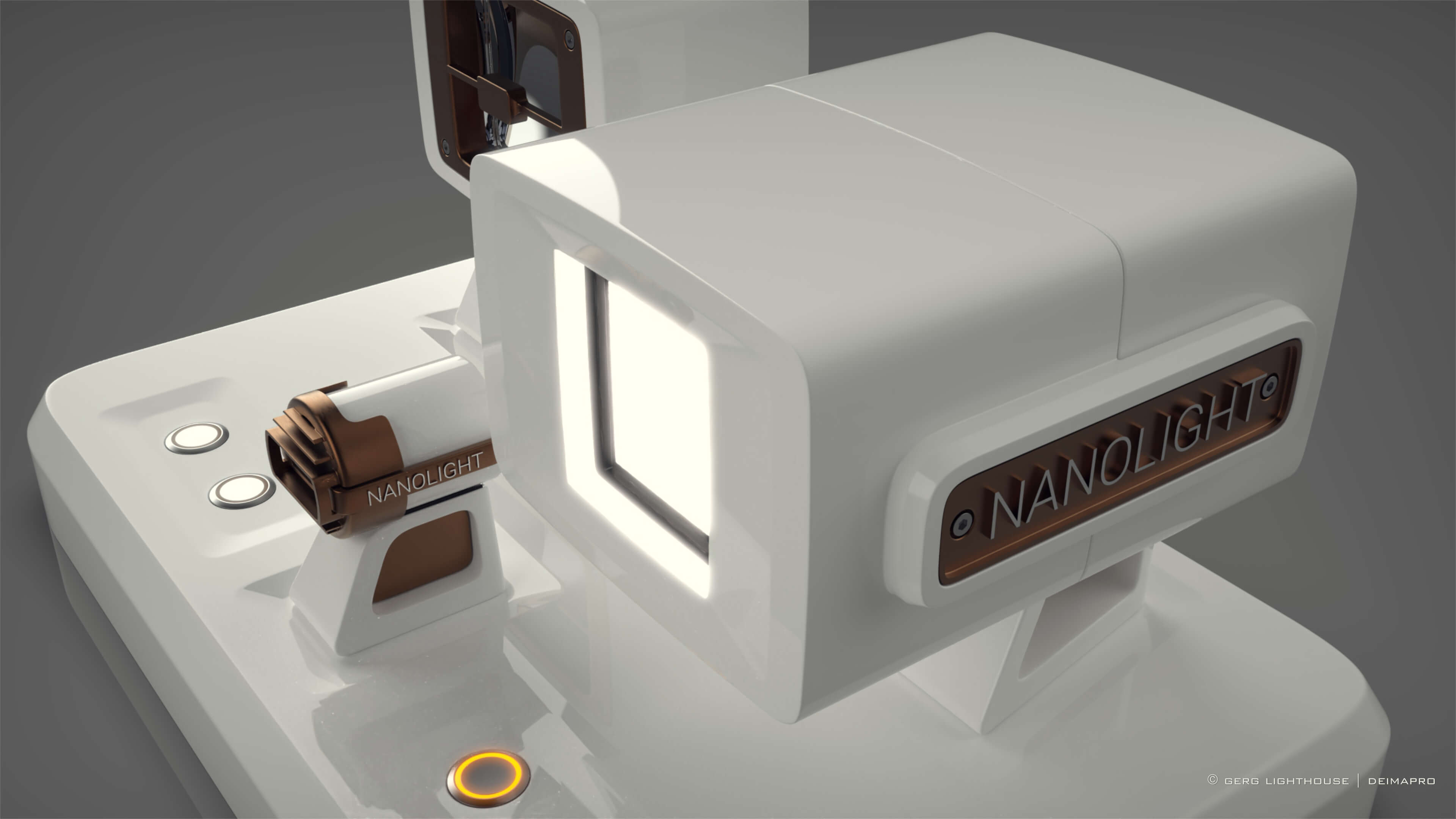
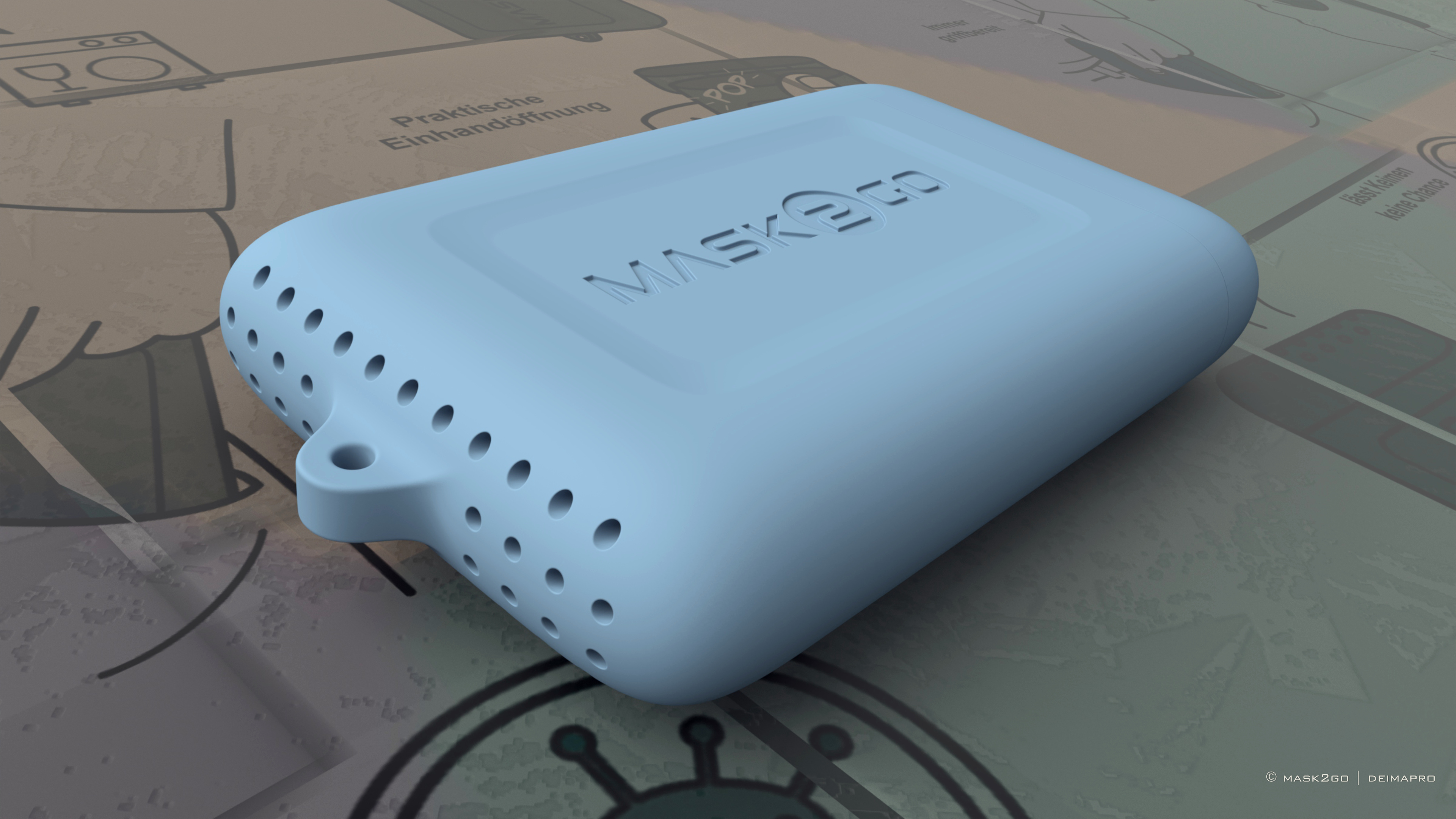
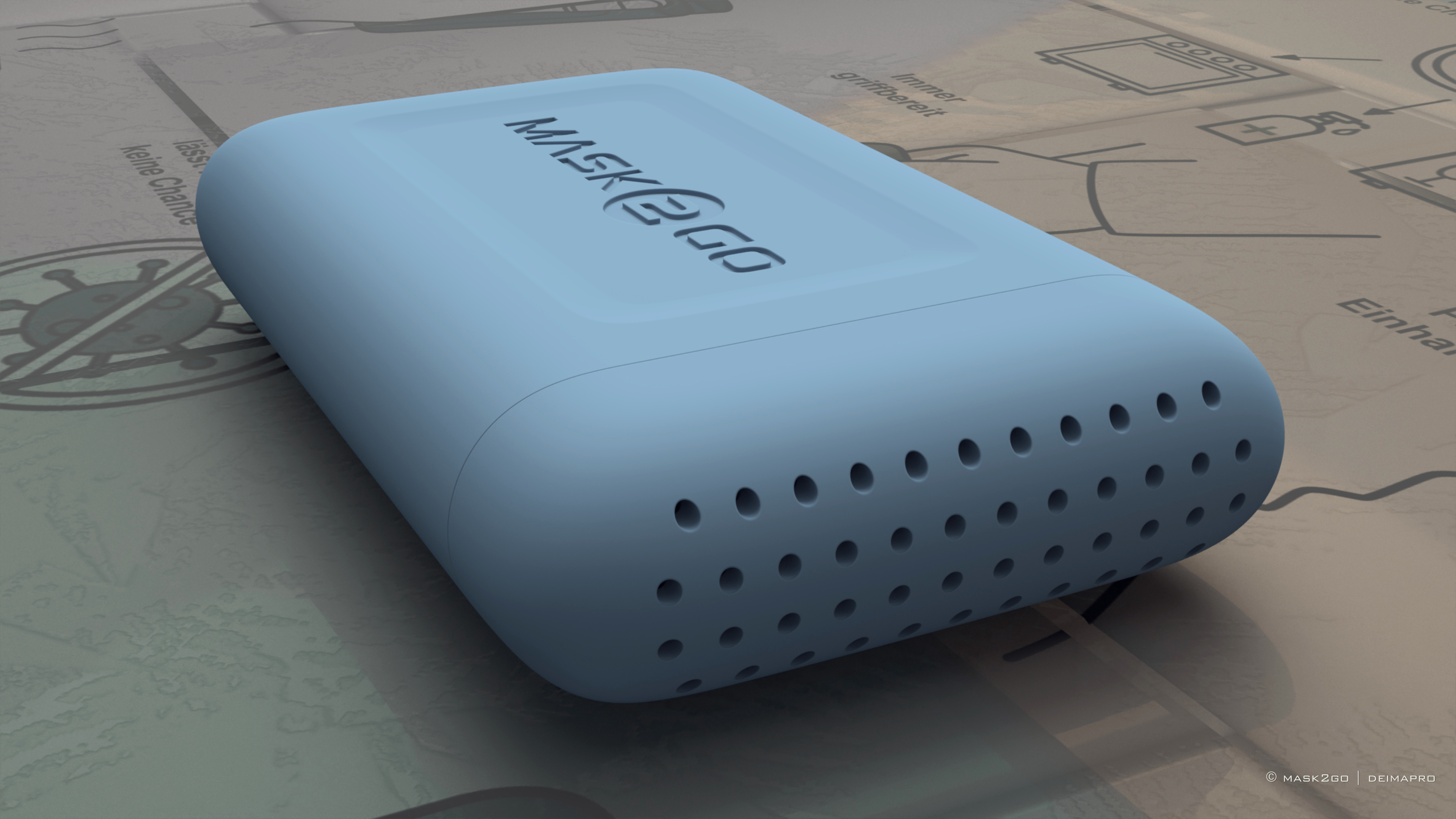
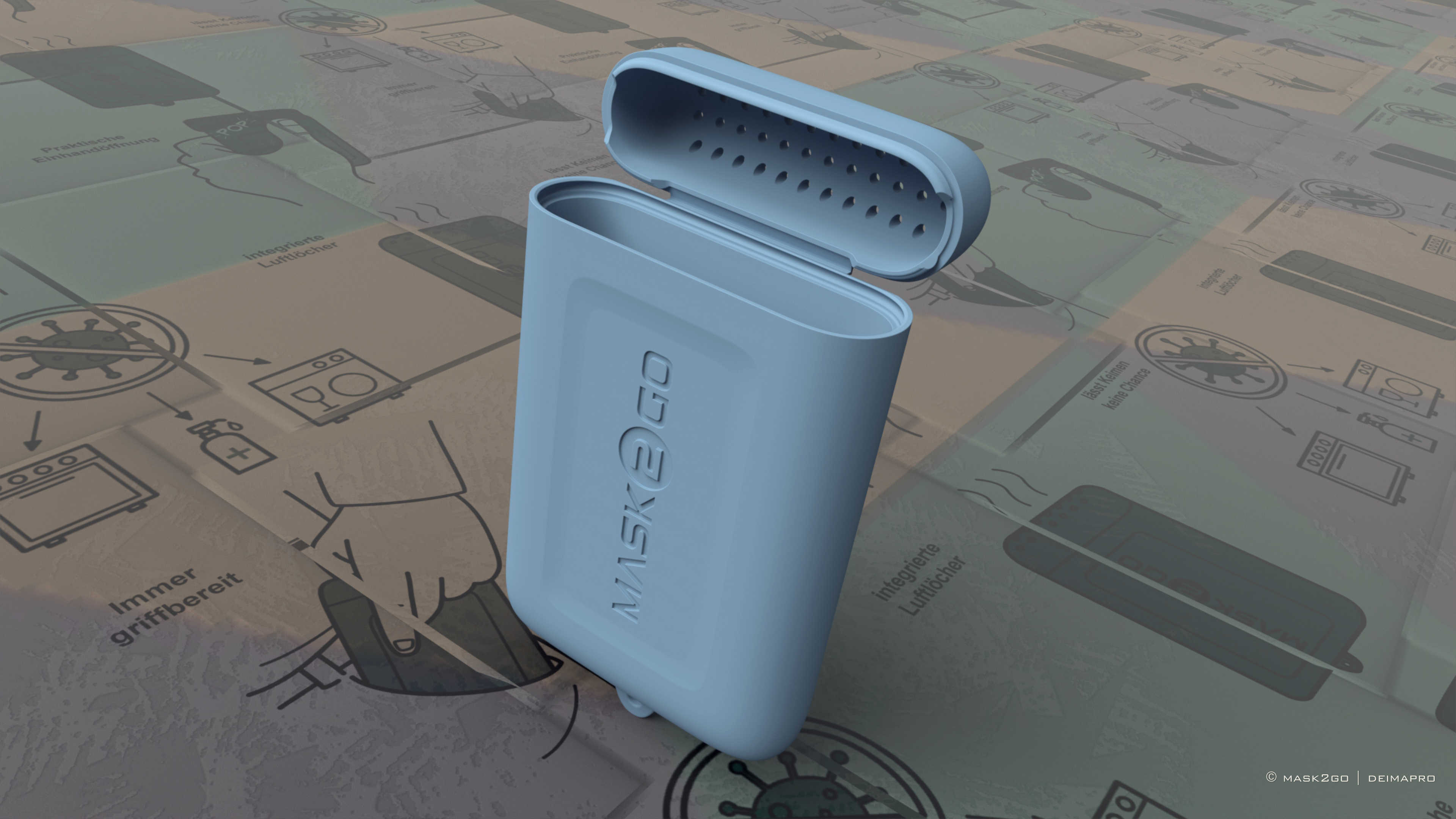
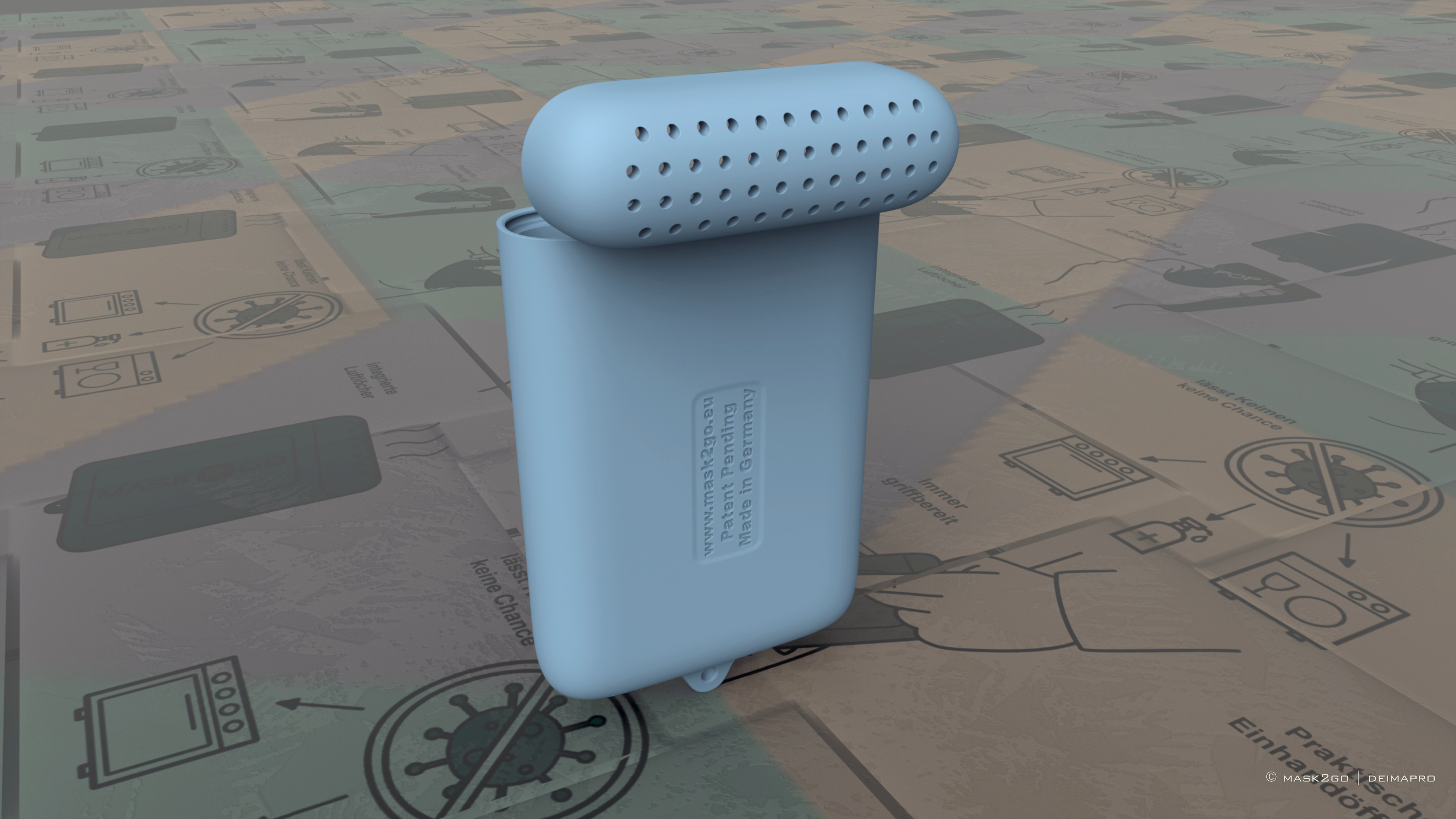
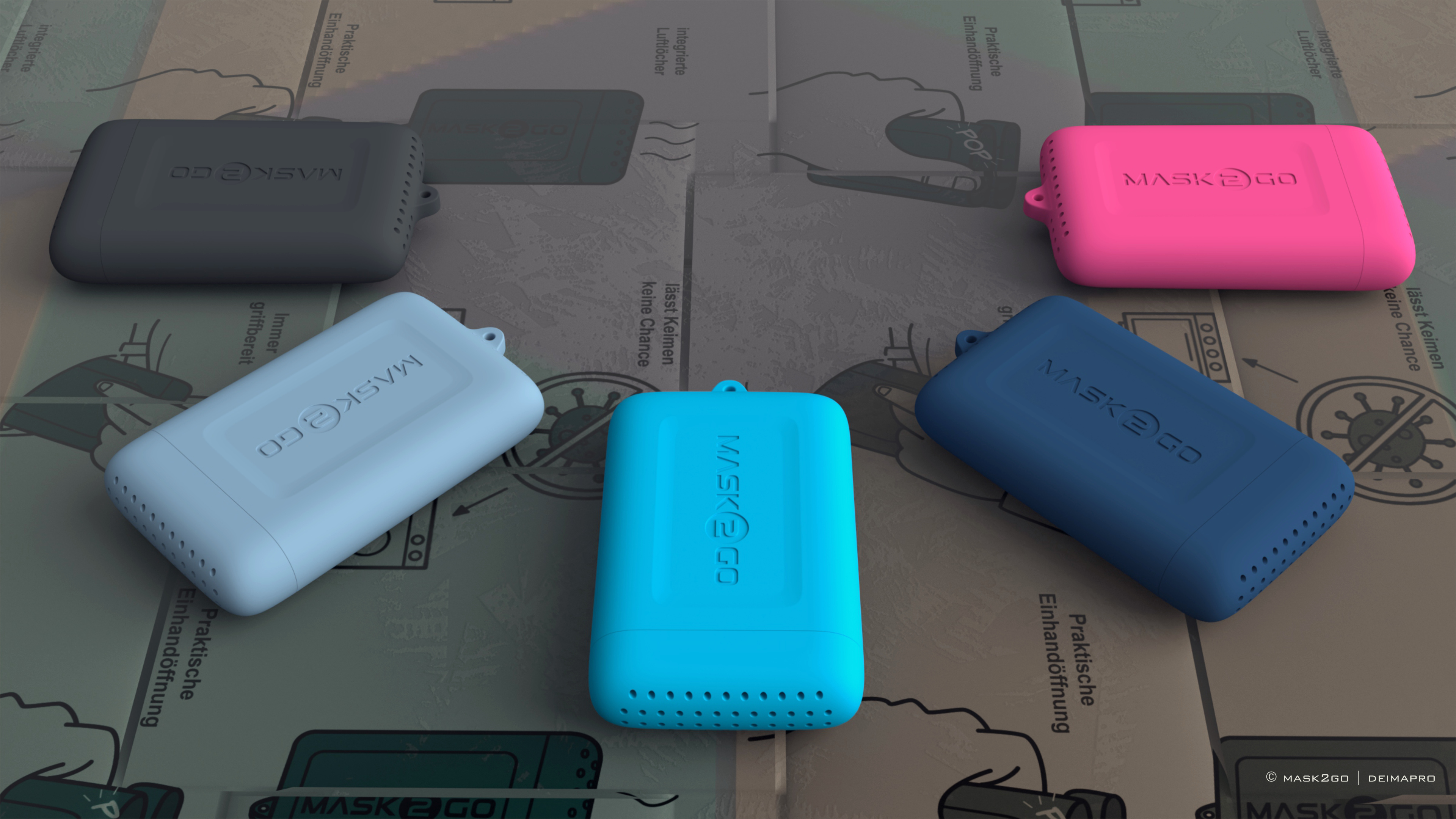
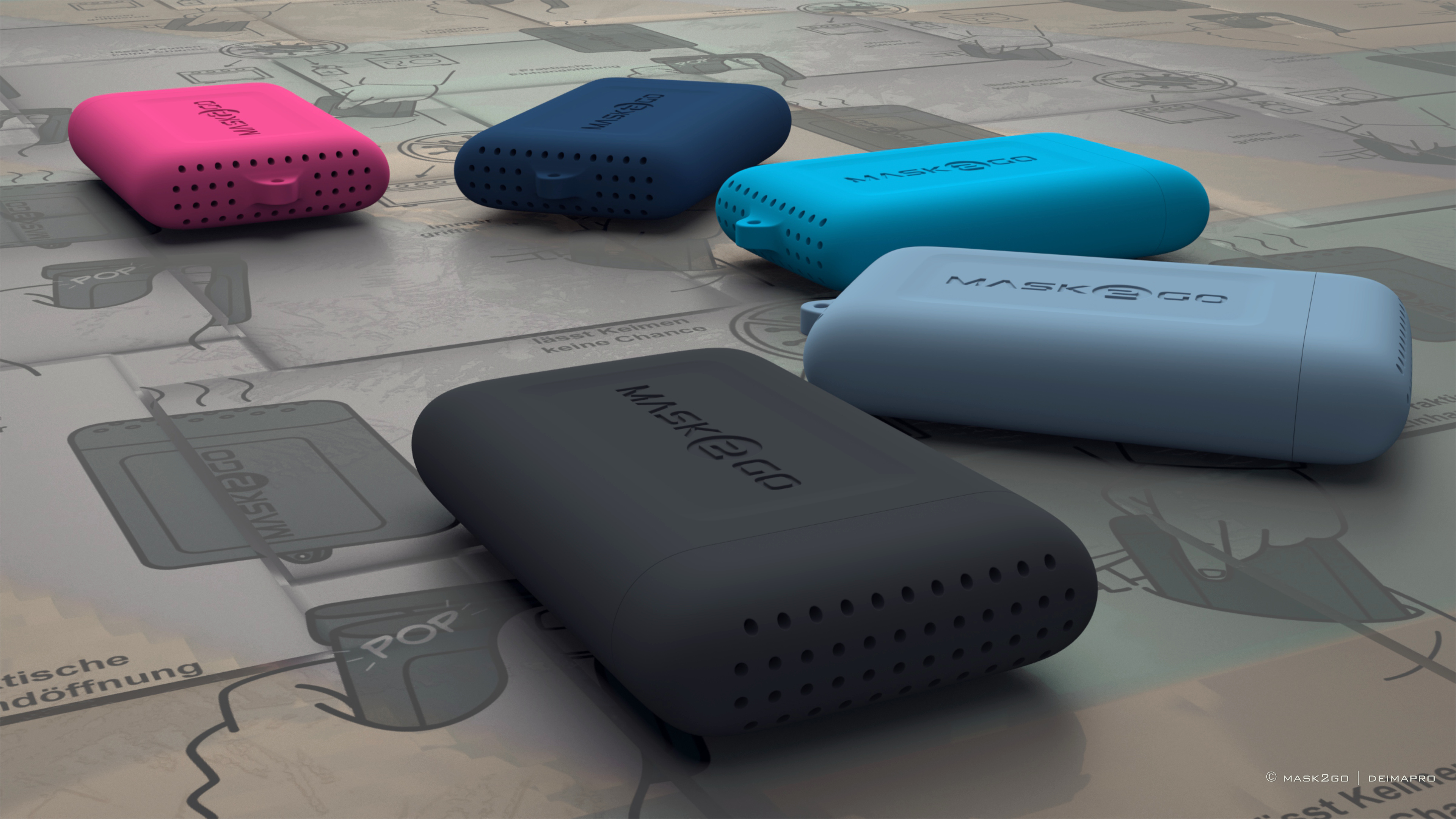
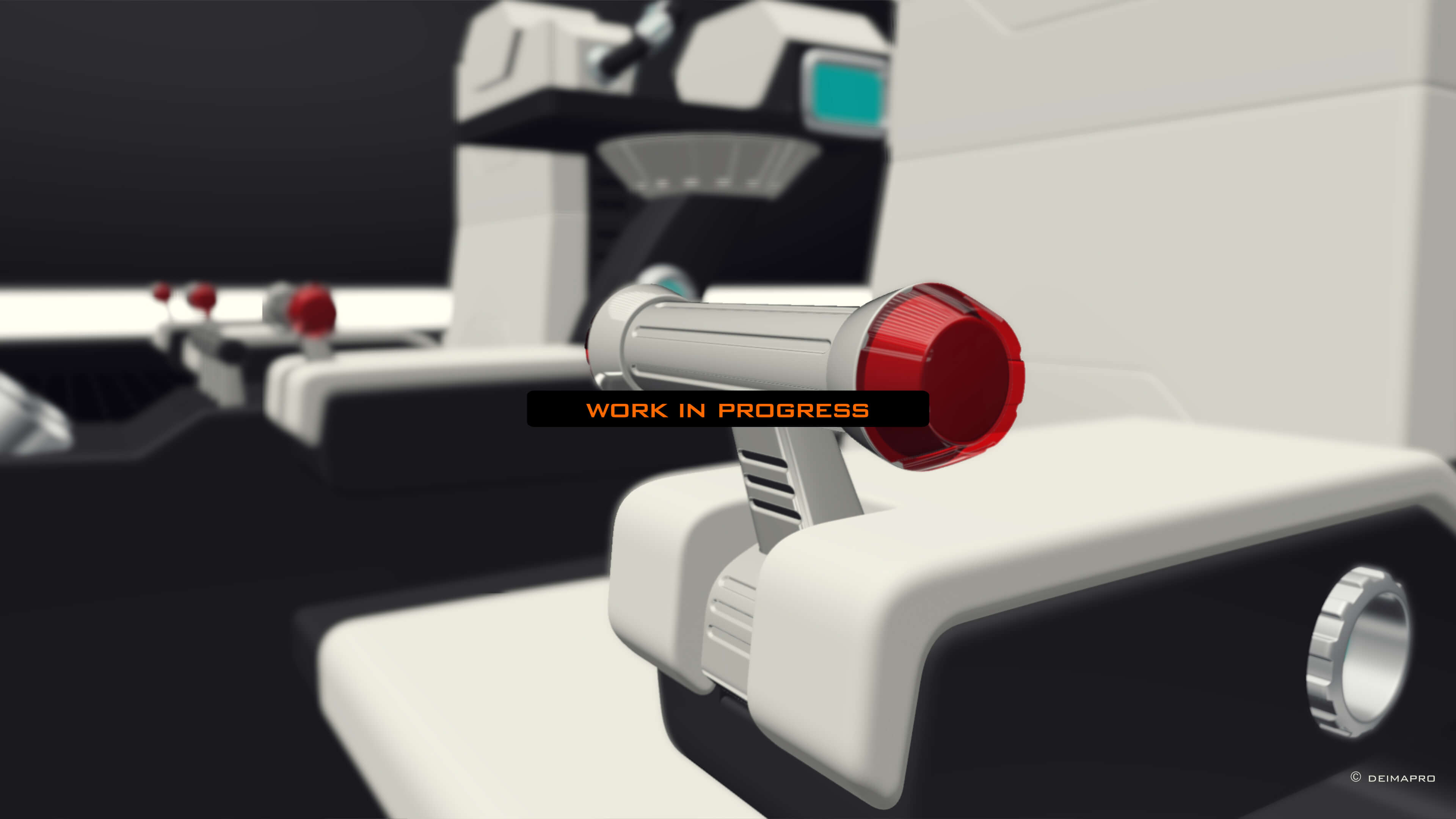
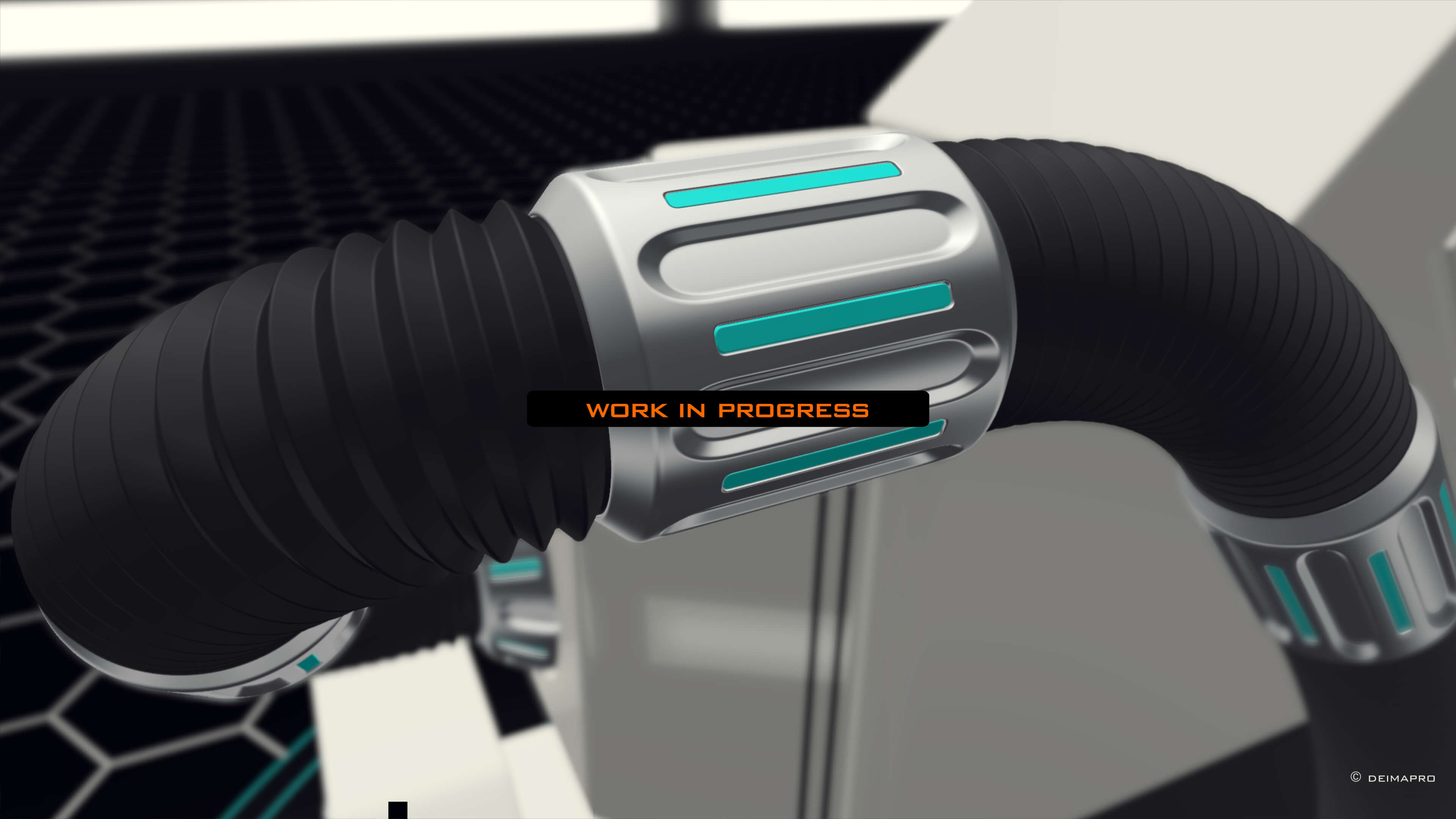
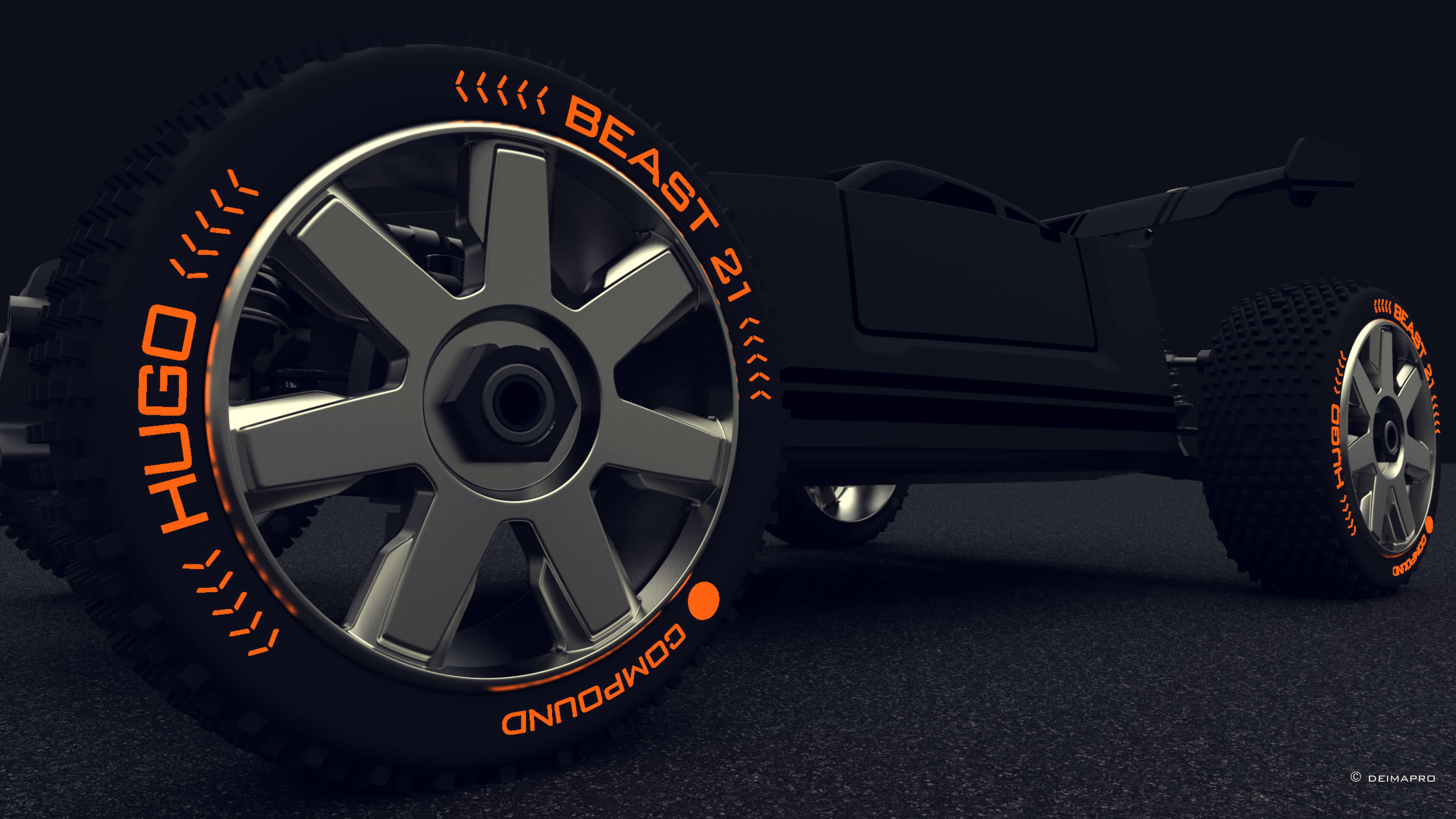
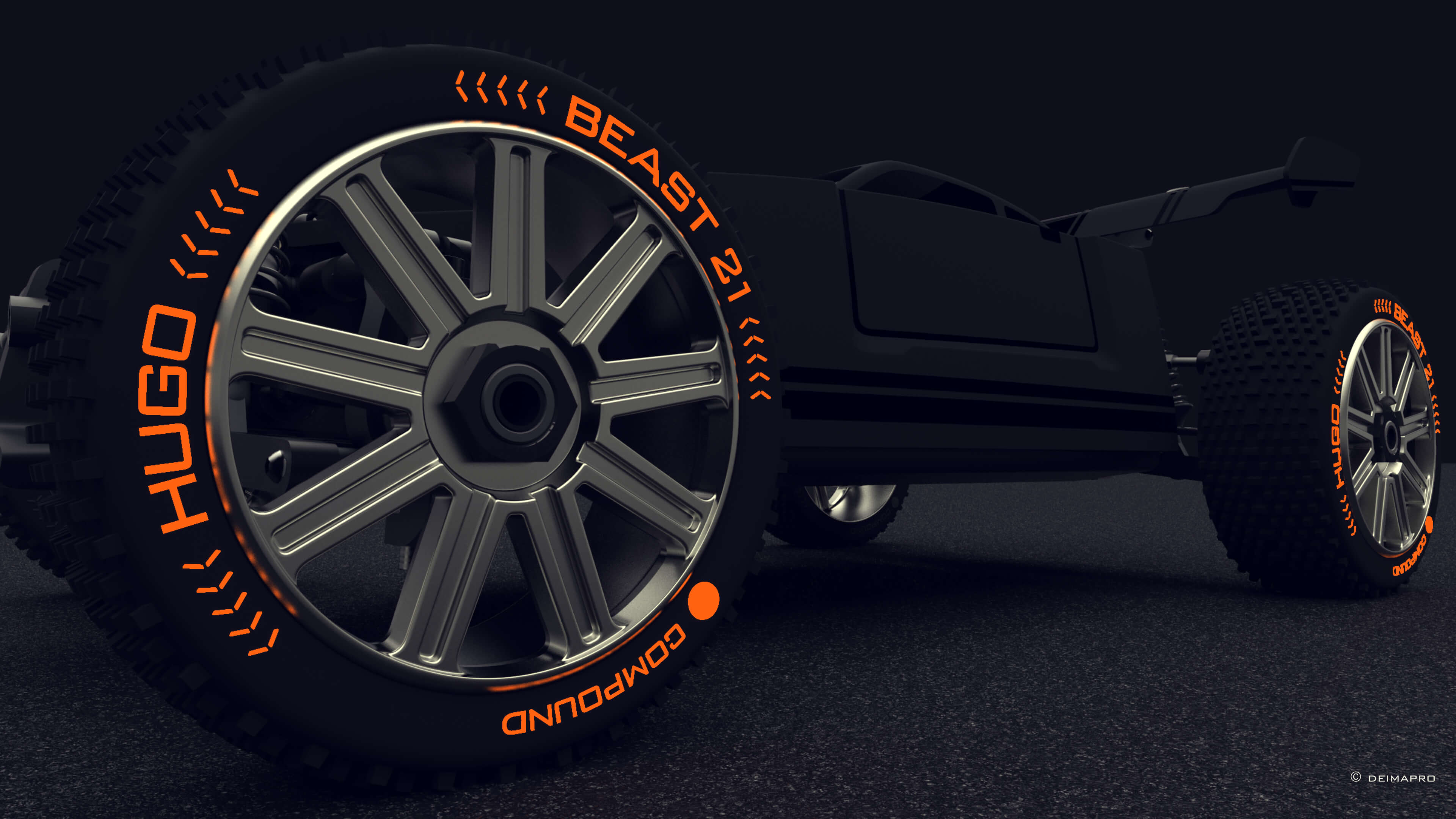
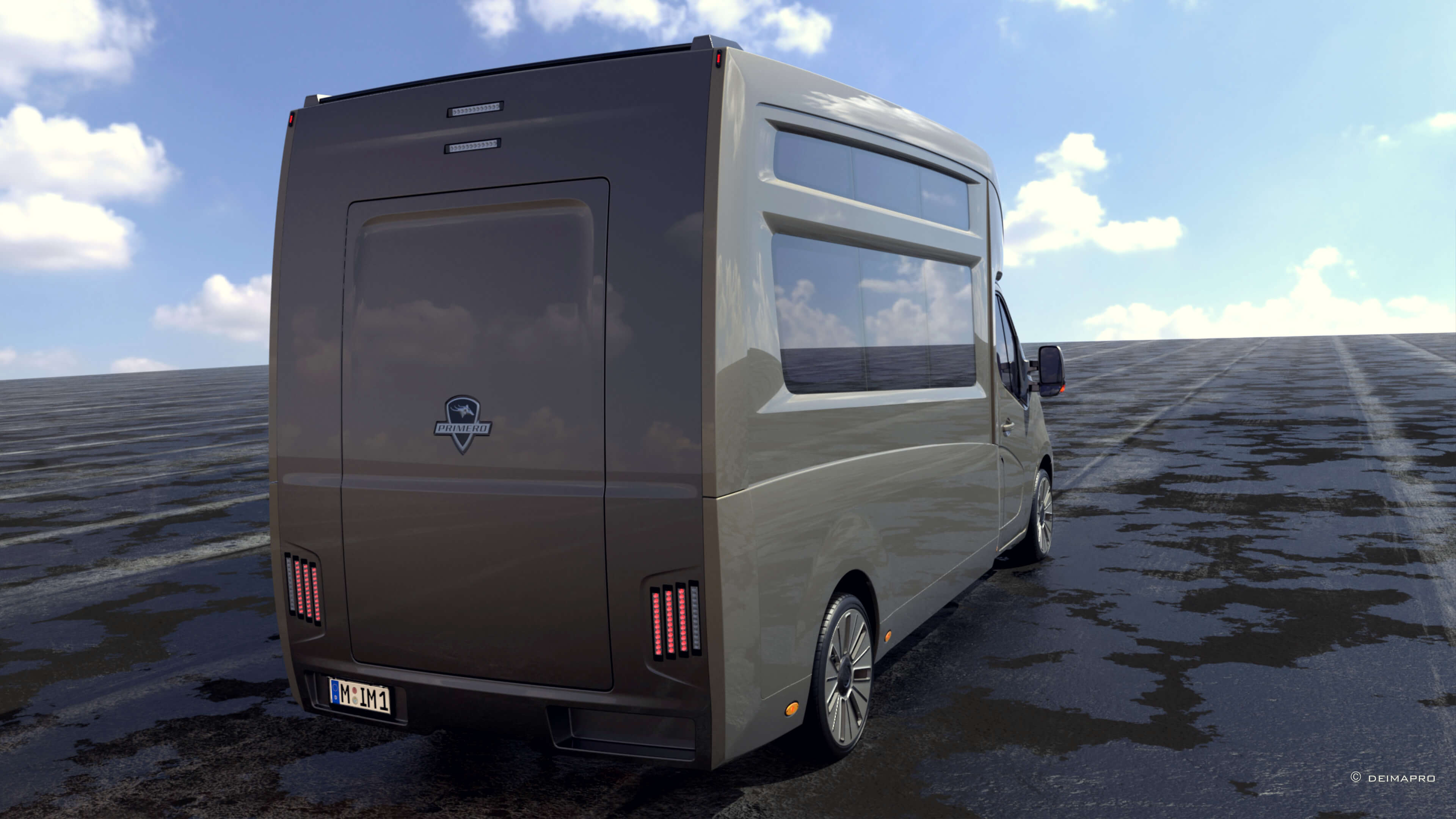
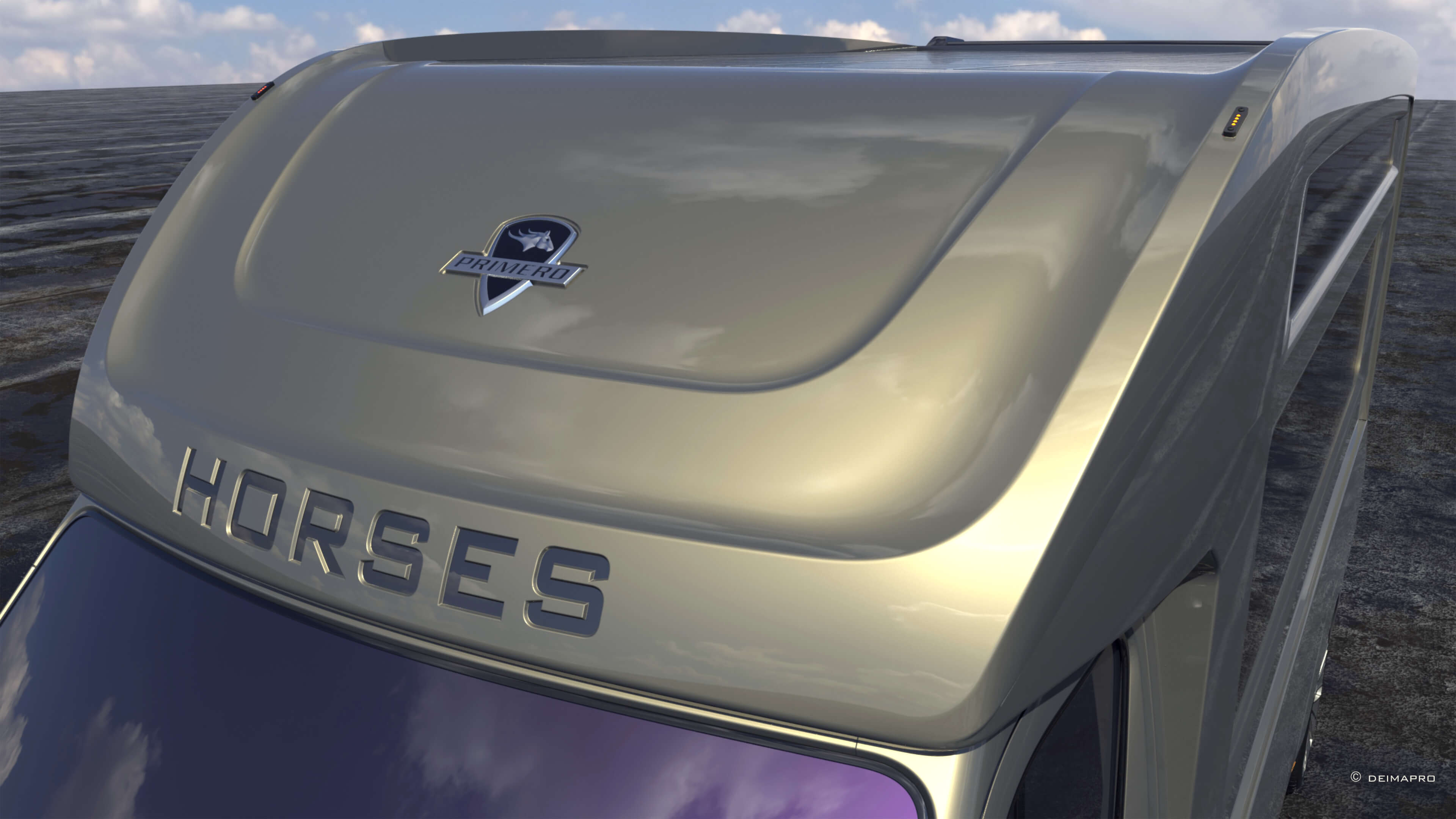
In order to be able to act quickly and purposefully in the design process, it is important to get a realistic picture of the work status at an early stage.
For this purpose, photorealistic representation of CAD data is used.